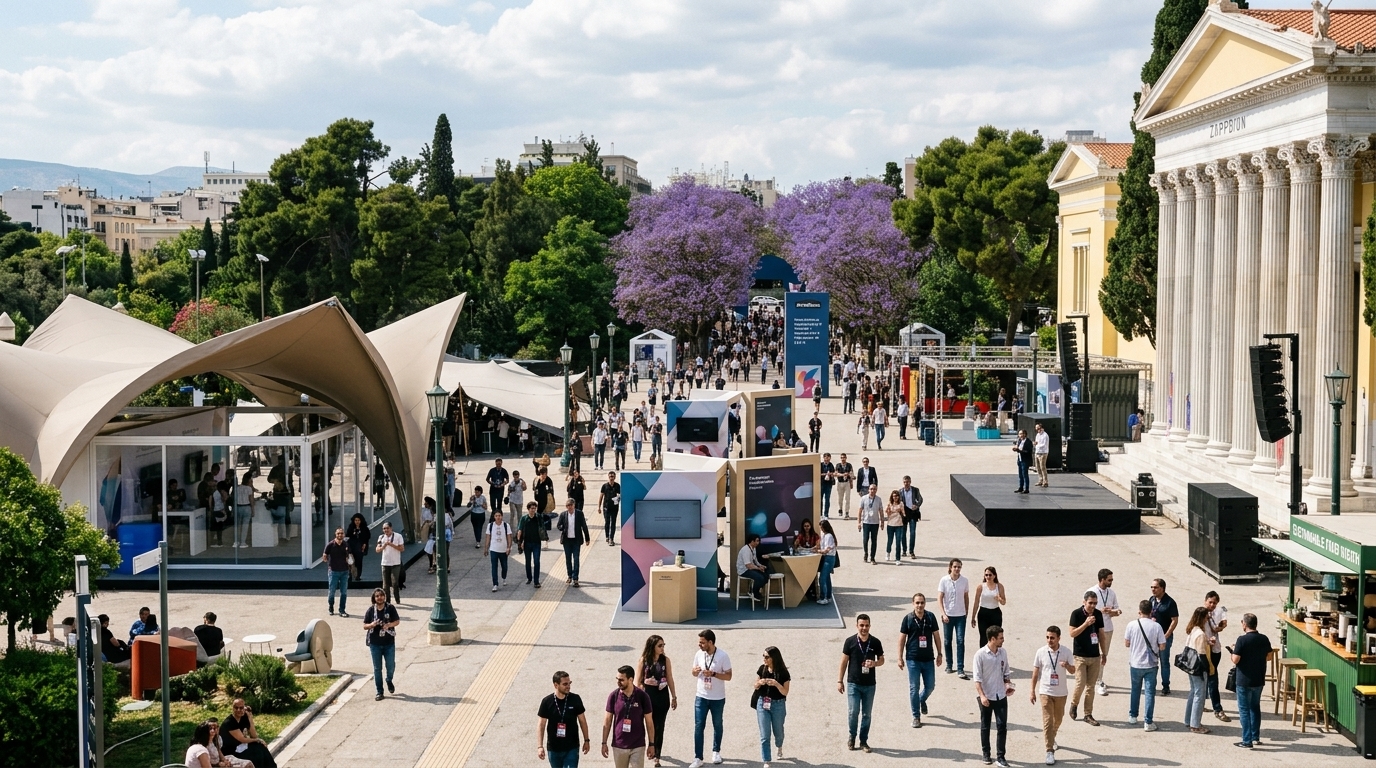
In June 2026, Athens no longer feels like just the cradle of Western civilization, but the laboratory of its future. Panathēnea 2026, the ambitious event that concluded a few days ago, succeeded in gathering the global tech elite—from Silicon Valley CEOs to European Commissioners and founders of disruptive startups from the Middle East and Asia. What began as an effort to highlight the Greek ecosystem has evolved into a critical platform for dialogue on Artificial Intelligence, the green transition, and the new geopolitics of technology.
AI at the Forefront of the Athenian Agora
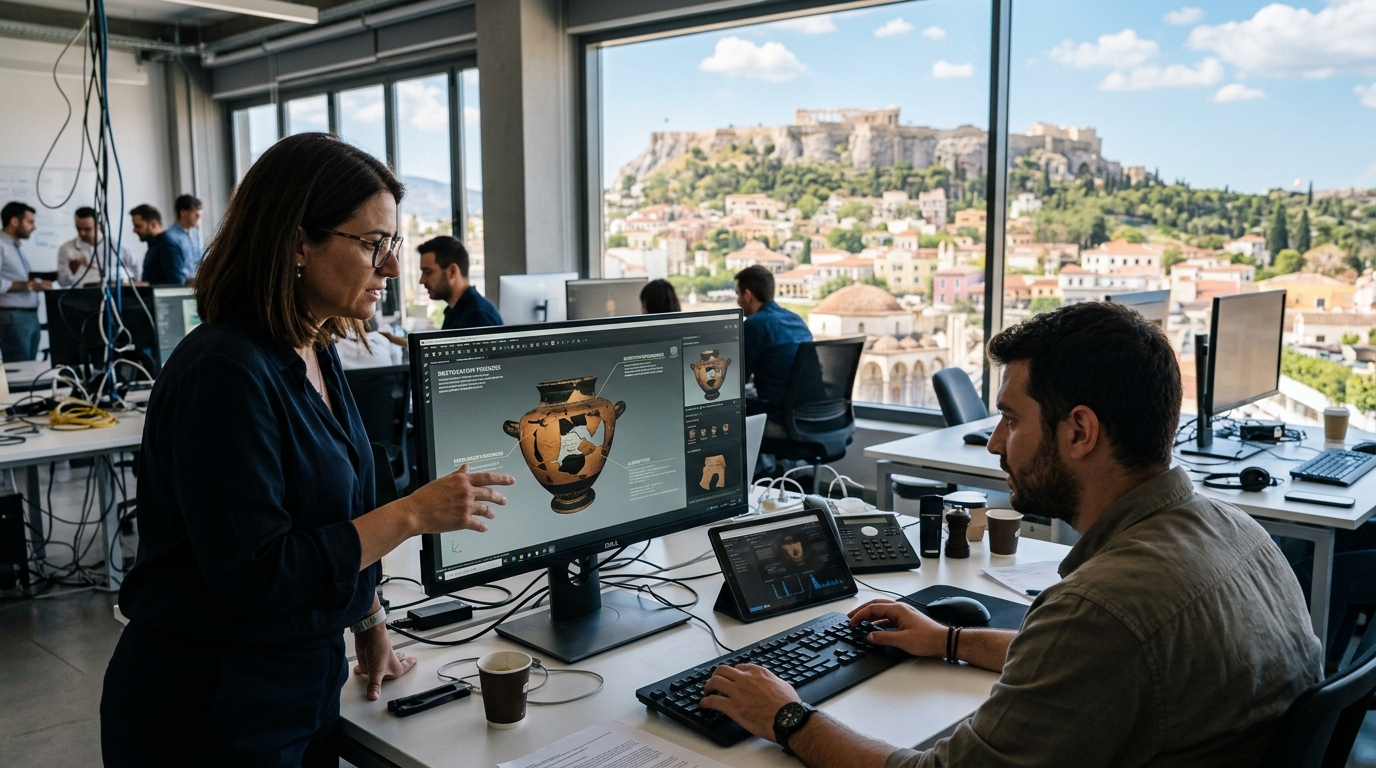
The themes of Panathēnea 2026 were undoubtedly dominated by the evolution of Artificial Intelligence (AI). However, unlike the technocratic conferences of previous years, the agenda in Athens had a deeply human-centric character. Discussions were not limited to computing power or large language models but expanded into the "Ethics of Intelligence." Against the iconic backdrop of the Acropolis, leading scientists analyzed how Europe can lead in the field of AI Governance, using the EU regulatory framework as an advantage rather than a hurdle.
Special emphasis was placed on "Generative AI for the Public Good." Applications were presented regarding climate crisis management in the Mediterranean, forest fire prediction via satellite data, and the digitization of cultural heritage in ways that seemed like science fiction just a year ago. Athens proved that it can be the meeting point where technology meets classical philosophy, offering answers to the existential questions posed by automation.
The Greek Ecosystem and Global Connectivity
For Greece, Panathēnea 2026 served as the ultimate crash test for the domestic innovation ecosystem. The participation of Greek startups was the largest in history, with many announcing strategic partnerships with international giants. The concept of "Brain Gain" took physical form as hundreds of Greeks from abroad returned home not just to attend the conference, but to explore moving their operations to Greek soil.
- Capital Attraction: Investments exceeding 500 million euros in Greek Deep Tech companies were announced.
- Data Hub: The confirmation of new Data Centers in Attica and Northern Greece reinforces the country's role as a telecommunications hub.
- Education: Memoranda of Understanding were signed between Greek universities and leading tech institutes (MIT, Stanford) for joint AI research programs.
"Athens is no longer just a tourist destination. It is a destination for knowledge capital," stated one of the keynote speakers, highlighting the shift in the country's economic model.
Digital Sovereignty and the Mediterranean Corridor
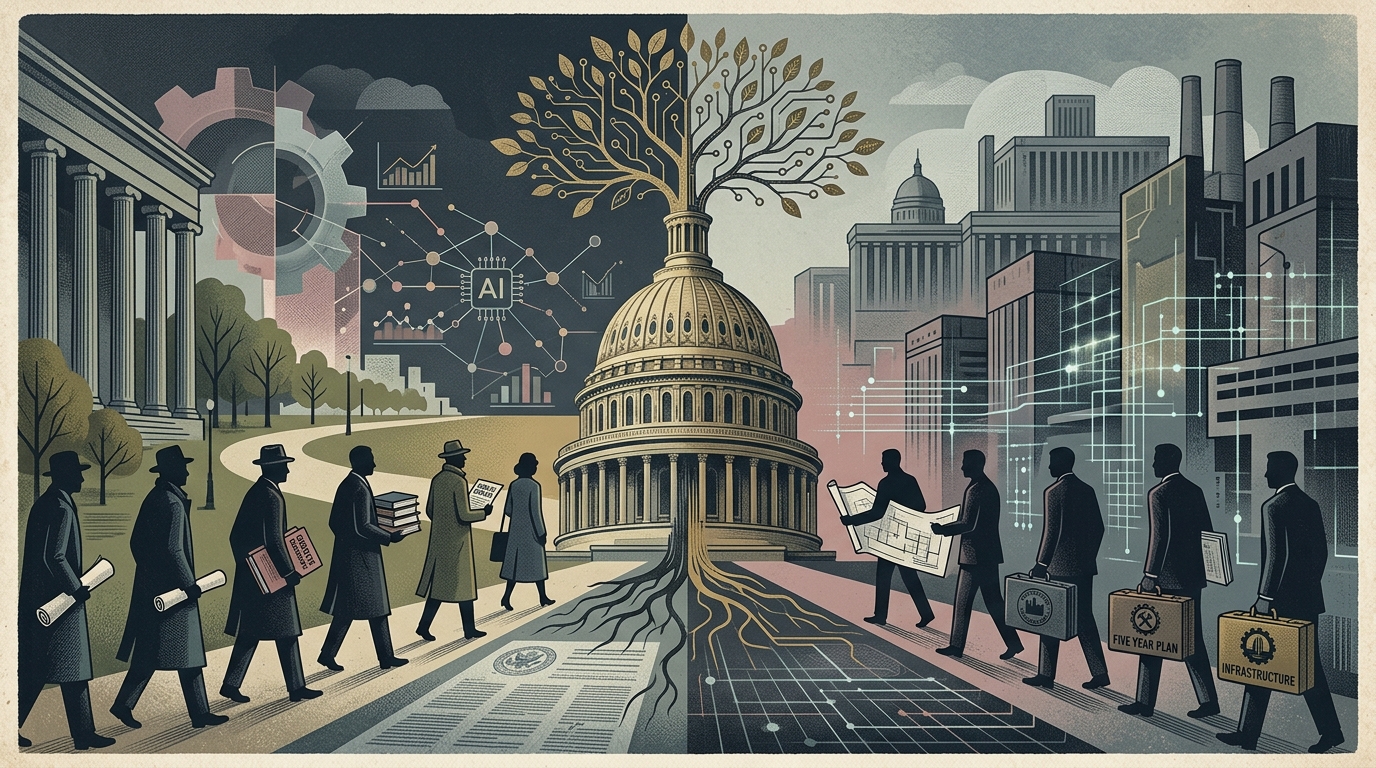
One of the most interesting aspects of Panathēnea was the discussion on Europe’s "Digital Sovereignty." In a world divided between US and Chinese technological standards, Athens proposed a third way: that of open, transparent, and ethical technology. Greece's geographical position makes it a natural bridge to the Middle East and Africa, regions seeking reliable partners for their digital transformation.
The "Mediterranean Innovation Corridor" proposed during the sessions aims to create a cooperation network among regional states for cybersecurity and the development of shared cloud infrastructures. This initiative upgrades the geopolitical importance of Athens, turning it into a digital frontier and a gateway for Europe simultaneously.
The Future of Work and Social Cohesion
Finally, Panathēnea 2026 did not shy away from difficult conversations about the future of work. With AI taking over more tasks, the question of reskilling was urgent. Lifelong learning models using personalized AI mentors were presented, while the need for a new social contract to protect workers in the age of the algorithmic economy was emphasized.
In conclusion, Panathēnea 2026 was not just a successful PR event. It was proof that Greece can produce high-level thought and innovation. The challenge now is to maintain this momentum so that Athens is not a temporary host, but a permanent protagonist in the developments shaping the 21st century.