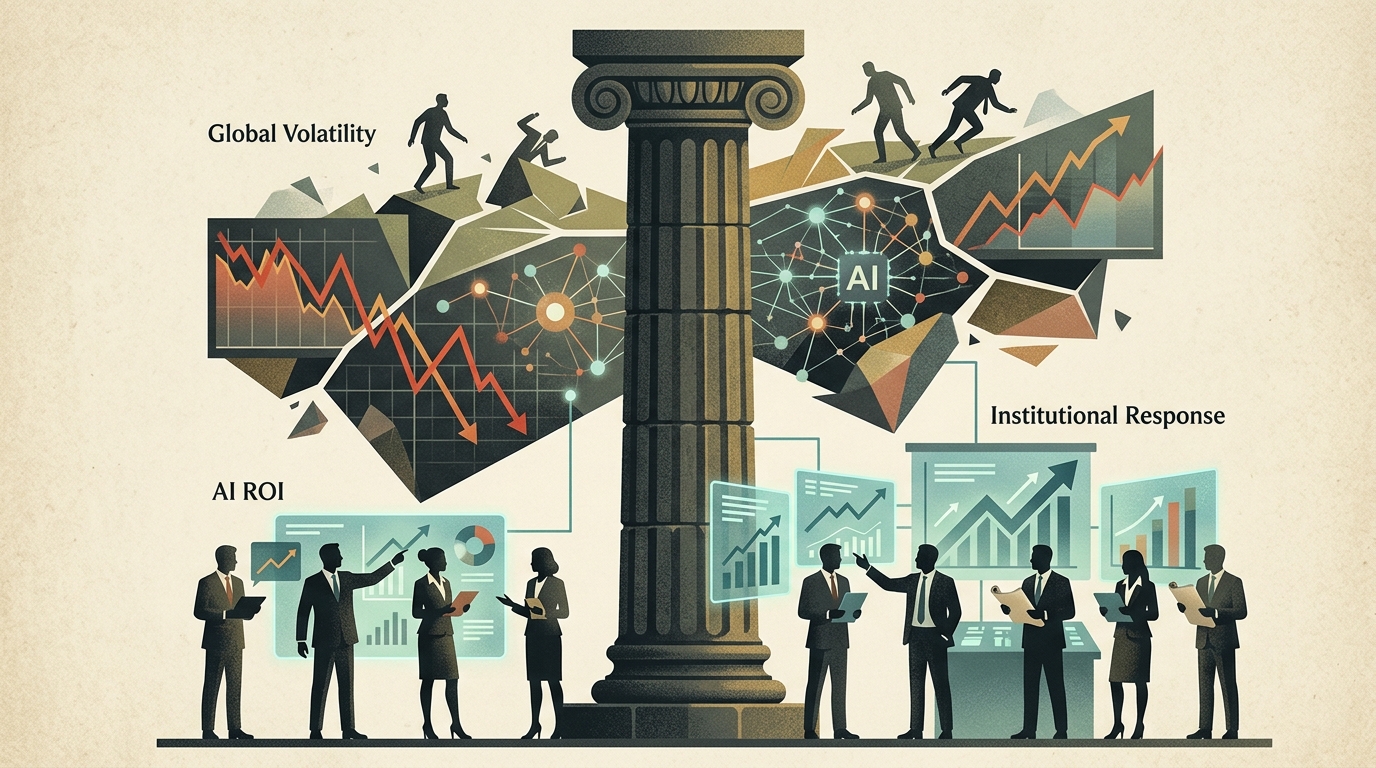
In an era where cyber threats are evolving at a geometric pace, Odyssey Cybersecurity—a leading provider of information security solutions in the Mediterranean and Southeast Europe—is highlighting the urgent need for a radical overhaul of Security Operations (SOC). The advent of Artificial Intelligence (AI) is no longer a future promise; it is the current reality determining who will prevail in the digital landscape: the defender or the attacker.
The Shift from Reactive to Predictive Defense
Traditionally, Security Operations Centers operated on a reactive basis. Analysts monitored hundreds of thousands of alerts daily, attempting to find the "signal" amidst the "noise." This model has reached its breaking point. Odyssey points out that the sheer volume of data generated by modern corporate networks is impossible for humans to manage without the support of advanced algorithms.
Integrating AI allows SOCs to transition toward a proactive and predictive security model. Through Machine Learning (ML), systems can now identify anomalies in user or network behavior that would elude traditional rule-based systems. This automated detection capability drastically reduces the Mean Time to Detect (MTTD), which in the past could span weeks or even months.
Automation as a Solution to the Talent Gap
One of the most significant challenges facing the cybersecurity industry globally, and specifically in Greece, is the shortage of skilled professionals. Odyssey emphasizes that AI acts as a "force multiplier" for existing security teams. By automating Tier 1 tasks—such as initial incident triage and data collection—analysts can focus on more complex activities like threat hunting and strategic fortification.
- Automated real-time response via SOAR (Security Orchestration, Automation, and Response).
- Significant reduction in false positives.
- Dynamic adjustment of security policies based on real-time risk levels.
However, Odyssey warns that technology alone is not a panacea. The "New Reality" requires a hybrid approach where human judgment and ethical reasoning guide the speed and computational power of the machine. Training personnel to use these new tools is just as critical as the deployment of the systems themselves.
The Dark Side: AI in the Hands of Attackers
It is not just the defenders leveraging AI. Odyssey highlights a concerning trend: the use of Generative AI by cybercriminals to create highly convincing phishing campaigns, automated polymorphic malware, and sophisticated social engineering attacks using Deepfakes. This "arms race" means that companies clinging to obsolete security methods are effectively defenseless.
"Cybersecurity is no longer an IT issue; it is a matter of business survival and operational resilience," Odyssey executives state.
In the context of European directives like NIS2, the adoption of advanced monitoring and response technologies is becoming mandatory for a wide range of critical infrastructures and enterprises. Odyssey, through its ClearSkies platform and managed services, aims to bridge the gap between current business states and the demands of this new digital epoch.
Conclusions for the Future
The new reality of Security Operations, as described by Odyssey Cybersecurity, is characterized by the need for continuous adaptation. Organizations must invest in solutions that integrate AI not as an add-on feature, but as the core of their architecture. A company's ability to recover quickly from an attack (Cyber Resilience) now directly depends on how effectively it can orchestrate technology, processes, and human talent under the AI umbrella.