The Greek food and beverage (F&B) industry, the traditional backbone of domestic manufacturing, is undergoing a phase of radical transformation. This is not merely an attempt to survive consecutive crises—energy, inflationary, and geopolitical—but a strategic 'restart' based on a triple pillar: digital transformation, automation, and sustainability. With investments reaching hundreds of millions of euros, the sector aspires to evolve from an introverted industry into a high-tech global player.
The Investment Spring and Industry 4.0
The numbers speak for themselves. Major Greek enterprises, ranging from dairy and soft drinks to bakery and snacks, are implementing massive investment programs. The transition to 'Industry 4.0' is no longer an option but a necessity. New factories currently being designed or launched integrate cutting-edge technologies that, a decade ago, would have seemed like science fiction for the Greek market.
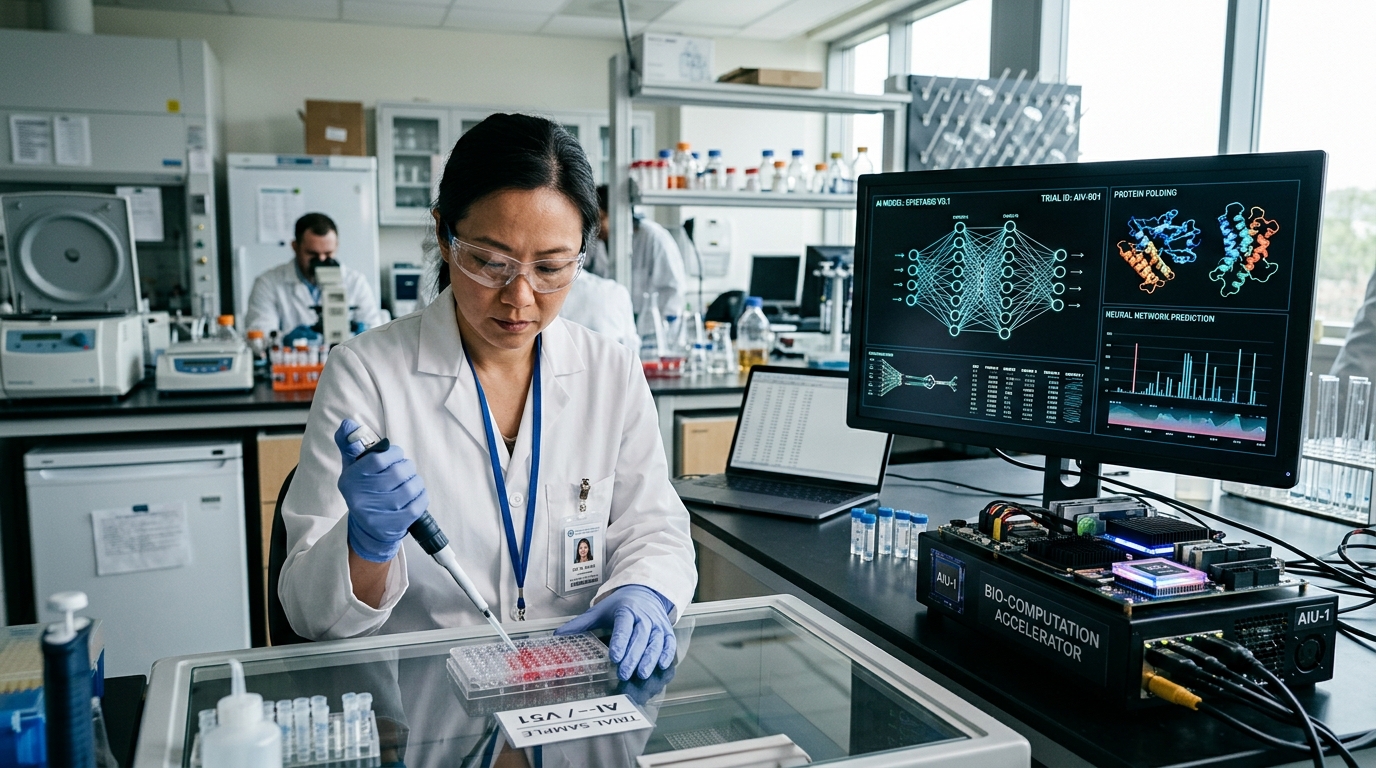
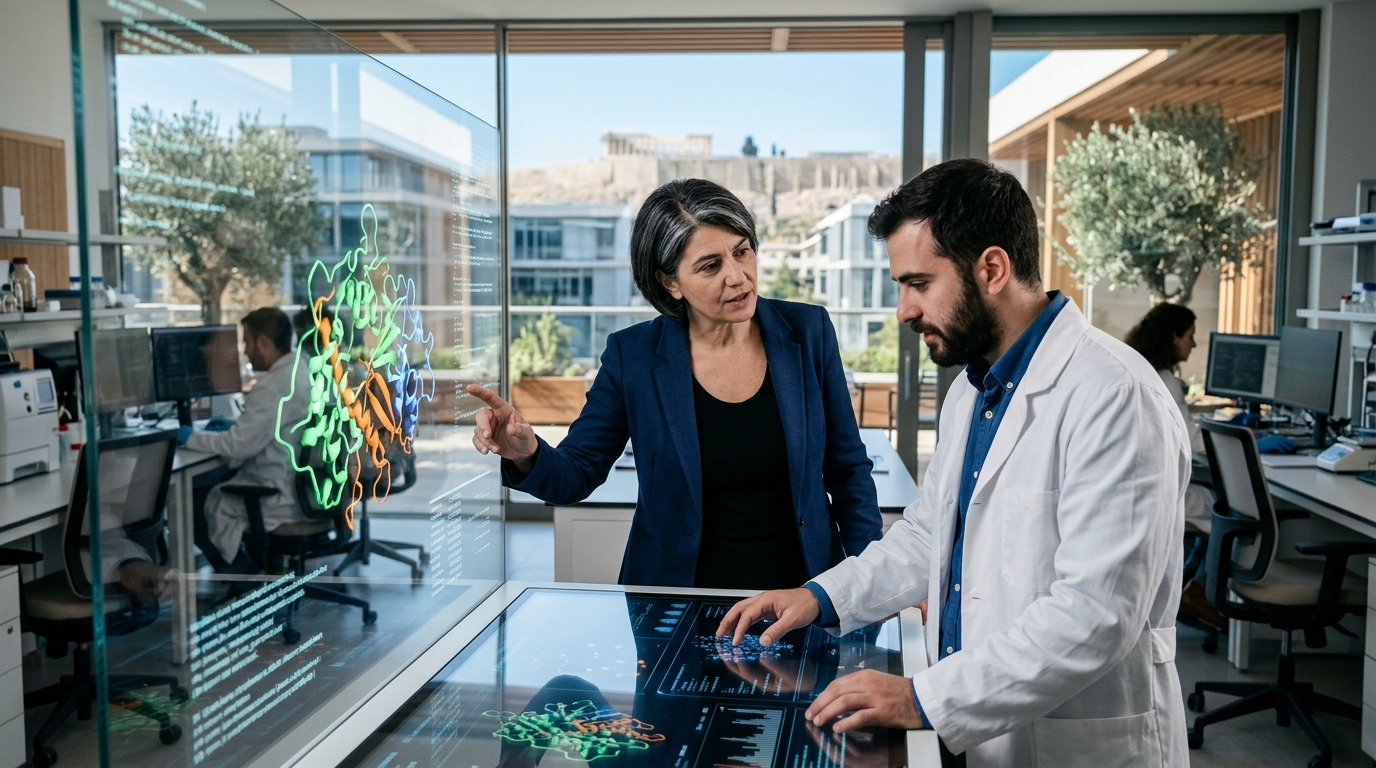
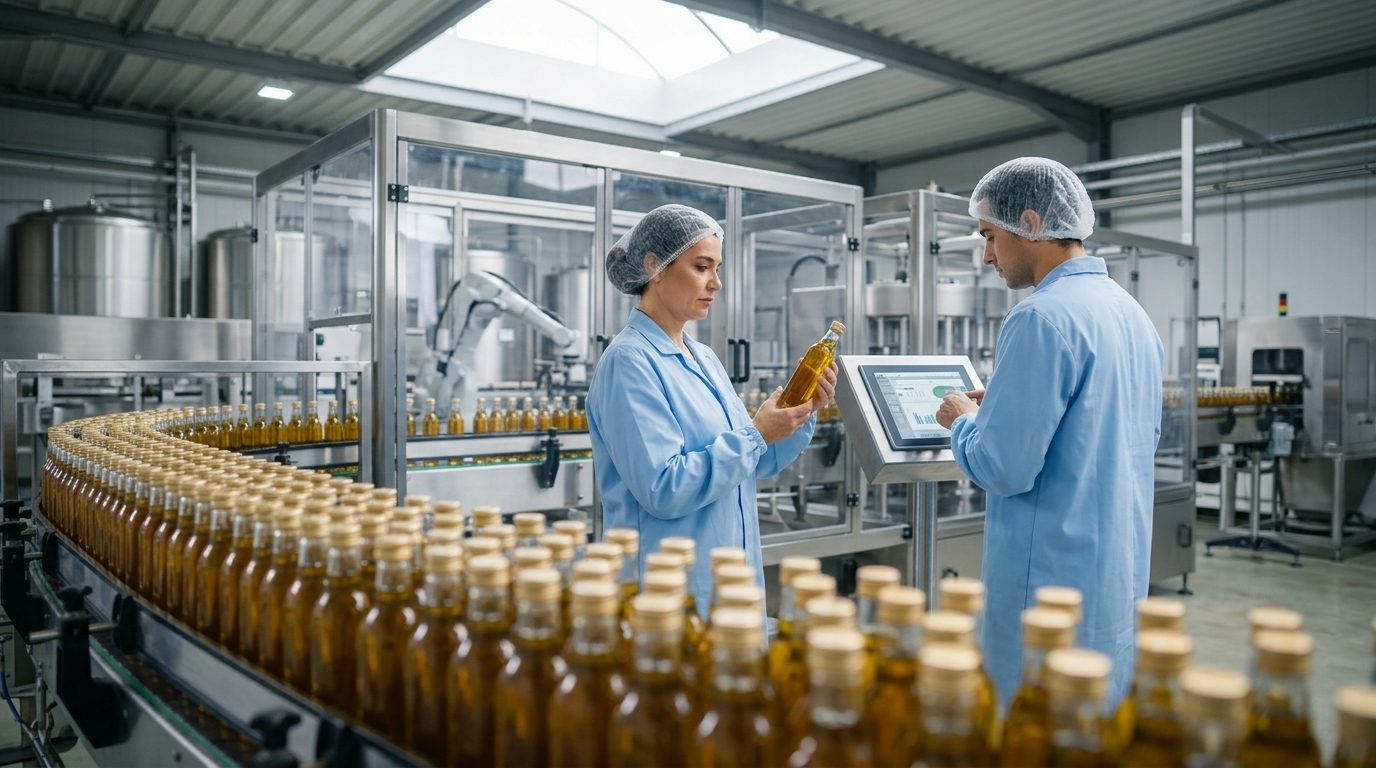
The use of robotic systems in production and packaging lines has increased dramatically. These systems offer not only speed but, more importantly, precision and error reduction, translating into immediate resource savings. Artificial Intelligence (AI) is now dynamically entering predictive maintenance, allowing industries to foresee equipment failures before they occur, effectively eliminating downtime. Furthermore, Big Data analysis helps optimize the supply chain, from raw material procurement to the supermarket shelf.
Sustainability: The New Export 'Passport'
If automation is the engine of growth, sustainability is its fuel. Modern production units in Greece are investing in technologies that drastically reduce their environmental footprint. The installation of photovoltaic systems (net-metering), the use of biomass, and the implementation of circular economy systems for waste management are now the norm for major players.
"Sustainability is no longer a marketing tool, but a prerequisite for accessing international distribution networks and financing tools," market executives state.
Reducing water consumption and adopting 'smart' packaging that is 100% recyclable or biodegradable are central objectives. This green transition not only serves the EU's 2030 targets but also enhances the competitiveness of Greek products in the demanding markets of Western Europe and North America, where consumers choose based on a product's ecological profile.
Challenges and Human Capital
However, the path to modernization is not without obstacles. Increased borrowing costs and volatility in energy prices remain significant risks. Additionally, the Greek industry faces a paradoxical crisis: a shortage of specialized personnel. While automation reduces the need for unskilled labor, it sharply increases the demand for automation technicians, data analysts, and engineers capable of managing digital systems.
The need for upskilling and reskilling the existing workforce is imperative. Companies are called upon to invest not only in machinery but also in their people, creating an environment of continuous learning. At the same time, collaboration with universities and research centers is being strengthened, aiming to create innovative products that respond to modern dietary trends, such as plant-based products and functional foods.
Conclusion: A New Era
The 'great restart' of the Greek F&B industry is in full swing. Armed with innovation and quality, the sector is attempting to overcome the structural problems of the past. If investments continue at this pace, Greece can hope for an industry that is not just the country's 'provider' but a technological pioneer in the wider Mediterranean region. The success of this endeavor will largely determine the resilience of the Greek economy as a whole in the years to come.