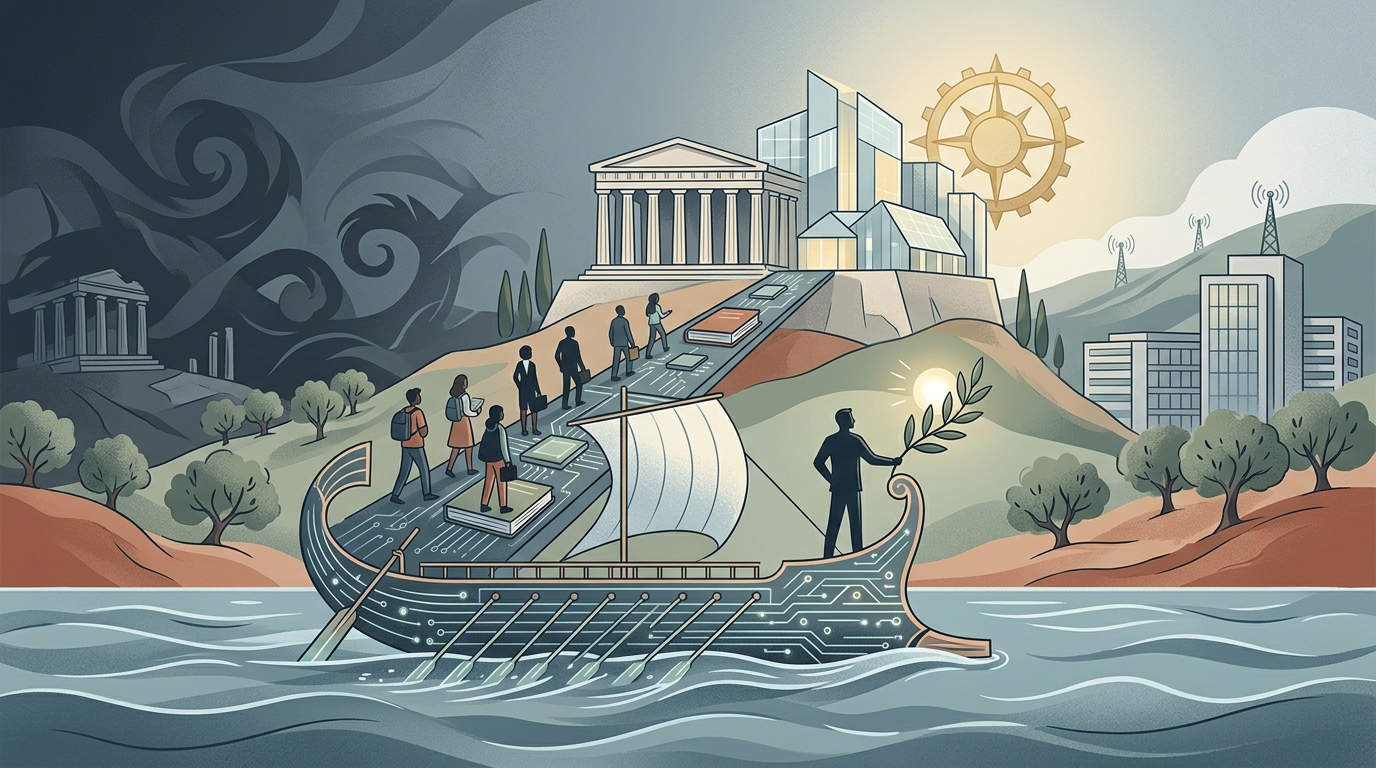
In an era where the pace of technological advancement often outstrips the ability of state structures to adapt, Kyriakos Pierrakakis remains one of the primary architects of Greece's effort to synchronize with the future. Speaking recently to Fortune Greece, the Minister of Education, Religious Affairs, and Sports used a powerful Homeric metaphor to describe the country's trajectory: "To reach Ithaca without living an Odyssey." This statement is not merely a clever turn of phrase but a profound political and social position on the need to avoid the unnecessary delays and structural regressions that characterized Greek public administration for decades.
The Digital Legacy as a Foundation for Reform
Pierrakakis, already credited with the success of gov.gr and the digitalization of the Greek state, is now attempting to transfer this culture of efficiency to the field of Education. His analysis focuses on the fact that technology is not an end in itself but the means to unleash human potential. According to him, Greece's "Ithaca" is a society where knowledge is accessible, opportunities are equal, and the state acts as an accelerator rather than a brake. However, the "Odyssey"—meaning the adventures, delays, and internal conflicts—is what the government is trying to minimize through targeted legislative interventions.
The transition from the Ministry of Digital Governance to Education marks a strategic choice: linking the digital age with the formation of the next generation. The minister emphasizes that Greece no longer has the luxury of wasting time on ideological battles of the past, especially regarding higher education and the establishment of non-state universities. This reform, according to Mr. Pierrakakis, is essential to stop the "brain drain" of students moving abroad and to establish Greece as an educational hub in Southeast Europe.
Artificial Intelligence and the New School
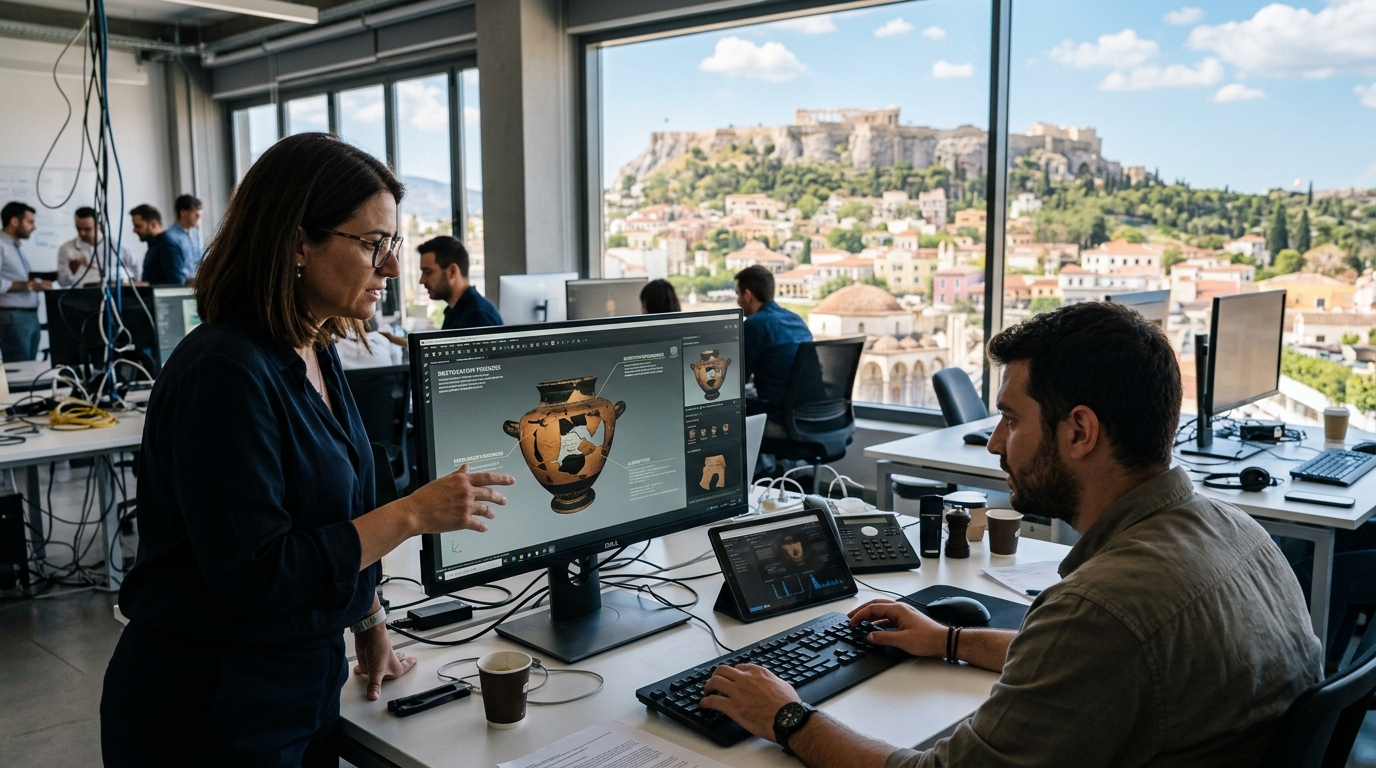
One of the most interesting aspects of Pierrakakis's discourse is the integration of Artificial Intelligence (AI) into the educational process. We are no longer talking about simple computers in classrooms, but about personalized learning systems that can adapt to the needs of each student. The minister mentions that AI can function as a "digital assistant" for the teacher, allowing them to focus on children's critical thinking and creativity while leaving repetitive tasks to machines.
- Introduction of interactive whiteboards in every classroom.
- Digital tutoring for students in remote areas.
- Upgrading curricula with an emphasis on digital skills (coding, data literacy).
- Strengthening vocational education through links with the labor market.
These changes, however, face challenges. The "Odyssey" in this case is the resistance to change from traditional structures and the need for continuous teacher training. Mr. Pierrakakis argues that changing culture is harder than changing software, but it is the key to the sustainability of reforms.
The Dilemma: Continuity or Regression?
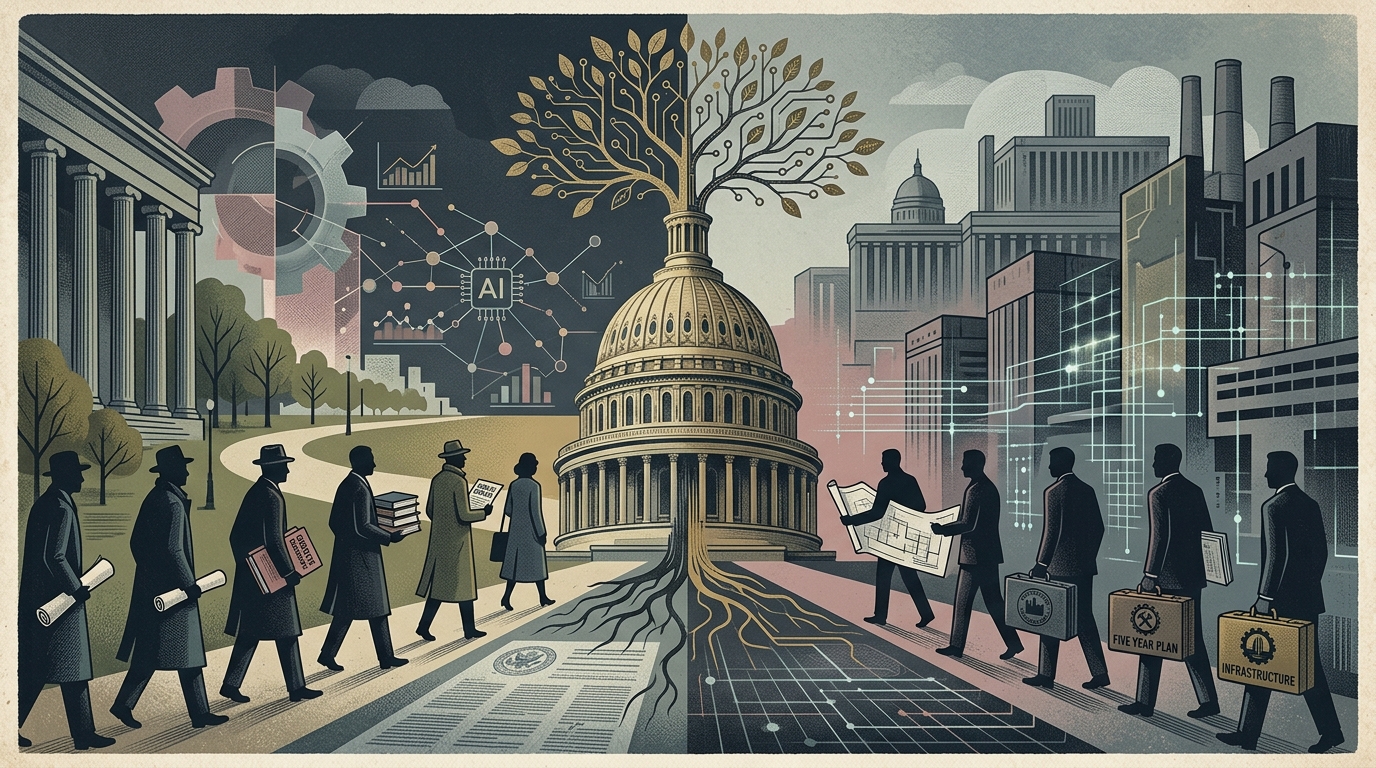
At the heart of the minister's political reasoning is the dilemma between a steady course toward modernization and a return to obsolete governance models. "Greece has a unique opportunity to cover the lost ground of decades within a few years," he notes. The use of Recovery Fund resources is the "fuel" for this journey, but proper navigation requires political will and social consensus.
"We cannot discuss 2026 in 1980 terms. The world around us is changing at exponential rates, and education must be the catalyst of this change, not the last bastion of stagnation."
Pierrakakis's analysis concludes that success is not judged solely by the numbers of digitized documents or new school buildings, but by whether the Greek citizen feels that the state respects them and provides the tools to compete globally. "Ithaca" is a destination of self-confidence and national dignity, which the country deserves to approach without having to wander for another decade in institutional deadlocks.