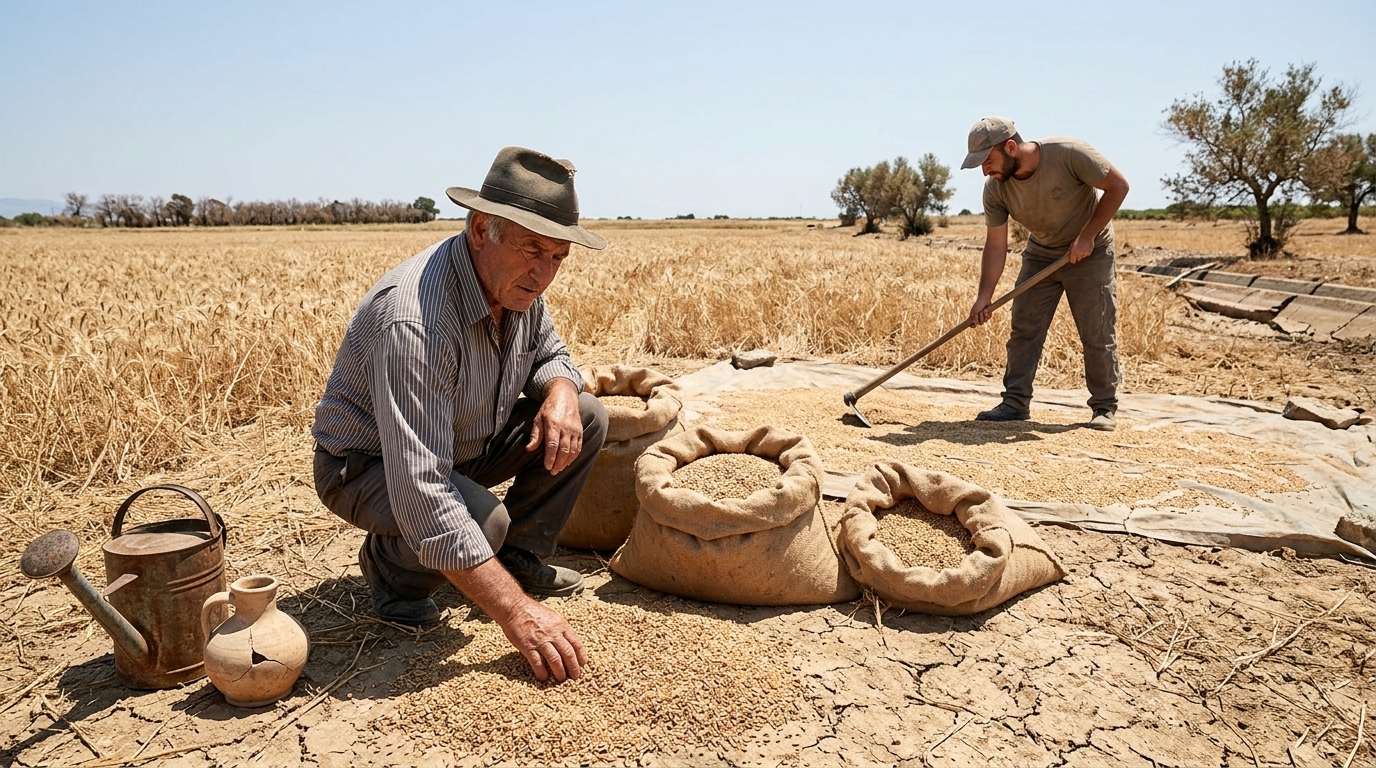
Global food security is once again walking a tightrope. As the planet experiences the consequences of a climate crisis that is no longer theoretical but deeply felt, commodity markets are watching with bated breath as wheat crops in the United States "burn" under a relentless sun. The drought gripping the US Great Plains is not merely a local weather event; it is the catalyst for a potential resurgence of global food inflation at a time when economies were just beginning to recover from the shocks of the pandemic and the war in Ukraine.
Climate Crisis on Our Plates: The Chronicle of Drought
The United States, one of the world's largest wheat exporters, is facing extreme water scarcity in critical states such as Kansas, Oklahoma, and Texas. Hard Red Winter wheat, the staple for bread flour worldwide, is in dire condition. According to recent data, a significant portion of the crop is rated as "poor" to "very poor." Farmers, unable to intervene, are watching their crops wither before they even reach the harvest stage.
This situation is not confined to America. From the drought in Russia—the world's largest exporter—to erratic rainfall in Europe and Australia, global grain reserves are at their lowest levels in years. The transition from El Niño to La Niña has upended traditional weather patterns, making crop forecasts exceptionally difficult. When supply drops dramatically in key producing regions, prices on the Chicago Board of Trade (CBOT) react instantaneously, dragging the entire food value chain along with them.
Geopolitical Instability and Food Sovereignty
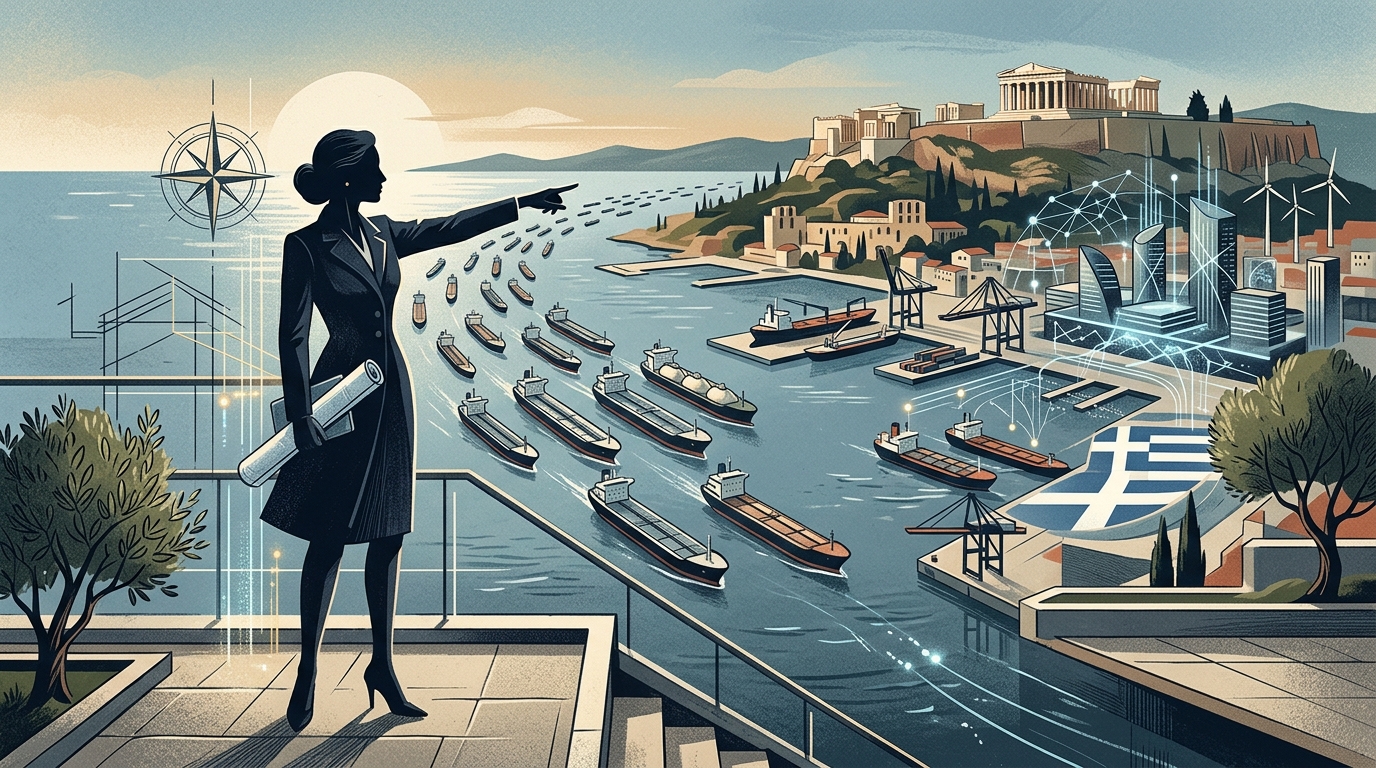
Beyond the weather, the geopolitical factor remains an open wound. The war in Ukraine continues to disrupt the smooth flow of grain from the Black Sea, while sanctions and export restrictions are increasingly being used as "weapons" on the global chessboard. The dependence of many countries, including Greece, on grain imports makes domestic markets vulnerable to external shocks. The rise in wheat prices doesn't just affect bread; it impacts livestock farming (via feed costs), the pasta industry, and ultimately, the consumer's disposable income.
"Agriculture is no longer just a matter of farming; it is a matter of national security. When wheat becomes scarce, social cohesion is at risk," market analysts warn.
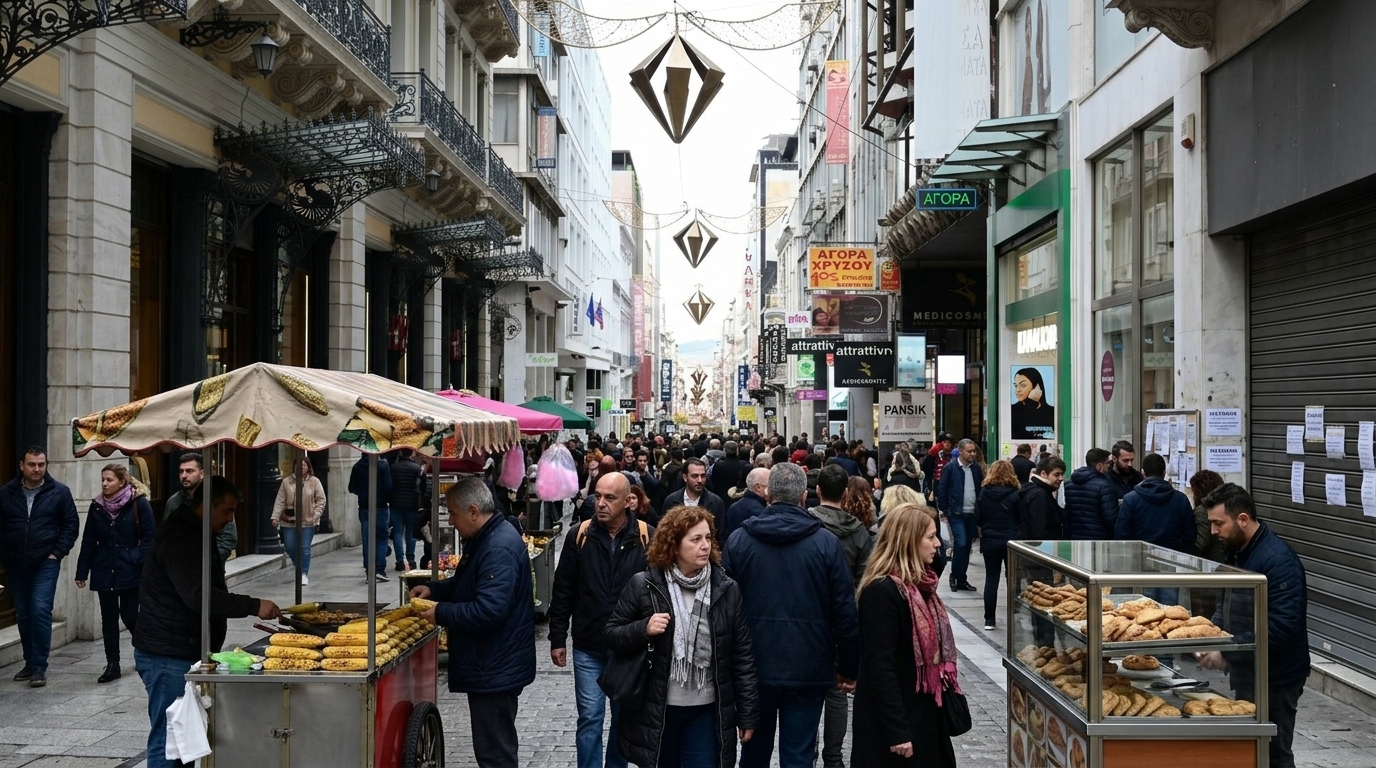
In Greece, concern is widespread among bakers and food industries. Despite the fact that the country produces significant quantities of durum wheat, international prices dictate production costs. If raw material costs continue to climb, price hikes on supermarket shelves will be inevitable, further squeezing households already hit by high energy and housing costs.
Economic Impact and the Risk of Reflation
Food inflation is perhaps the most "painful" type of inflation, as it disproportionately affects lower-income households. Central banks, such as the ECB and the Fed, are closely monitoring commodity prices. A new surge in wheat could stall the path toward interest rate cuts, as policymakers fear secondary effects on inflation expectations. The chain is simple yet devastating: expensive wheat leads to expensive flour, which leads to expensive bread and meat, driving demands for wage increases, which in turn fuel the inflationary cycle.
Seeking Solutions: Technology and Adaptation
The solution to the problem cannot simply be waiting for rain. The need for investment in drought-resistant seed varieties, improved irrigation systems, and the adoption of precision agriculture is now imperative. The European Union, through the Common Agricultural Policy (CAP), is called upon to support producers in the green transition while ensuring that food production remains economically viable. However, farmer protests across Europe indicate that the balance between environmental goals and productivity is extremely delicate.
In conclusion, the "scorched" harvest in the US is a warning shot for what lies ahead in a warming world. Food markets are no longer predictable, and volatility will be the new norm. Adapting to these new conditions requires international cooperation, innovation, and, above all, an honest admission that our food depends directly on the health of the ecosystem that produces it.