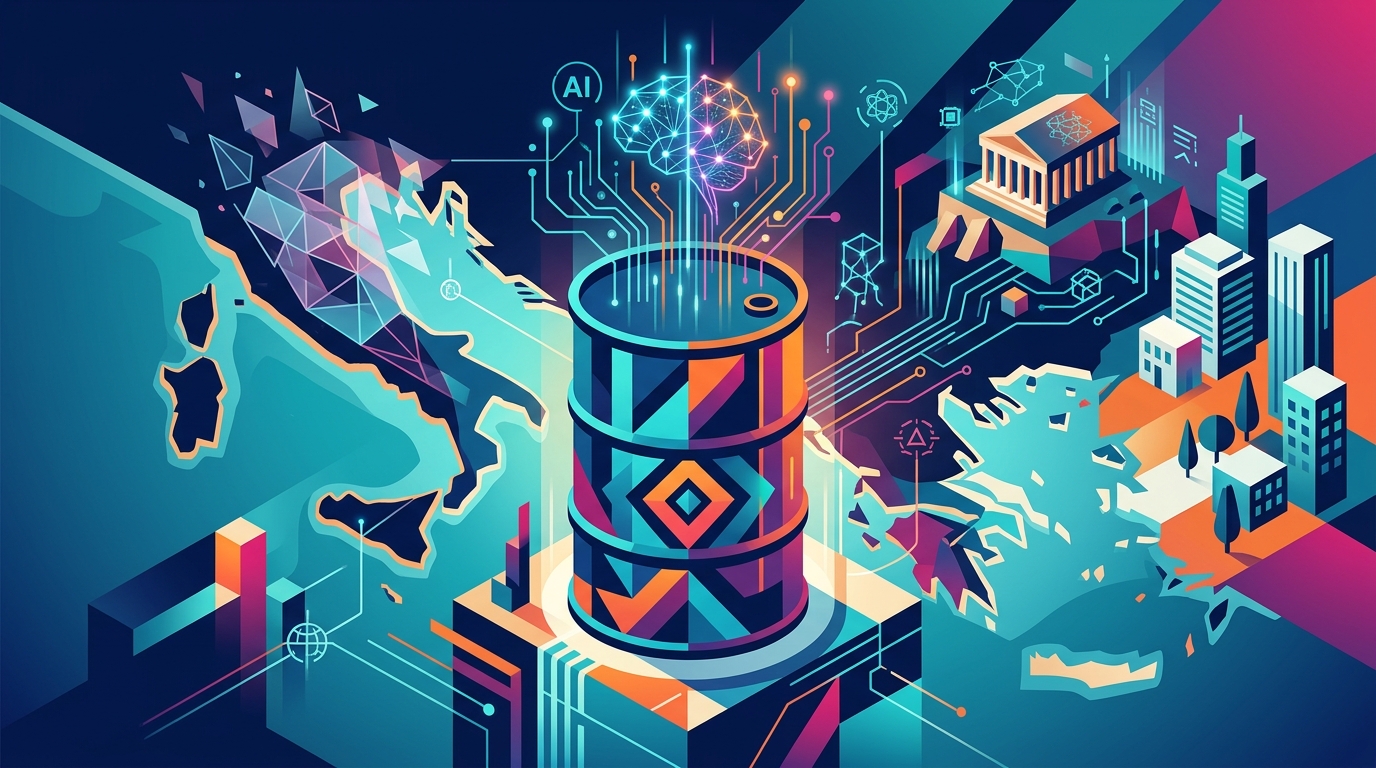
In an era where the energy crisis has shifted from a temporary shock to a permanent reality, EY’s latest research (Energy Consumer Confidence Index) illuminates a compelling paradox within the Greek market. Greek consumers, despite leading the charge in energy-saving efforts across Europe, feel increasingly alienated and skeptical of their providers. The study highlights Artificial Intelligence (AI) not merely as a technological novelty, but as the potential 'key' to restoring this broken relationship and effectively managing household costs.
The Greek Paradox: High Action, Low Satisfaction
According to EY’s findings, 70% of Greek consumers state they have made significant lifestyle changes to reduce energy consumption. This figure is notably higher than the global average, indicating high adaptability under price pressure. However, this effort is not met with a corresponding sense of reward. Consumers in Greece feel that providers are not adequately supporting them through this transition, with trust in energy companies remaining at historic lows.
The complexity of tariffs, ambiguities in billing, and the perception that energy costs are a factor beyond their control have created a climate of fatigue. The research shows that consumers are no longer just looking for lower prices, but primarily for transparency, predictability, and personalized solutions that fit their unique consumption profiles.
Artificial Intelligence as a Catalyst for Change
This is precisely where Artificial Intelligence enters the frame. EY’s research records a striking shift: 65% of respondents in Greece express interest in using AI solutions that could automate energy savings at home. Consumers seem ready to trust algorithms to optimize appliance usage, select the most cost-effective times for grid use, and predict future bills.
"AI is no longer a futuristic concept for the energy sector, but a necessary tool for the democratization of energy management," EY analysts note.
AI applications in energy can include:
- Predictive Analytics: Notifying the user before a bill exceeds a predefined threshold.
- Automated Demand Response: Systems that lower the intensity of air conditioning or heating when wholesale electricity prices are high.
- Personalized Advice: Instead of generic tips, AI can suggest specific changes based on a household's actual habits.
The Challenge for Providers: From Sellers to Consultants
For energy companies in Greece, EY’s findings serve as both a warning and a major opportunity. The traditional model of selling kilowatt-hours is reaching its limits. The providers that will survive in the new digital world are those that transform into 'energy partners' for their customers. This requires investment in digital infrastructure and, more importantly, a cultural shift toward customer-centricity.
The adoption of AI by providers can help reduce their own operational costs, which in turn could lead to more competitive pricing. However, ethical issues such as data privacy and ensuring that technology does not exclude the most vulnerable social groups (the digital divide) remain critical questions that must be addressed.
Conclusion: Toward a Smart and Fair Energy Future
The Greek energy market stands at a critical crossroads. Cost pressures have made consumers more conscious than ever, but also more demanding. Artificial Intelligence offers the potential to bridge the gap between the need for savings and the complexity of the system. If providers manage to leverage technology to offer real value and transparency, then mistrust can give way to a new era of cooperation. The challenge for Greece in 2026 is to ensure that AI does not remain a promise on paper but becomes a tool that genuinely lightens the financial burden on the average citizen.