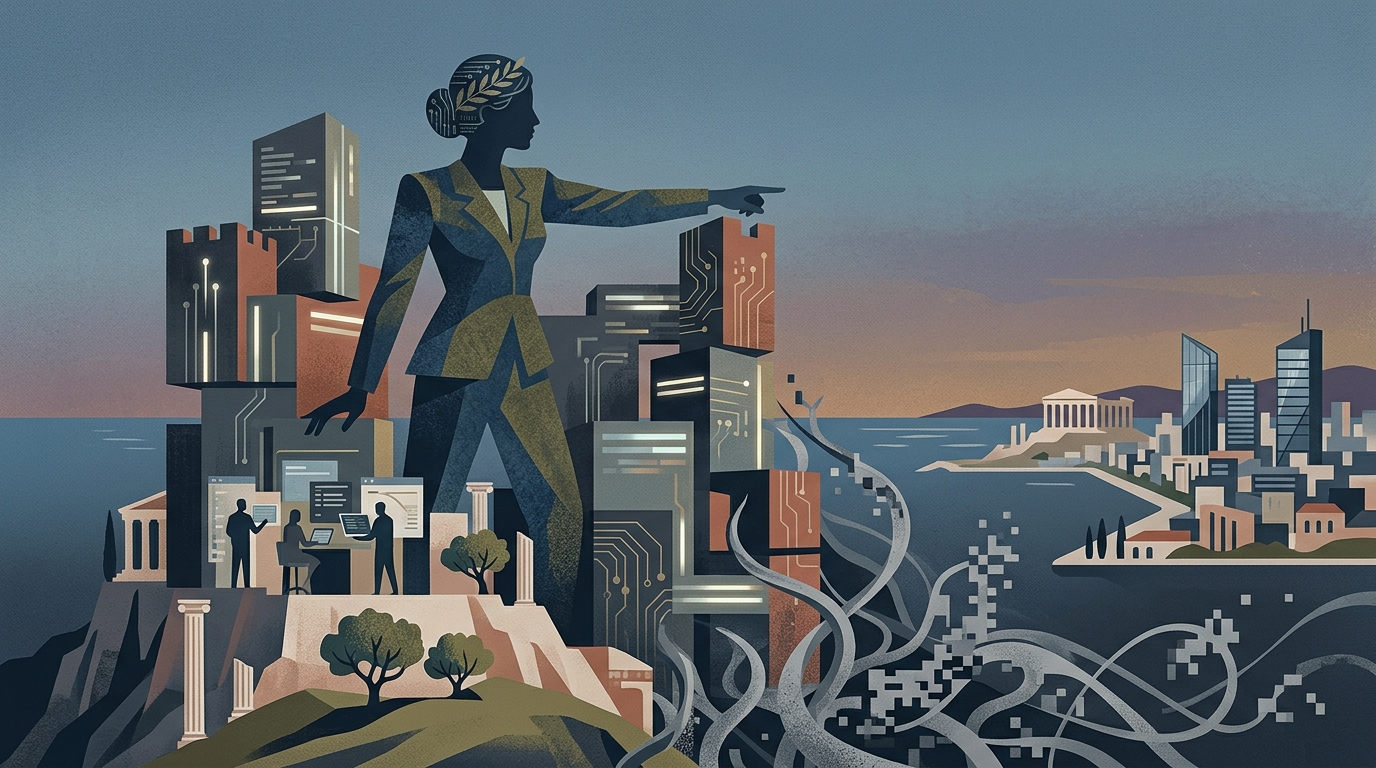
Cate Blanchett, one of the most influential figures in global cinema, is no longer confining her impact to the silver screen. Today, June 24, 2026, the actress stands at the forefront of a technological and legal revolution. With the launch of her new protection platform against the unregulated use of Artificial Intelligence (AI), Blanchett is sending a clear message to Silicon Valley: human creativity and digital identity are not for sale without consent.
The Platform and the Need for Digital Self-Determination
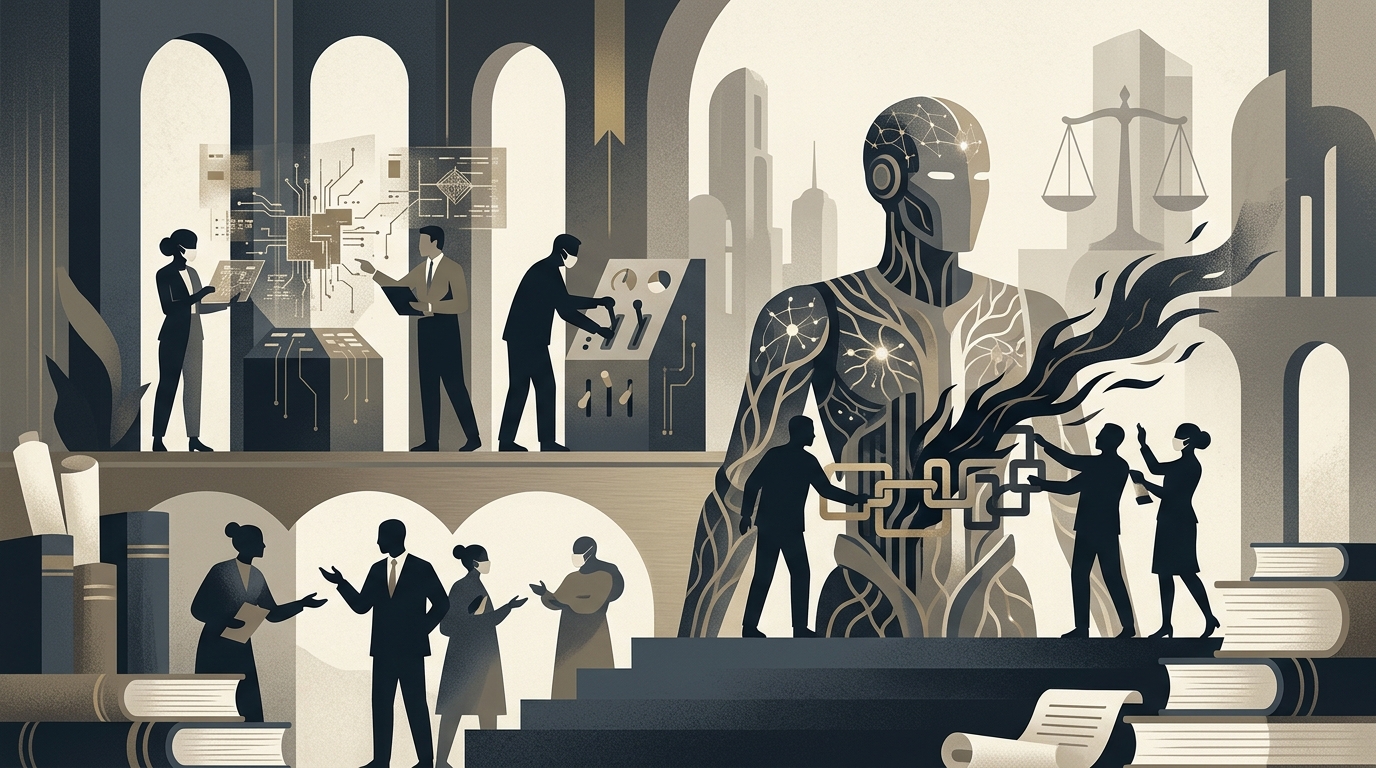
Blanchett’s initiative arrives at a critical juncture. Generative AI tools have reached levels of photorealism that make it nearly impossible to distinguish reality from digital falsehoods. The new platform functions as a "digital fortress," allowing artists to register and protect their digital footprint—from their voice and face to their unique performance style—using blockchain technology and advanced watermarking.
According to Blanchett, the platform does not aim to ban technology but to control its use. "We are not against evolution," she stated at a recent summit. "We are against exploitation. AI can be a tool, but it must not become the thief of the human essence." This move is backed by a broad coalition of actors, musicians, and writers who see their rights being infringed upon by models trained on their work without compensation.
The Legal Vacuum and European Leadership
While the United States is still struggling to establish federal laws regarding deepfakes and Right of Publicity, the European Union, through the AI Act, has created a more robust framework. Blanchett’s platform seeks to bridge this gap, offering a global standard of protection that transcends national borders.
- Real-time certification of content authenticity.
- Legal support for victims of digital identity theft.
- Transparent licensing systems for AI use in film productions.
- Tracking tools for unauthorized content on social media platforms.
The significance of this effort is immense for creators worldwide. Protecting intellectual property in the age of AI isn't just about Hollywood stars; it’s about every independent creator who sees their work being "swallowed" by algorithms. The platform provides the infrastructure for creators to demand a seat at the table when their data is used.
The Ethical Dimension: What Does It Mean to Be an Artist?
Beyond legal and economic issues, Blanchett raises a deeply philosophical question: What is the value of human imperfection in a world of digital perfection? The platform promotes the idea that art is an act of empathy and connection—something that AI, no matter how advanced, cannot authentically replicate. The use of AI to "resurrect" deceased actors or produce films without human participation threatens to alienate audiences from the artistic experience.
"Art is the mirror of the human experience. If that mirror is constructed by a code that hasn't lived, hasn't suffered, and hasn't loved, then what exactly are we looking at?"
This initiative marks a milestone for 2026. It demonstrates that technology can be harnessed to protect human rights rather than undermine them. Cate Blanchett, with her prestige and determination, has successfully turned a technical debate into a global movement for the dignity of creation.