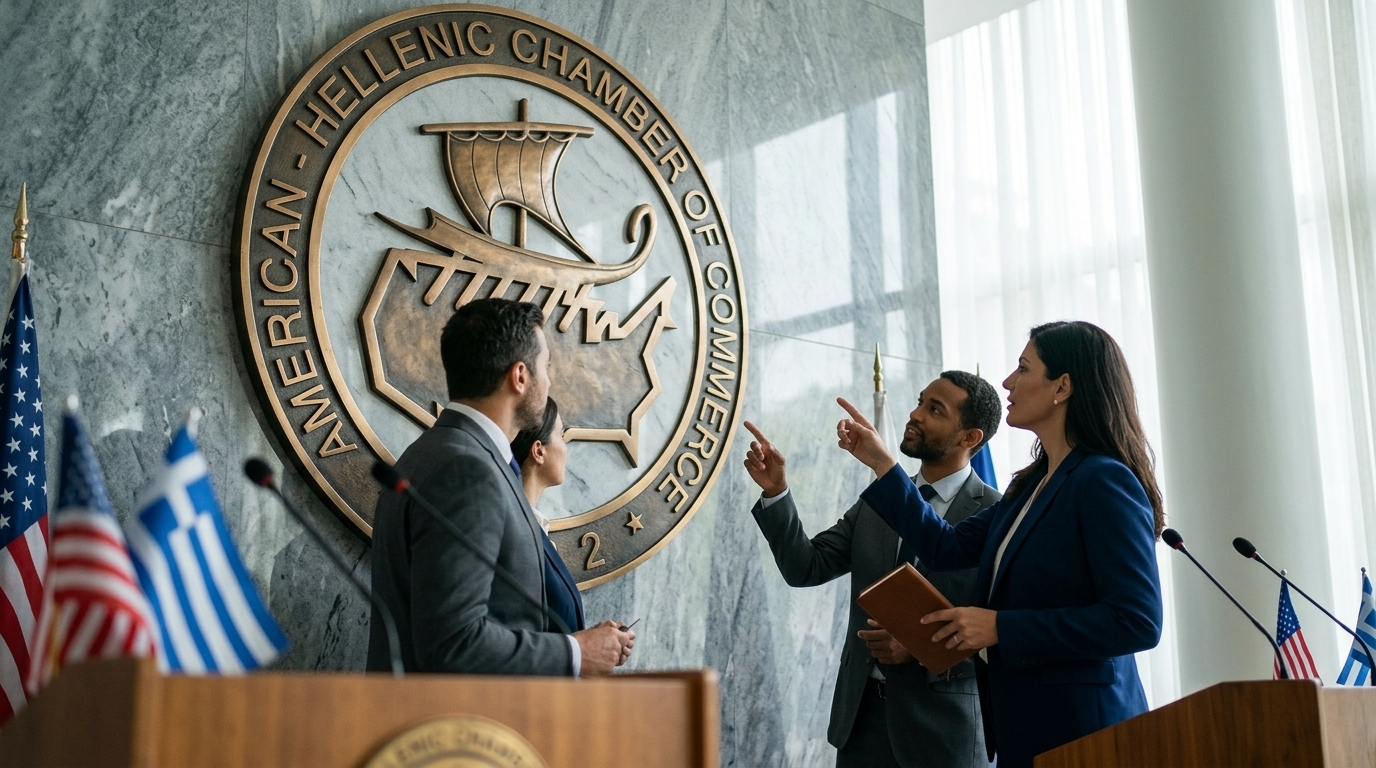
July 4th is no longer merely a national holiday for the United States; it has become an annual benchmark for assessing the strategic relationship between Athens and Washington. The message from the American-Hellenic Chamber of Commerce (AmCham) for 2026 highlights something deeper than standard diplomatic courtesy: the complete transformation of bilateral cooperation from a 'security provider and recipient' dynamic into a peer-to-peer partnership in technology, energy, and innovation.
Historical Continuity and the New Narrative
The connection between the two nations is rooted in shared democratic values dating back to the 18th and 19th centuries. As the Chamber points out, the 1776 Declaration of Independence and the 1821 Greek Revolution are communicating vessels of political thought. However, 2026 finds Greece in a role that transcends historical memory. The country has become the primary pillar of stability in the Eastern Mediterranean and the Balkans, serving as the gateway for American interests into Southeastern Europe.
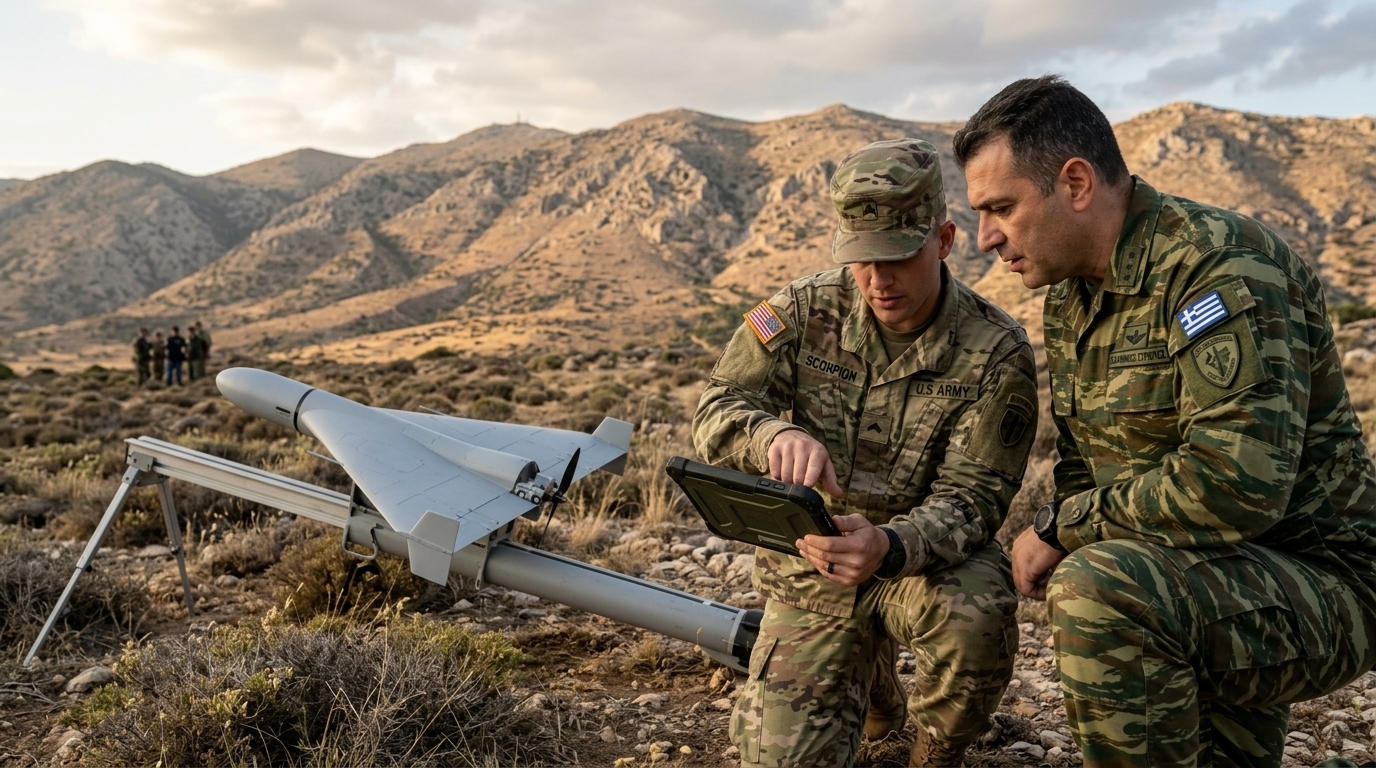
AmCham emphasizes that freedom and democracy are not static concepts but require constant economic fortification. In this context, the strategic relationship has expanded beyond defense cooperation via the upgraded MDCA (Mutual Defense Cooperation Agreement), now accompanied by an unprecedented flow of Foreign Direct Investment (FDI) from the US to Greece.
Economy and Tech: The New Defense Line
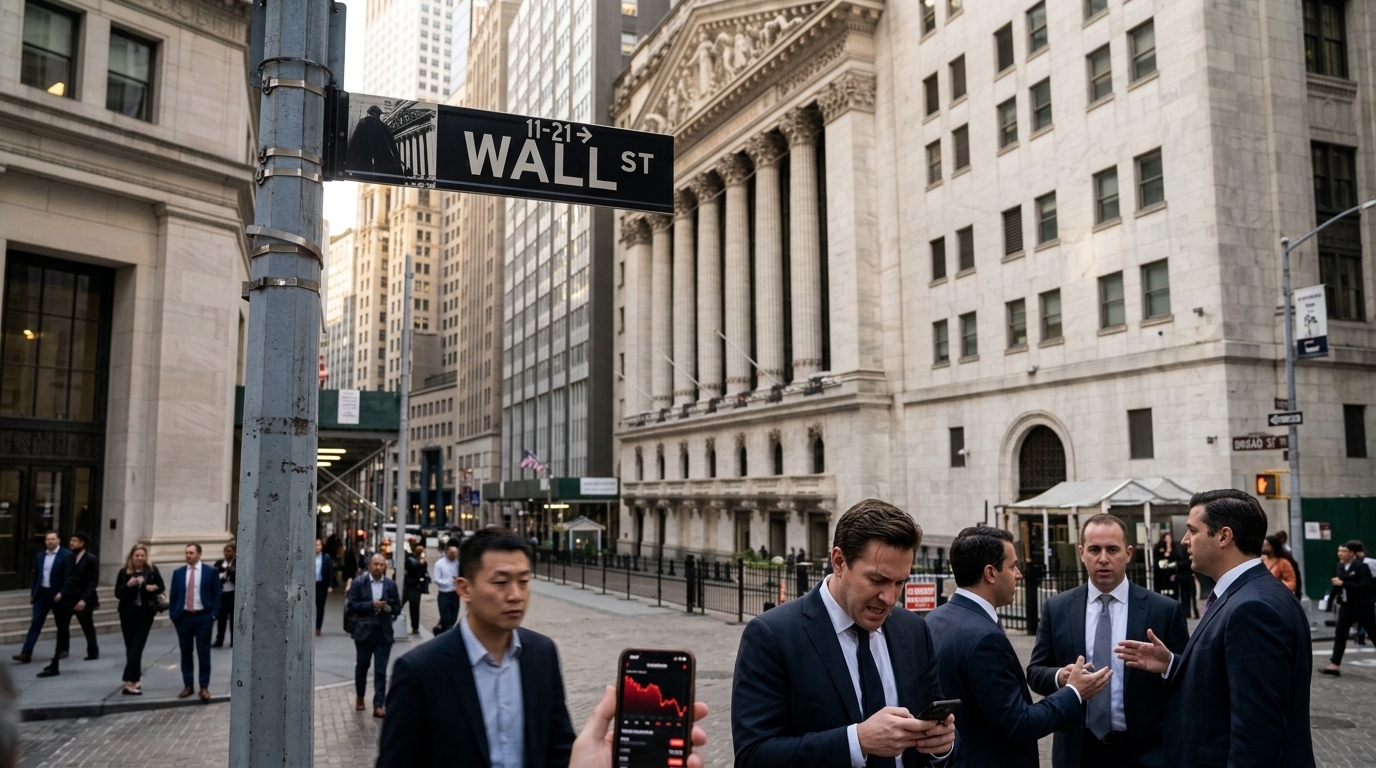
If the previous decade was about rescuing the Greek economy, the current one is about its digital transformation with an American signature. Investments by giants such as Microsoft, Google, and Amazon Web Services in Greece are not just business moves; they are votes of confidence in the country's geopolitical position. The American-Hellenic Chamber plays a decisive role in this transition, facilitating knowledge transfer and integrating Greek startups into the Silicon Valley ecosystem.
- Energy Security: Alexandroupolis has become a central hub for American LNG, reducing Europe's reliance on Russian gas.
- Data Centers: The creation of data regions by US groups is turning Greece into a telecommunications crossroads of three continents.
- Health Innovation: Pfizer’s digital innovation center in Thessaloniki serves as a blueprint for how 'brain gain' can be realized through bilateral cooperation.
Challenges and Future Prospects
Despite the excellent climate, the Chamber does not overlook the challenges. Global geopolitical instability and the protectionism emerging in certain aspects of the international economy require vigilance. The Greece-US strategic relationship must prove it can withstand the pressures of electoral cycles on both sides of the Atlantic.
"Our relationship with the US is no longer one of necessity, but a relationship of choice based on a shared understanding of the future of technology and security," as stated in AmCham's core positions.
In conclusion, this year's July 4th anniversary finds Greece and the US closer than ever. The challenge for the coming years is to deepen this relationship at the civil society level and ensure that the fruits of this cooperation permeate the entire Greek economy, strengthening the middle class and social cohesion.