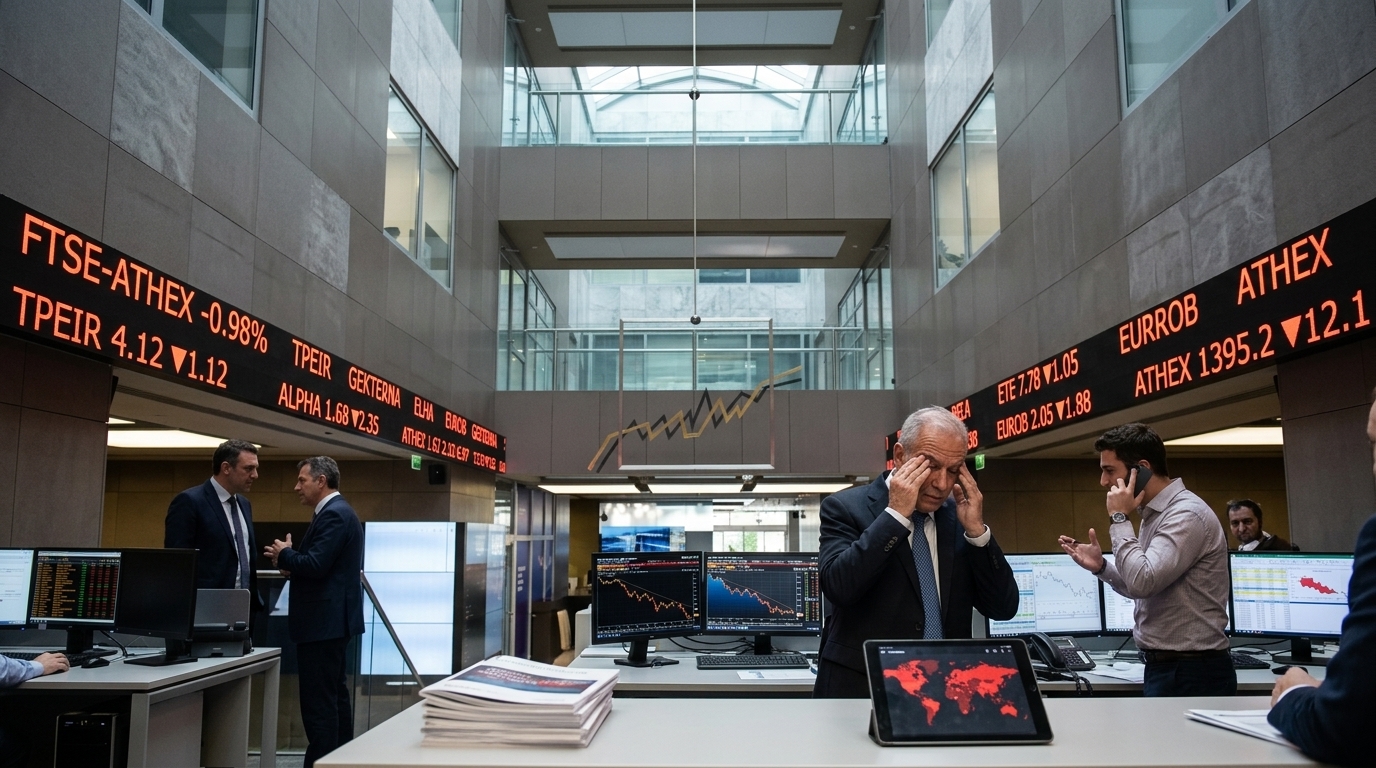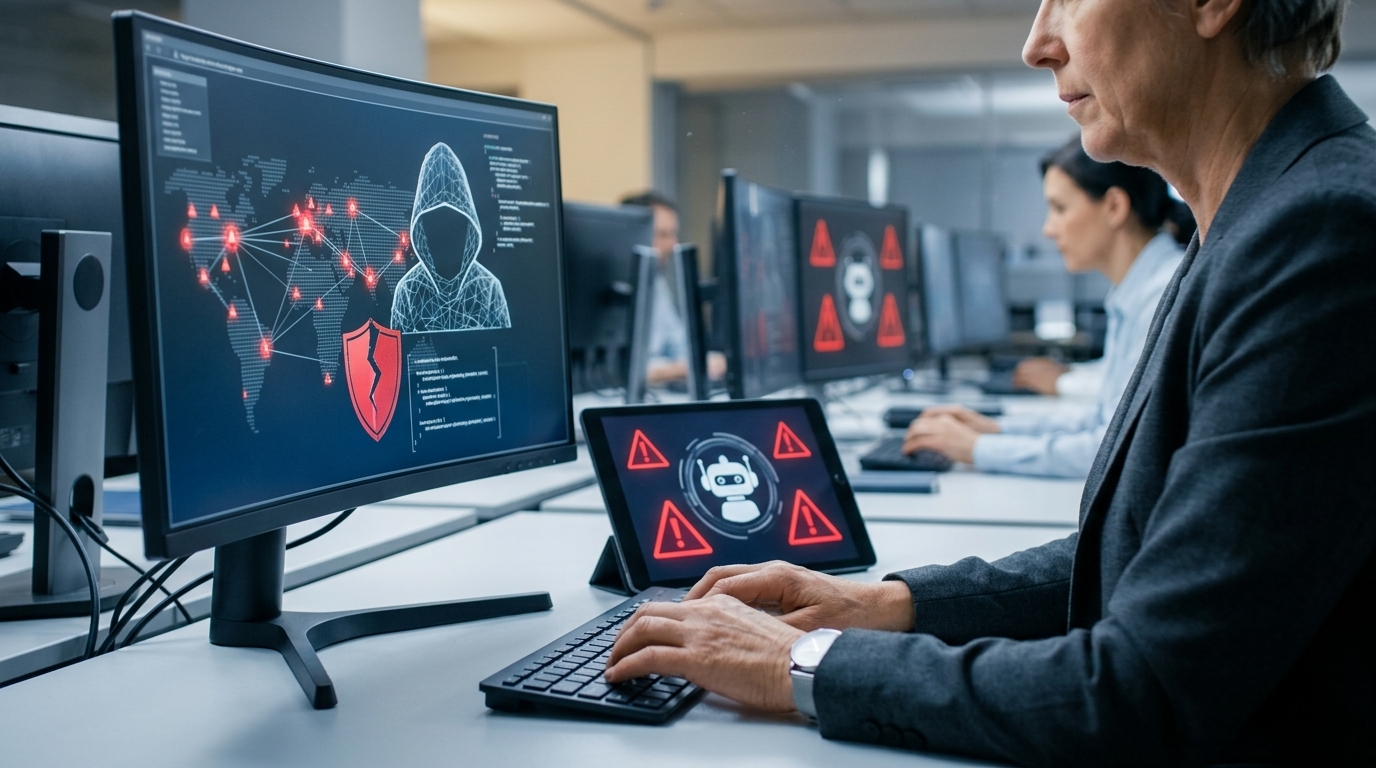
In the twilight of the digital transition, humanity faces a paradoxical reality: the very tools promising to solve the world's greatest challenges are becoming the 'Trojan Horse' for breaching our privacy. Artificial Intelligence (AI), having moved from experimental stages to universal application by 2026, has transformed into a double-edged sword. While defensive mechanisms are becoming smarter, cybercriminals are now leveraging AI to automate and perfect their attacks, creating an asymmetric threat that tests the resilience of states, corporations, and ordinary citizens alike.
The 'Democratization' of Cybercrime
One of the most concerning aspects of the current landscape is the lowering of the 'barrier to entry' into the world of hacking. A few years ago, a sophisticated attack required deep knowledge of programming and cryptography. Today, through specialized Large Language Models (LLMs) circulating on the Dark Web, even an amateur can synthesize malicious code or create convincing phishing campaigns in dozens of languages, devoid of the spelling errors or grammatical flaws that once gave the game away.
In regions like Greece and across the EU, the surge in phishing attacks targeting banking credentials via SMS and email has reached epidemic proportions. Hackers use AI to scrape public social media profiles and create hyper-personalized messages that are nearly impossible to identify as fraudulent. AI's ability to process vast amounts of data allows attackers to scale their operations with minimal cost, simultaneously targeting thousands of victims with distinct, tailored approaches.
Deepfakes: The Collapse of Digital Trust
Perhaps the most chilling development involves the use of deepfakes. Voice and image synthesis technology has reached such a level of perfection that distinguishing between the real and the artificial is impossible without specialized forensic tools. Cases have already been documented across Europe where corporate executives received voice commands from their 'CEOs' (via AI voice cloning) to transfer millions of euros to offshore accounts.
"We are no longer in an era where the problem is a simple virus on our computer. We are in an era where reality itself can be forged to manipulate us," cybersecurity analysts warn.
For the average user, this means a video call from a relative or a voice message from an employer is no longer a guarantee of authenticity. The breach of personal data no longer concerns just our passwords, but our biometric identity. If our voice or face is stolen and replicated by an AI model, the consequences for our personal and professional lives can be catastrophic.
Defense in the Age of Automated Threats
Faced with this wave of digital criminality, the response cannot be solely technological; it must also be institutional. The European Union, through the AI Act, is attempting to establish rules, but technology often moves faster than legislation. Businesses are now required to invest in 'Zero Trust Architecture,' where no access is deemed safe without multiple layers of authentication.
- Utilizing AI for real-time network behavior anomaly detection.
- Employee training in recognizing sophisticated social engineering attacks.
- Adopting biometric checks that require 'liveness detection.'
- Stringent data encryption at all levels of storage and transit.
On an individual level, 'digital hygiene' is more essential than ever. The use of password managers, two-factor authentication (2FA), and, most importantly, critical thinking toward every digital stimulus constitute the final bastions of protection. The stakes are not just our money, but the very autonomy of our digital existence in a world where algorithms are learning to deceive us better than humans ever could.