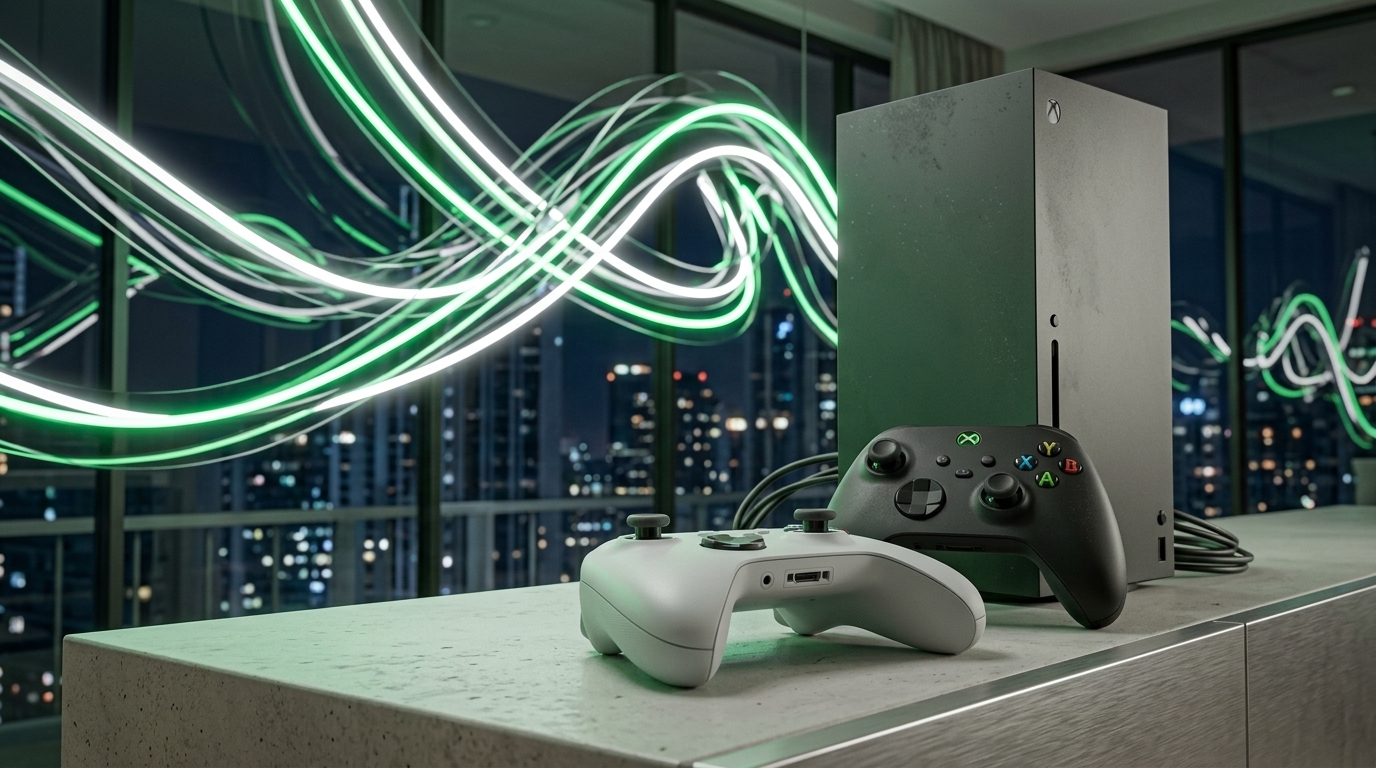
In a move that is sending shockwaves through the global gaming market, Microsoft has announced a series of significant price adjustments for its Xbox console family. The hike, which reaches a staggering $150 for certain models, is not a localized business decision but a symptom of a deeper crisis in the semiconductor supply chain. As we move through the summer of 2026, the combined pressure of the AI bubble and the genuine demand for Artificial Intelligence infrastructure has created unprecedented competition for the same materials that power our gaming machines.
The Memory War: AI vs. Gaming
The core of the problem lies in the global shortage of high-speed memory (GDDR and HBM). Tech giants developing Large Language Models (LLMs) and cloud AI infrastructure are absorbing the lion's share of production from fabs like TSMC, Samsung, and SK Hynix. This leaves consumer electronics manufacturers, such as Microsoft and Sony, in a precarious position: either secure components at exorbitant prices or face empty shelves.
Microsoft has chosen the former, passing the cost directly to the end consumer. This move follows a similar strategy recently adopted by Apple, confirming that the era of "affordable" high-end devices is drawing to a close. Analysts point out that the memory required for an Xbox Series X is now 40% more expensive than last year, as suppliers prioritize AI accelerator cards that offer significantly higher profit margins.
The End of the Subsidized Console Model
Historically, console manufacturers sold hardware at a loss or with razor-thin margins, expecting to recoup revenue through software sales and subscriptions (like Xbox Game Pass). However, with a $150 price increase, Microsoft appears to be abandoning this aggressive loss-leader strategy. The need to improve the financial performance of the gaming division, especially following the massive acquisition of Activision Blizzard, is pushing Satya Nadella’s leadership toward immediate profitability from every revenue stream.
- The price of the Xbox Series X is expected to stabilize at levels reminiscent of premium PC hardware.
- Digital Editions are seeing smaller but still noticeable price bumps.
- The secondary market for used consoles is expected to surge as new units become inaccessible to the average family.
This shift also suggests a strategic pivot toward Cloud Gaming. If the console as a physical object becomes too expensive, Microsoft has every incentive to nudge users toward Xbox Cloud Gaming, where the user requires no hardware other than a subscription and a stable internet connection. It is an "elegant" solution to a resource problem that the company itself helped create through its massive AI investments.
Economic Implications and Market Reaction
In Europe and other international markets, these increases are expected to be even more pronounced due to VAT and import duties. With inflation remaining an unpredictable factor, Microsoft’s decision could trigger a domino effect. Rumors are already circulating that Sony is considering a similar adjustment for the PlayStation 5 Pro, which would mark the most expensive gaming generation in history.
"We are not just seeing a price hike; we are seeing a re-evaluation of the value of silicon. When AI can generate billions in revenue, playing Call of Duty is viewed by the supply chain as a 'low-priority luxury'," says a leading market analyst.
In conclusion, Microsoft is walking a tightrope. On one hand, it must satisfy shareholders by protecting its margins. On the other, it risks alienating its user base at a time when competition from handheld PC gaming (like the Steam Deck) and mobile gaming is intensifying. One thing is certain: gaming in 2026 is no longer the affordable hobby it once was; it is now a battlefield of economic interests and technological supremacy.