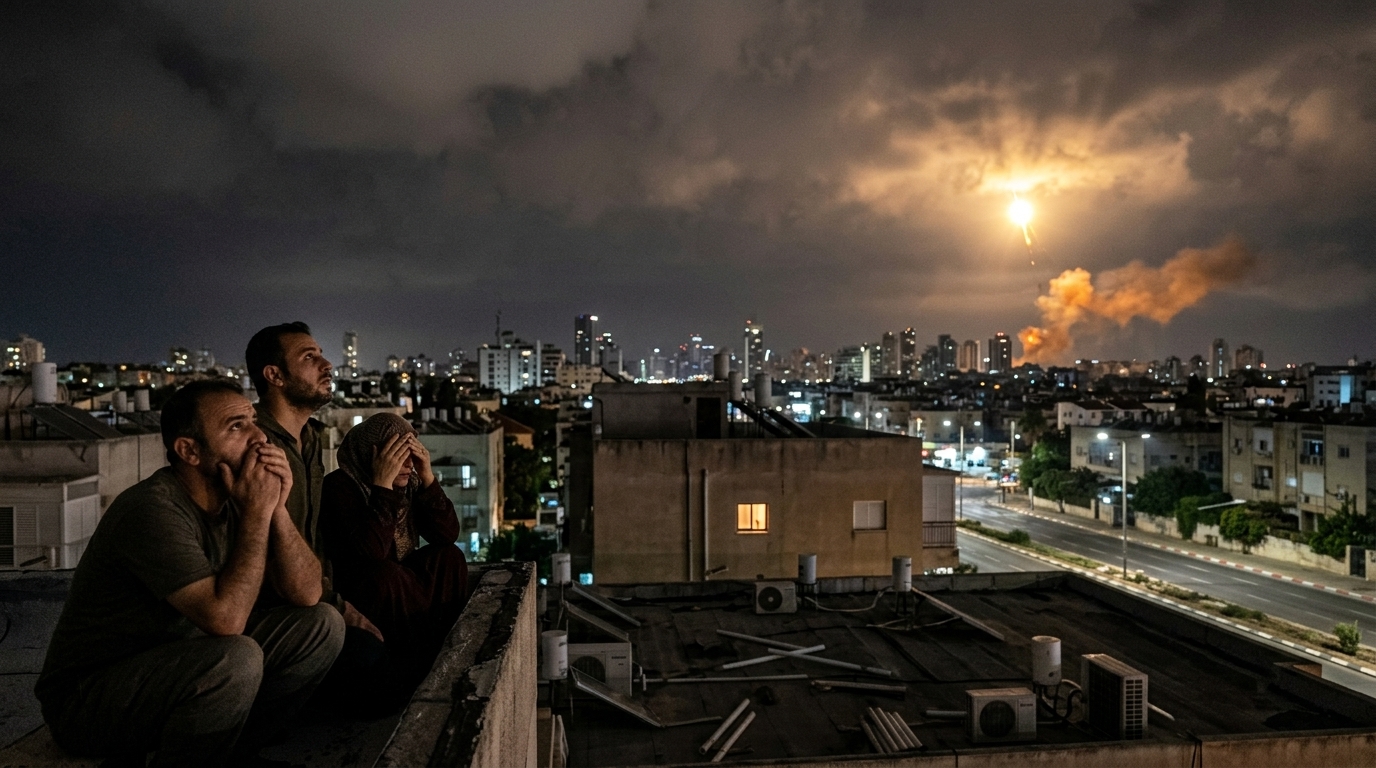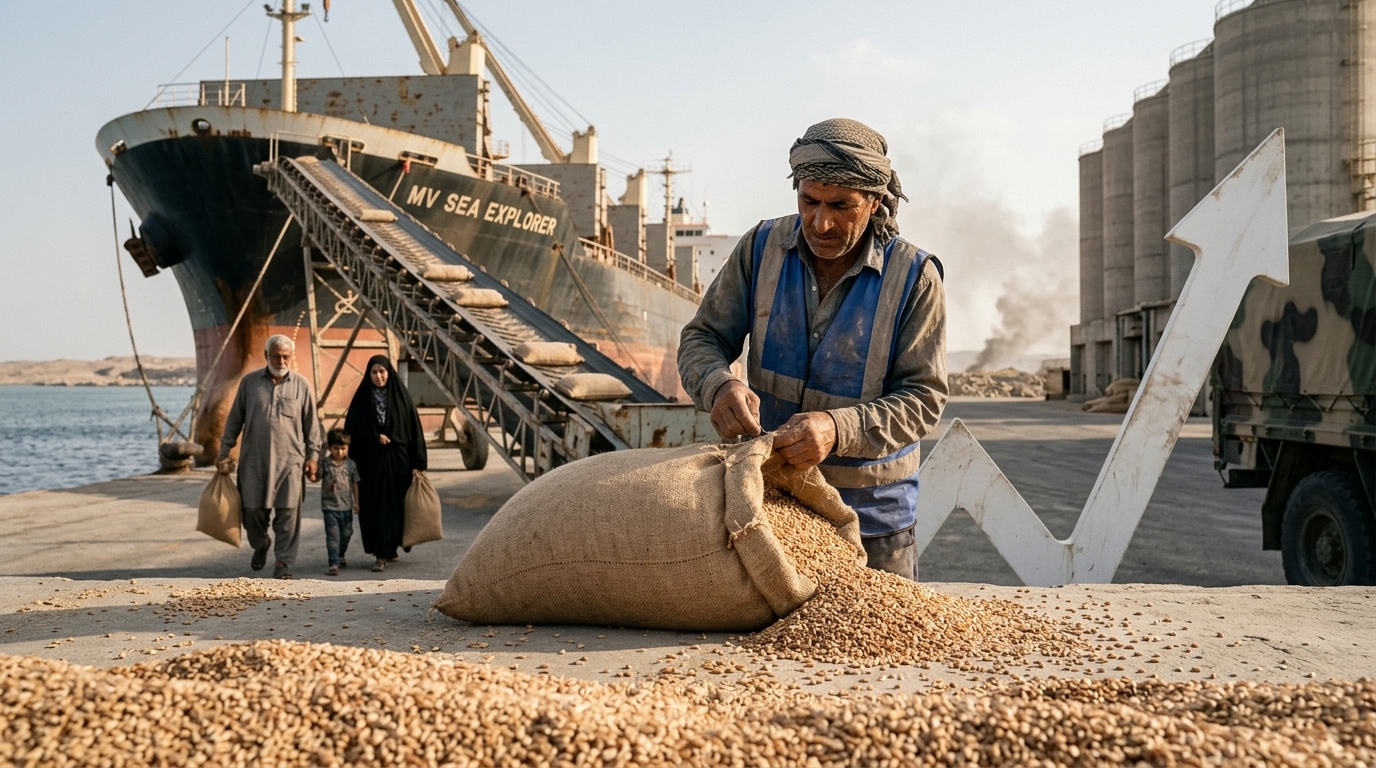
When geopolitical analysts turn their gaze to the Persian Gulf, the first word they utter is usually "oil." However, a closer look at global supply chains reveals a far more immediate and existential threat to humanity: the collapse of fertilizer production. An escalation of war in Iran would not only plunge the world into darkness but would leave the plates of billions of people empty, threatening up to 10 billion meals per week.
The Unsung Giant of Fertilizers
Iran is not just a major exporter of hydrocarbons; it is one of the most critical players in the global urea and ammonia market. These substances form the backbone of nitrogenous fertilizers, which are essential for growing staples such as wheat, corn, and rice. According to recent analyses, a disruption of exports from Tehran, combined with the potential closure of the Strait of Hormuz, could trigger a domino effect of shortages that global agriculture is unprepared to handle.
Urea production requires vast amounts of natural gas, which Iran possesses in abundance. Countries like India, Brazil, and many African nations rely heavily on Iranian imports to maintain their agricultural yields. If this production stops due to bombardment or sanctions, fertilizer prices will skyrocket to levels that make farming unaffordable for millions of smallholders.
The Mathematics of Hunger
The figure of "10 billion meals" is not a random exaggeration. It is based on the premise that nearly 50% of the global population survives thanks to the increase in agricultural production provided by synthetic fertilizers. Without them, the earth simply cannot feed 8 billion people. A prolonged conflict in Iran would remove millions of tons of nitrogen from the market. The resulting decline in crop yields would translate into a terrifying calorie deficit globally.
- India imports approximately 25% of its urea needs from the Gulf region.
- Brazil, the "breadbasket of the world," depends on imports for 80% of its fertilizers.
- China, although a producer, would be forced to halt exports to ensure its own domestic consumption, exacerbating the global crisis.
Social Instability and the Global South
While Western economies might manage the crisis through subsidies and higher shelf prices, the Global South faces a humanitarian catastrophe. History has shown that food price spikes are the number one driver of political instability. The 2011 "Arab Spring" was largely triggered by the rising price of bread. A new fertilizer crisis could lead to massive migration flows and government collapses across Asia and Africa.
"The geopolitics of hunger is more dangerous than the geopolitics of energy. You can live without a car, but you cannot live without food," FAO analysts state.
The dependence of modern agriculture on fossil fuels (for ammonia production via the Haber-Bosch process) is proving to be the "Achilles' heel" of our civilization. A war in Iran would bring this weakness to the fore in the most violent way.
Seeking a Way Out: Green Ammonia and Diversification
Is there a solution? Experts suggest immediate investment in "green ammonia," produced from renewable energy and water instead of natural gas. However, this technology is still in its infancy and cannot replace Iranian production in the immediate future. Diversifying supply sources and strengthening national fertilizer reserves are the only options for governments wishing to avoid chaos.
In conclusion, a war in Iran is not a local conflict for dominance in the Middle East. It is a threat to the most basic human right: access to food. The international community must realize that peace in the region is inextricably linked to the stability of the global dinner table.