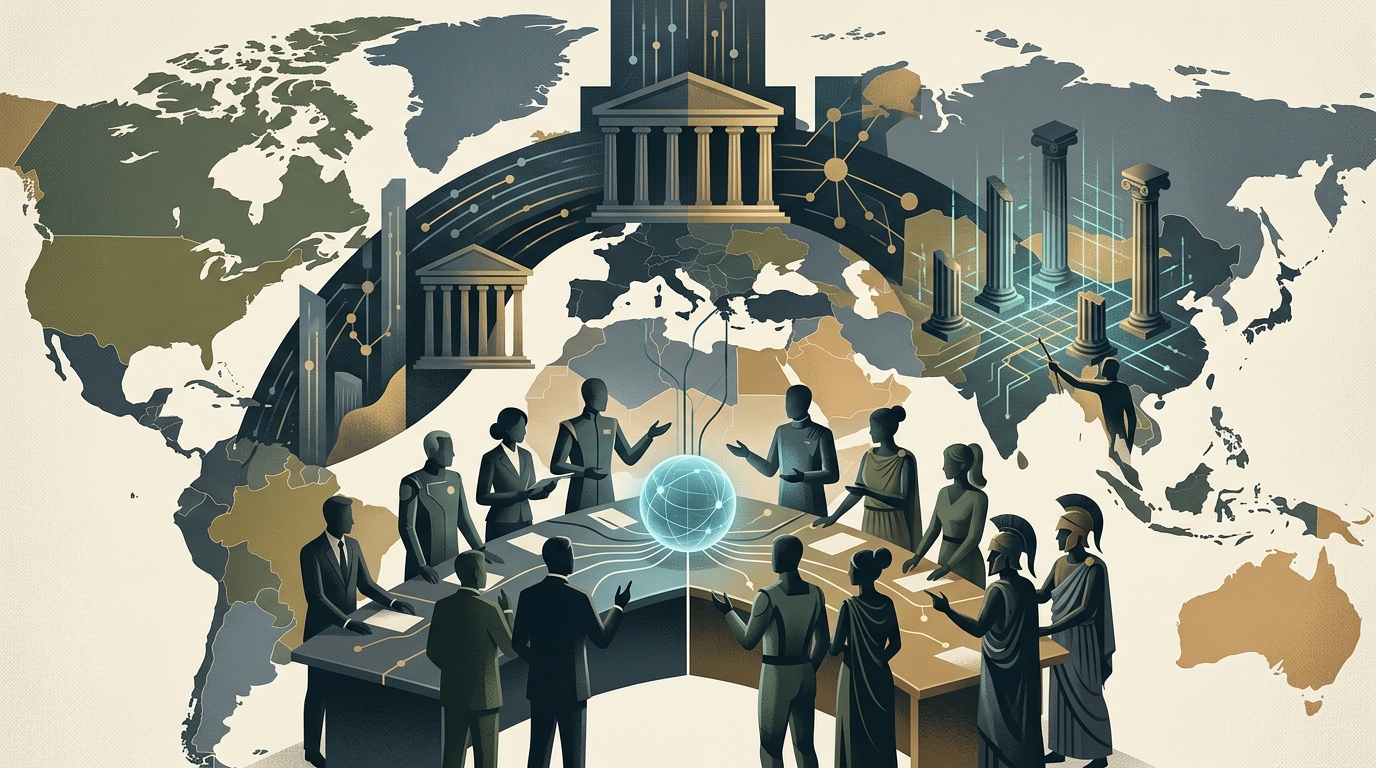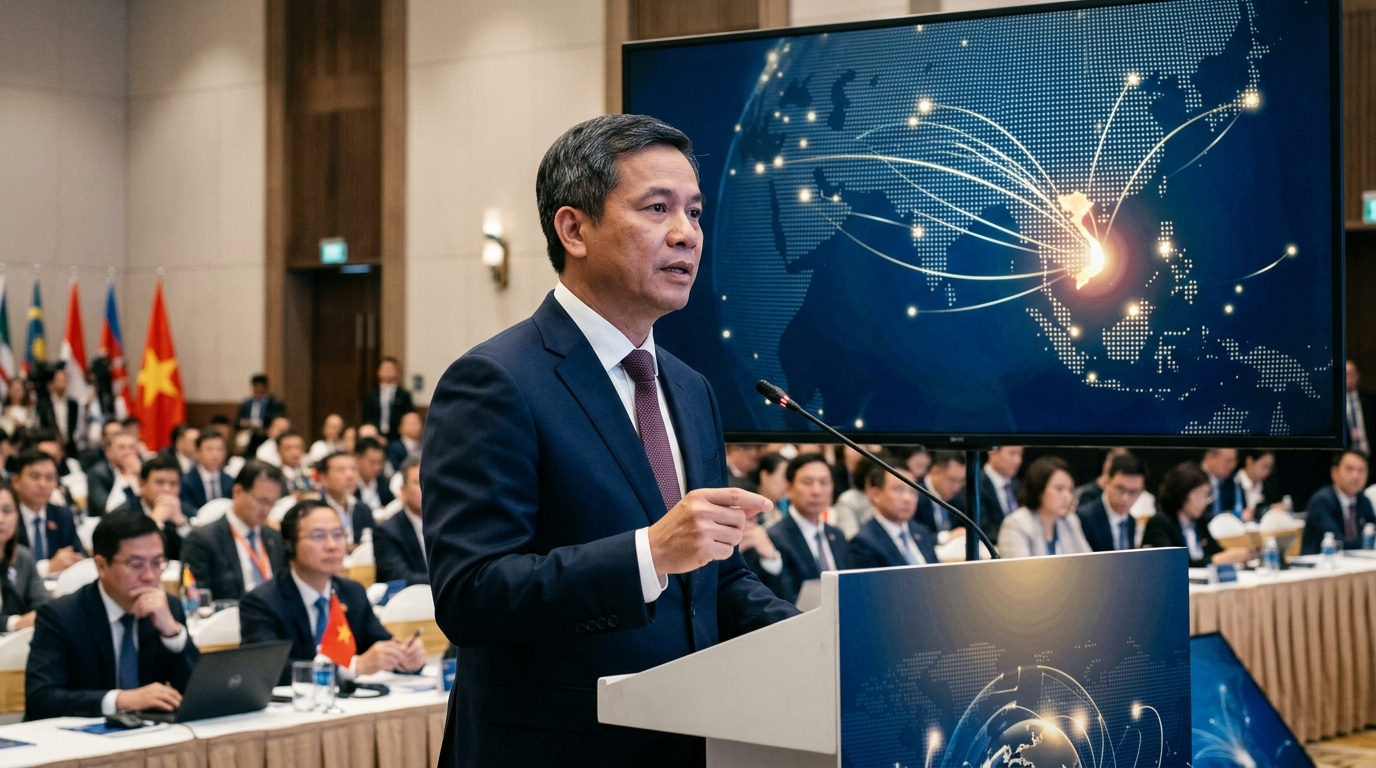
Eighteen months have passed since the historic activation of Resolution 57 in Vietnam, a move that signaled the official commencement of a new era for the Southeast Asian nation. What began as an ambitious government directive to "accelerate digital transformation and develop Artificial Intelligence (AI)" has now evolved into a comprehensive restructuring of the national economy. Hanoi is no longer content with being the "world's factory" for textiles; it aims to become one of the top ten AI hubs in the region and globally by 2030.
The Strategic Architecture of Resolution 57
Resolution 57 was not merely a wish list. It was a roadmap that mandated cooperation between the state, academia, and major technological conglomerates. In the 18 months that followed, we witnessed the establishment of the National Innovation Center (NIC) and the provision of unprecedented tax incentives for startups operating in machine learning and data analytics. The Vietnamese government recognized early on that AI dominance requires three ingredients: data, computing power, and, most importantly, human capital.
The numbers are indicative of the progress. Investment in data center infrastructure has increased by 40%, while the educational system is undergoing a radical overhaul. Over 50 universities have introduced specialized AI curricula, responding to the massive market demand. The "AI-first" approach now permeates every aspect of public administration, from automated document processing to the use of predictive models for traffic management in densely populated cities like Ho Chi Minh City.
The Role of Domestic Giants and Foreign Investment
At the heart of this evolution are companies such as FPT, Viettel, and Vingroup. FPT, in particular, has emerged as the standard-bearer of Vietnamese technology, signing strategic agreements with global players like NVIDIA to build "AI Factories." These infrastructures do not only serve Vietnam but aspire to provide cloud services to the entire ASEAN region.
Simultaneously, the geopolitical climate has been favorable. As the United States and China engage in a "chip war" and technological blockades, Vietnam emerges as the ideal "third way." Visits by top Silicon Valley executives to Hanoi in recent months confirm that the country is now considered a reliable partner in the high-tech supply chain. The relocation of production lines from China to Vietnam is no longer just about assembly; it also involves AI-assisted semiconductor design.
Challenges and Ethical Dilemmas
However, rapid growth brings significant challenges. The first concerns the skills gap. Despite the increase in students, the labor market still thirsts for experienced AI engineers, leading to a "talent war" that increases costs for smaller enterprises. Furthermore, the legal framework for personal data protection remains in its infancy, raising concerns about the potential misuse of surveillance technologies.
- Shortage of high-level expert personnel (Senior AI Engineers).
- Need for a stricter ethical and deontological framework in AI.
- Dependence on imported hardware despite efforts for domestic production.
- Risk of widening social inequalities between urban centers and rural areas.
Resolution 57 also envisioned the creation of a "Sandbox" (a regulatory testing environment), where companies can experiment with new technologies without the fear of immediate sanctions. This model has proven successful, allowing Vietnam to innovate faster than its neighbors, but the delicate balance between freedom and control remains the great bet for the Communist Party of Vietnam.
Conclusion: The Road Ahead
In conclusion, the first 18 months of Resolution 57's implementation show that Vietnam is not merely a passive recipient of technology but an active shaper of the future. The country has managed to create an ecosystem that combines political stability, a youthful workforce, and an aggressive investment policy. If it manages to overcome bureaucratic hurdles and strengthen education, the "Vietnamese Miracle" of the 2020s will be written in Python code and powered by neural networks.