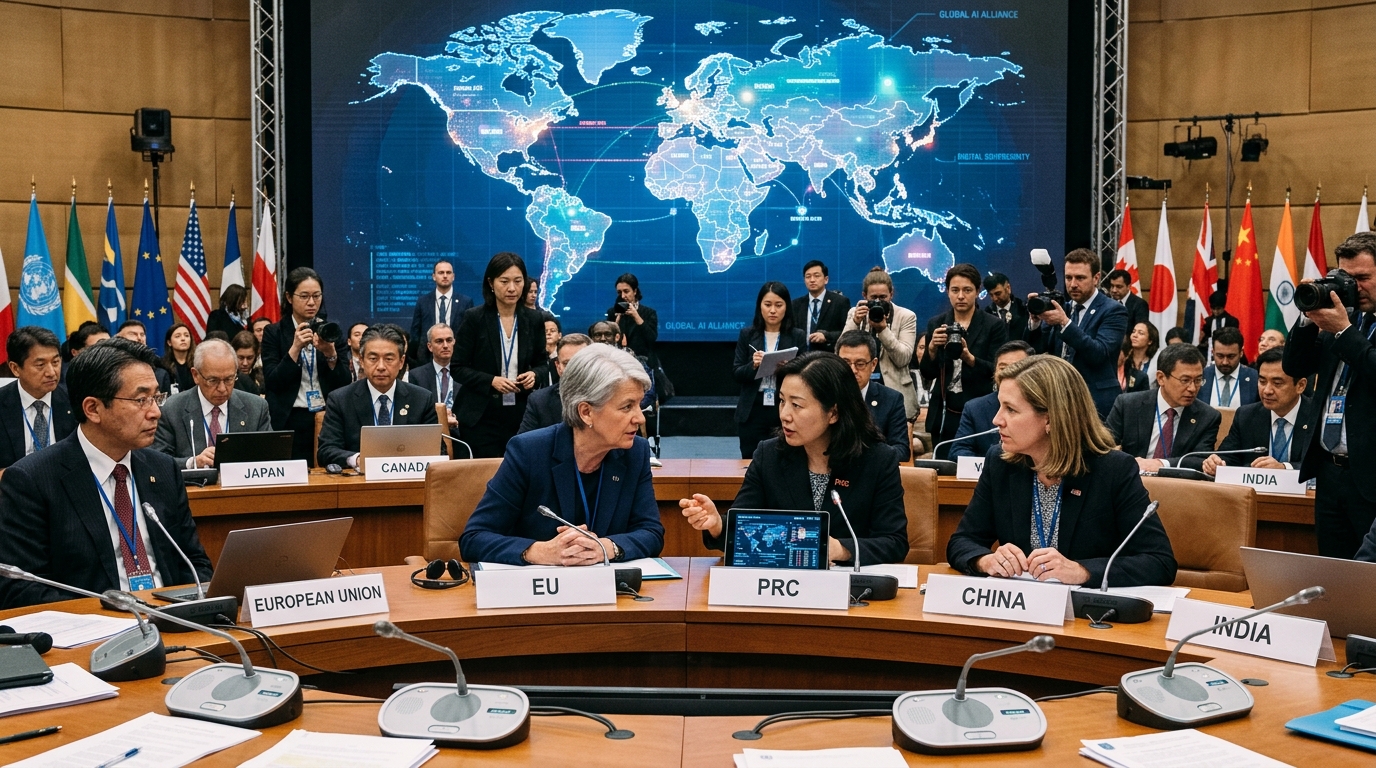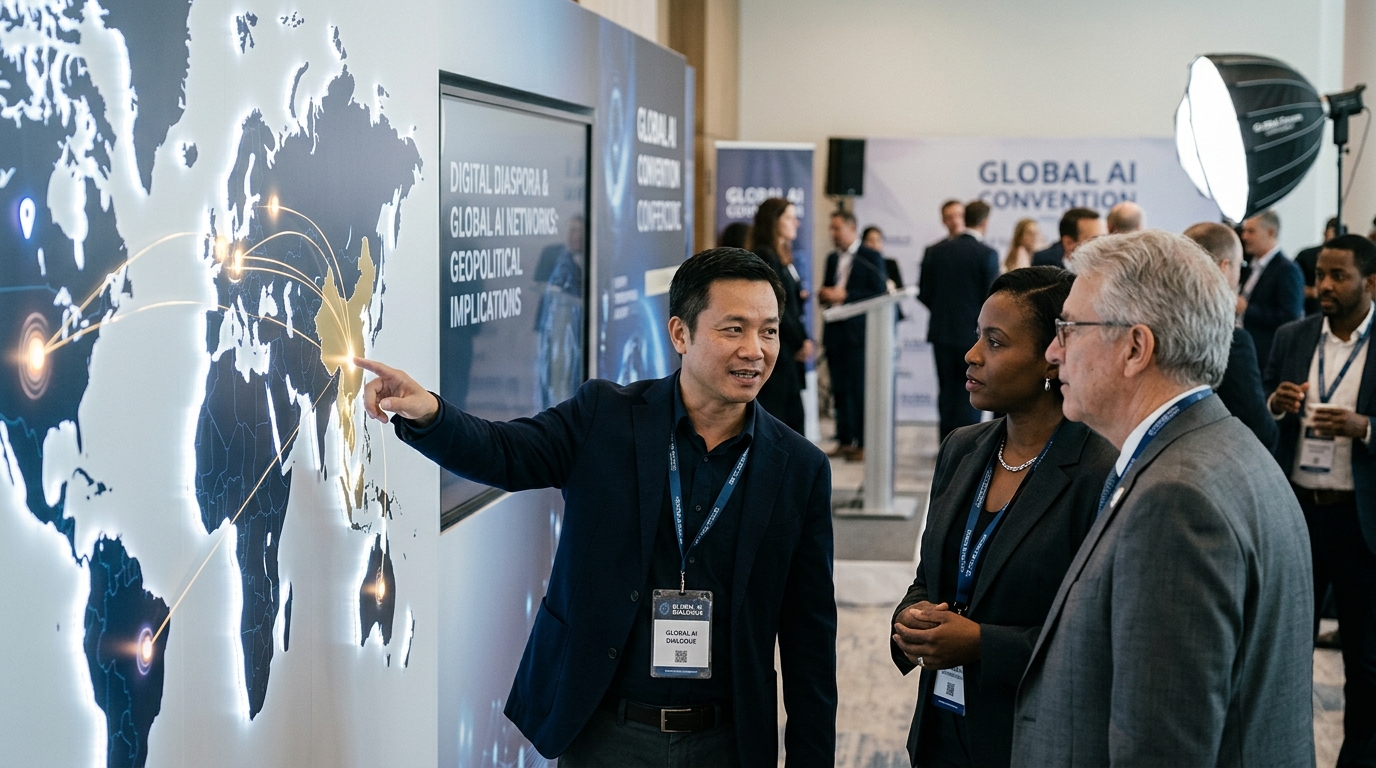
In an era where Artificial Intelligence (AI) is no longer just a productivity tool but the primary arena of geopolitical competition, Vietnam is making a bold move. The recent proposal to establish a global network of Vietnamese AI experts, highlighted via the Vietnam.vn platform, signals a strategic shift for the country toward a "knowledge economy." This initiative is not just about technology; it is about leveraging the human capital of the diaspora to establish national sovereignty in the digital space.
The Strategy of "Digital Repatriation"
Vietnam, a country that for decades was identified with low-cost manufacturing, is now in the process of radical transformation. The government in Hanoi has set a goal for the country to be among the top 4 ASEAN nations in AI development by 2030. The key to achieving this goal lies not only within its borders but in the thousands of Vietnamese scientists and engineers working in Silicon Valley, Europe, and Asia’s tech hubs.
The proposal envisions a platform that allows direct collaboration between domestic research centers and experts abroad. Analysts suggest that Vietnam is looking to replicate the models of China and India, which used their diasporas as a "bridge" for the transfer of expertise and capital. This network is expected to focus on cutting-edge fields such as Natural Language Processing (NLP), machine learning for agriculture, and cybersecurity.
Geopolitical Balances and "Tech Diplomacy"
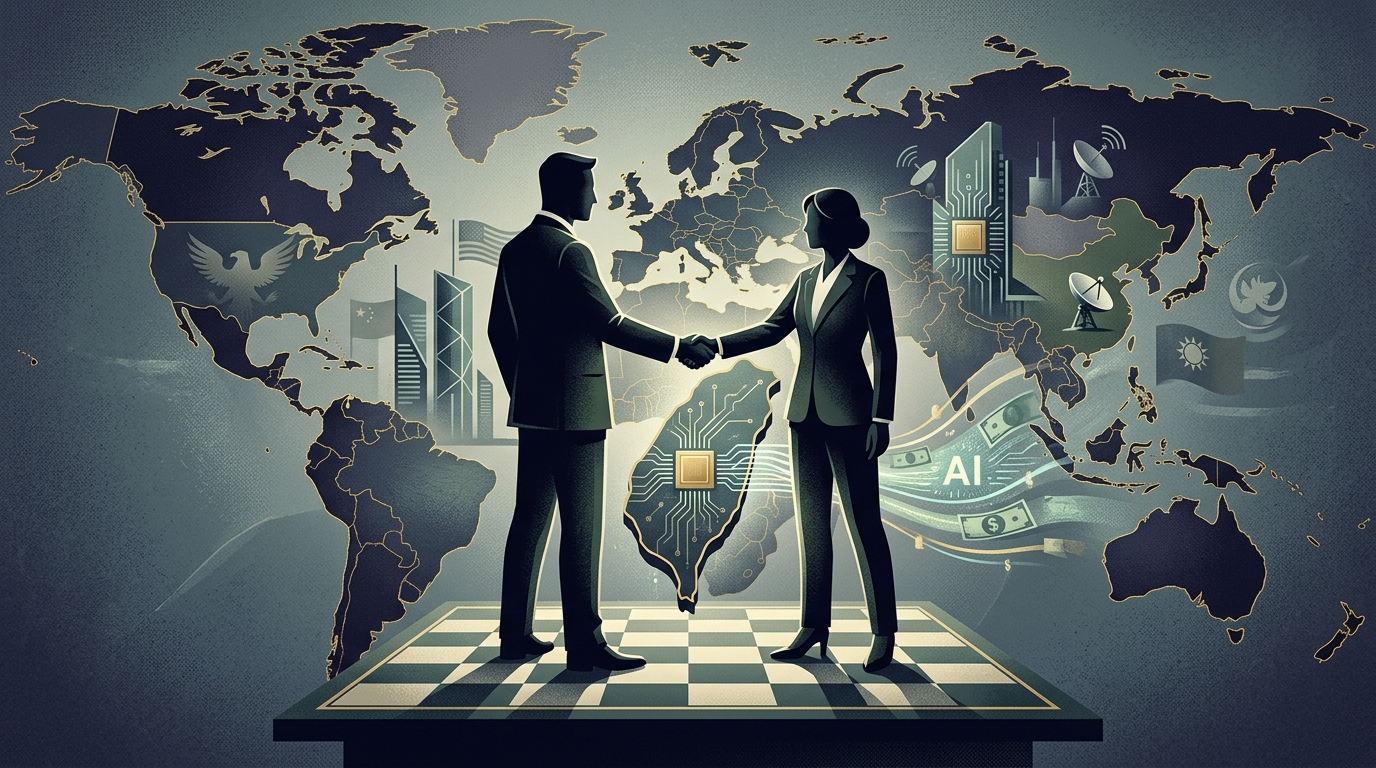
Amidst the ongoing competition between the US and China, Vietnam follows a policy of "multidimensional foreign policy," also known as "bamboo diplomacy." Building a robust domestic AI ecosystem allows the country to avoid exclusive dependence on the technological infrastructure of the two superpowers.
"Artificial Intelligence is the new electricity, and whoever controls the grid controls the future of their national economy,"says an official from Vietnam’s National Innovation Center (NIC).
This move coincides with the increased presence of American giants like NVIDIA and Meta in Vietnam. Jensen Huang, CEO of NVIDIA, has already described Vietnam as a "second home" for his company, promising investments in supercomputing infrastructure. The global network of experts will serve as the connective tissue ensuring that these investments translate into domestic innovation rather than mere consumption of foreign products.
Challenges and the Brain Drain Phenomenon
Despite the ambitions, the path is not without obstacles. Vietnam still faces a significant "brain drain" problem. The country's best scientists often choose to remain abroad due to higher salaries and better research infrastructure. Creating a network is the first step, but maintaining the interest of these experts requires an institutional framework that protects intellectual property and offers incentives for entrepreneurship.
Furthermore, there is the issue of AI ethics and governance. As Hanoi seeks to control information, collaborating with scientists trained in Western universities with values of open access and ethics may create friction. However, the government seems willing to offer "golden visas" and tax exemptions to attract the top talent of the diaspora.
Conclusion
Vietnam does not just want to be a player in the global AI market; it wants to be the architect of its own digital destiny. The global network of experts is a statement of power, showing that emerging economies can use globalization to their advantage, turning the diaspora from a loss into a strategic asset. The success of this venture will determine whether Vietnam remains the "factory of the world" or evolves into the "laboratory of the world."