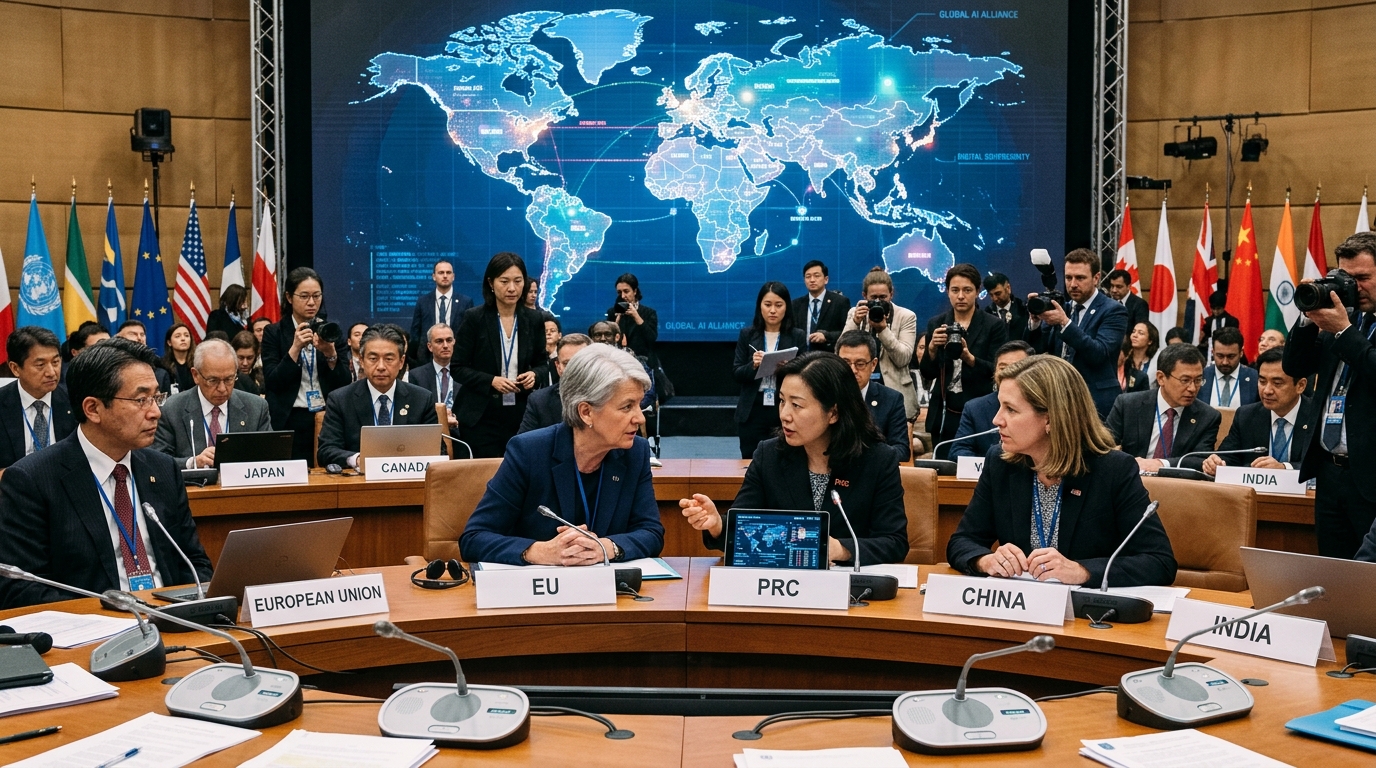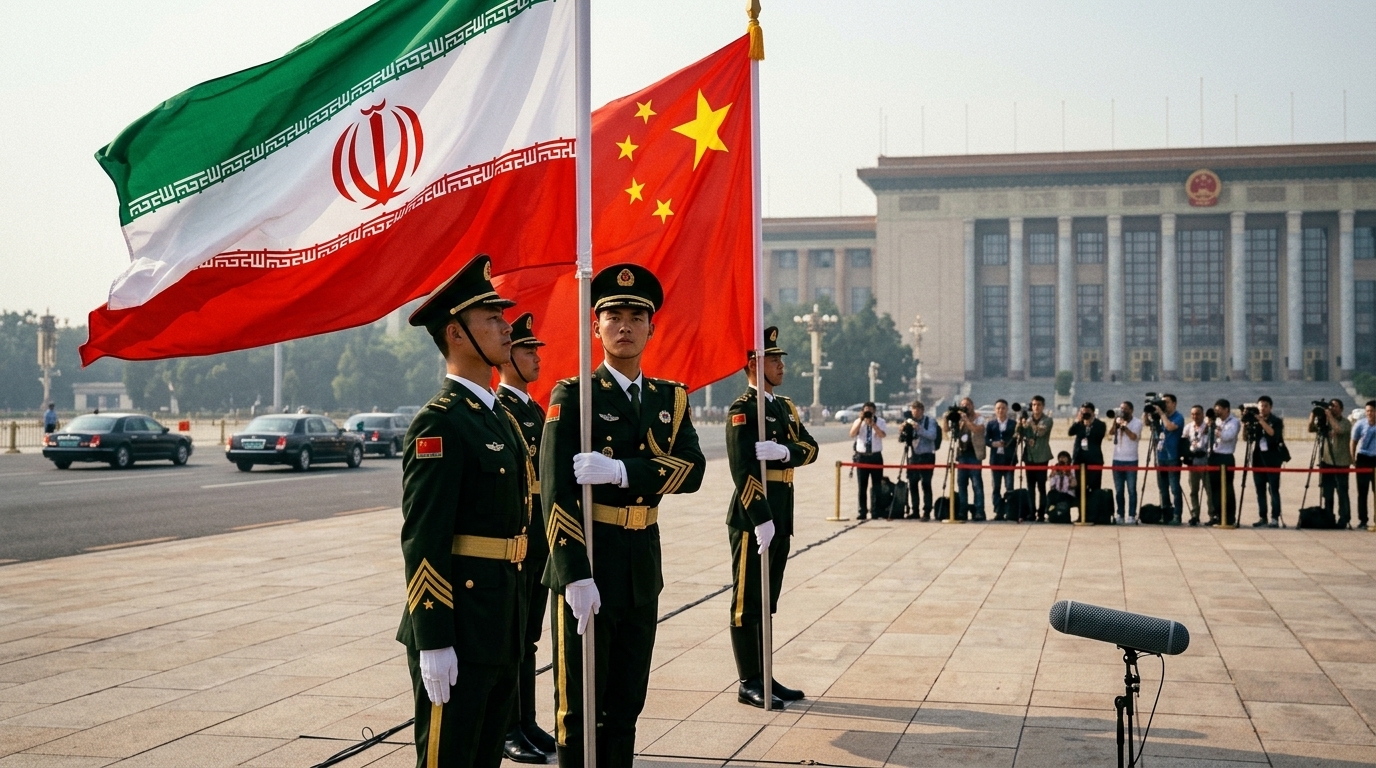
At a time when international diplomacy appears to be walking a tightrope, President Donald Trump's visit to Beijing and his remarks about a "wonderful future" with Xi Jinping stand in stark contrast to the grim reality described by US intelligence agencies. A recent report, recently made public, analyzes with surgical precision how prolonged instability in the Middle East and the confrontational relationship with Iran have provided China with a golden opportunity to establish itself as the new dominant player in the region.
The Strategy of "Non-Interference" as a Commercial Tool
While the United States remains trapped in a web of sanctions, defense commitments, and moral dilemmas regarding arms sales, China is following a much more cynical and effective approach. Beijing, according to the report, is not just selling weapons; it is selling "strategic autonomy." Gulf states, including traditional US allies like Saudi Arabia and the United Arab Emirates, are increasingly turning to Chinese weapon systems, such as the CH-4 and CH-5 drones, which are offered without the strict restrictions imposed by the US Congress.
The report highlights that China is exploiting these states' fear of a potential escalation with Iran. Instead of choosing sides in the absolute manner Washington does, Beijing maintains open channels of communication with both Tehran and Riyadh. This "active neutrality" allows China to present itself as the only reliable mediator, while the US is seen as part of the problem rather than the solution.
The Erosion of American Influence in the Gulf
The most concerning element of the report for US policymakers is the speed at which US allies are integrating Chinese technology into their defense infrastructure. It is no longer just about simple arms sales, but about deep technological cooperation involving artificial intelligence, 5G networks, and surveillance systems. The integration of Chinese systems into the networks of countries hosting US bases creates serious security and interoperability issues for NATO and American forces.
- Sale of advanced drones to Saudi Arabia and the UAE.
- Agreements for local production of Chinese weapon systems.
- Strengthening energy cooperation with Iran, fueling Chinese industry.
- Use of the Yuan in oil transactions, undermining the dollar.
China, acting as the "shrewd neutral," has managed to turn the tension between the US and Iran into a profitable business. While Washington spends resources and political capital to contain Iranian influence, Beijing signs billion-dollar contracts, while simultaneously securing the energy flow necessary for its economic survival.
The Future of Regional Security
The report concludes that American strategy in the Middle East requires an immediate overhaul. The policy of "blank checks" or absolute exclusions no longer works in a multipolar world. Gulf countries have shown they are not willing to sacrifice their security on the altar of American geopolitical priorities, especially when China offers alternatives without political strings attached.
"The Middle East is no longer an American lake. It is the field where China tests its ability to overturn the global order without firing a single bullet," says one of the report's authors.
Ultimately, the conflict with Iran may prove to be the "Trojan horse" through which China gains control over the planet's most critical energy routes. Washington must decide whether to continue its pressure tactics or find a way to compete with China on its own turf: that of pragmatic and ruthless diplomacy.