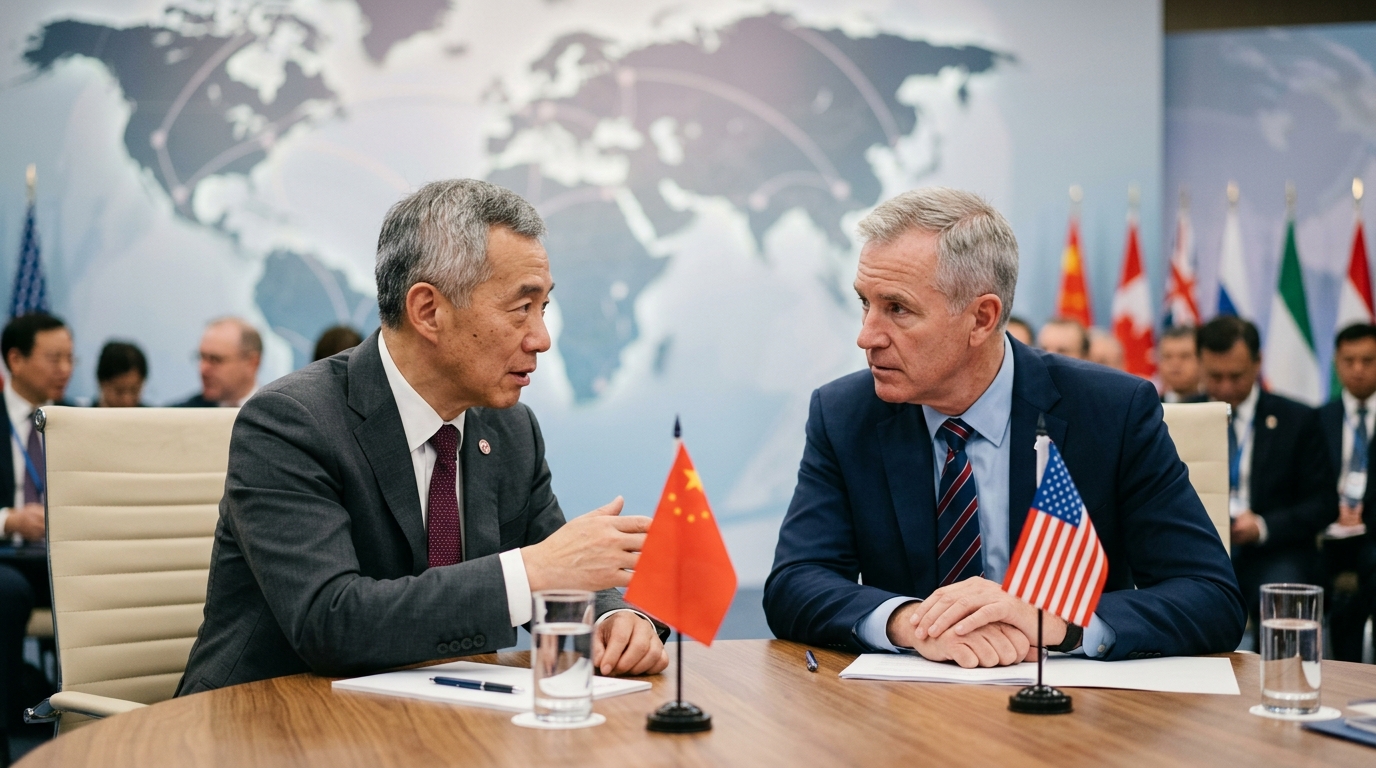
The global geopolitical landscape is shifting under the weight of Artificial Intelligence (AI) advancements, but the recent escalation between Washington and Beijing reveals that the stakes are far broader than mere hardware supremacy. According to recent reports, including analysis from CNBC, China-linked actors have significantly expanded their operational scope. They are no longer solely focused on intellectual property theft or controlling the semiconductor supply chain; they are now targeting the very social and political fabric of Western democracies.
From Espionage to Influence Operations
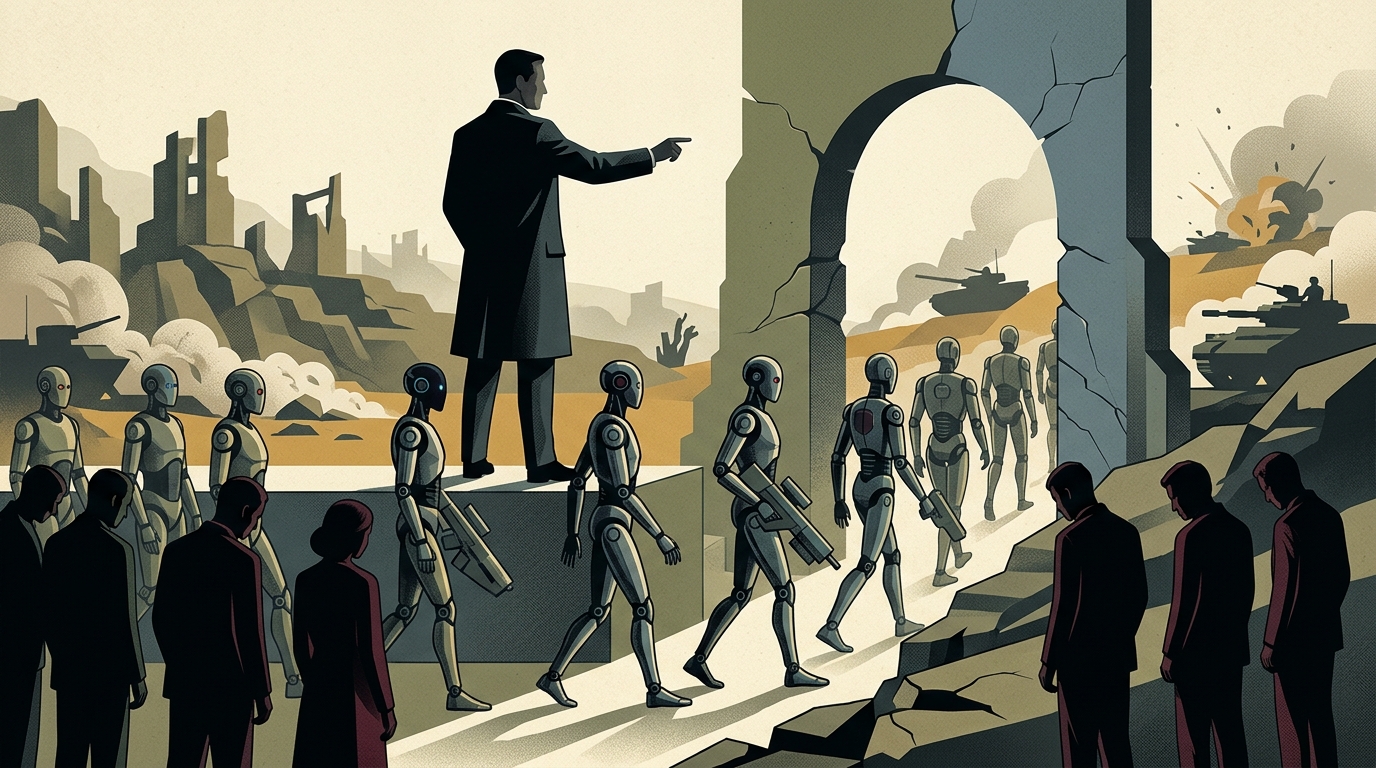
For decades, cyber espionage was characterized by the pursuit of blueprints for fighter jets, energy grids, and commercial secrets. However, in the era of Generative AI, the objective has pivoted toward cognitive influence. Chinese actors are increasingly leveraging AI to orchestrate disinformation campaigns that are nearly indistinguishable from organic discourse. By utilizing deepfakes and sophisticated bot networks, the strategy aims to erode institutional trust and polarize public opinion across the West.
This 'cognitive warfare' represents a formidable asymmetric threat. While the United States focuses on strangling China's access to high-end chips—such as Nvidia's H100 series—Beijing is countering by investing in the 'soft power' capabilities of AI. The ability to sway elections or reshape global narratives through algorithmic manipulation is proving to be as potent as conventional military superiority.
The Battle for the Global South and Digital Infrastructure
Another critical dimension of this rivalry is the competition for digital infrastructure in developing nations. Through the 'Digital Silk Road' initiative, China is exporting AI-driven surveillance technologies and governance frameworks to countries across Africa, Latin America, and Southeast Asia. This is not merely a commercial endeavor; it is a strategic effort to establish new global standards that favor a centralized, authoritarian model of digital governance.
The U.S. and its allies find themselves in a complex predicament. While export controls may hamper China's immediate technological progress, they are simultaneously accelerating Beijing's drive for self-reliance. Chinese tech giants like Huawei and Baidu are rapidly developing domestic alternatives. Though these may currently lag behind Western counterparts in raw processing power, they are increasingly sufficient for a wide array of industrial and social AI applications. The emergence of a 'Splinternet'—a bifurcated digital world with separate rules and infrastructures—is becoming a geopolitical reality.
The Thucydides Trap in the Digital Era
The historical concept of the 'Thucydides Trap,' where a rising power threatens to displace an established hegemon, is finding its most modern expression in AI. The difference today is that the battlefield consists of data centers and lines of code rather than physical geography. AI acts as a force multiplier, and whoever succeeds in setting the ethical and operational standards for its use will likely dominate the global economy for the next century.
"Artificial Intelligence is no longer just a tool for economic growth; it is the new foundation of national sovereignty," security analysts suggest.
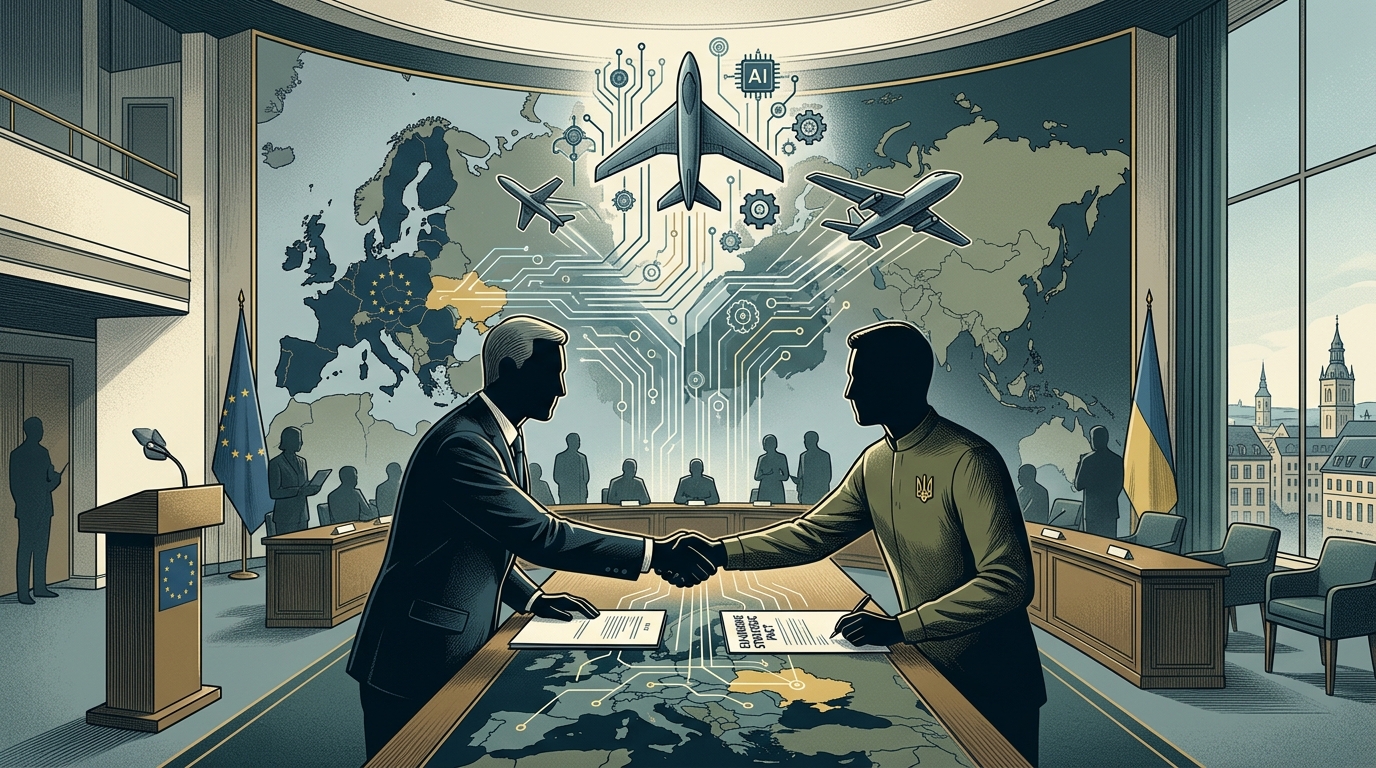
In conclusion, the U.S.-China confrontation is no longer just about who builds the most capable large language model. It is about who defines the reality of the 21st century. As these two superpowers decouple, the rest of the world—particularly Europe—must navigate a path that protects democratic values without being sidelined in a technological race that will ultimately determine the future of global influence.