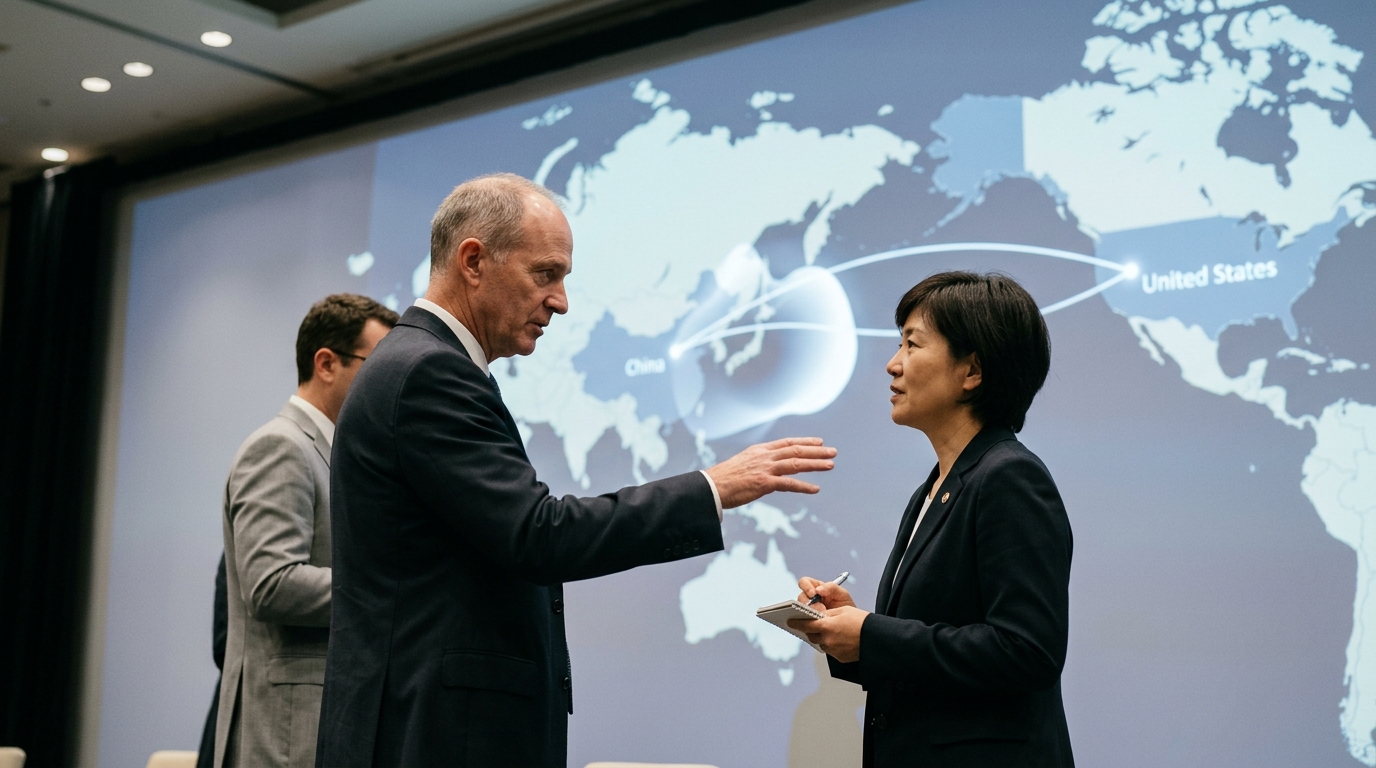
The narrative of technological hegemony is usually written in terms of exclusivity and protectionism. However, the summer of 2026 finds Silicon Valley in a state that many analysts would have deemed unthinkable two years ago: a growing reliance on Chinese open-source code. The rise of models like those from DeepSeek and 01.AI is not merely a technical success; it is a geopolitical shift that is redefining the dynamics between Washington and Beijing.
The Architecture of Efficiency: The DeepSeek Phenomenon
For a long time, the U.S. strategy relied on the "brute force" of computational resources. With access to Nvidia’s top-tier processors, companies like OpenAI and Google built gargantuan models. However, Chinese firms, faced with semiconductor export restrictions, were forced to innovate at the architectural level. The result is models utilizing the Mixture of Experts (MoE) technique in a way that delivers top-tier performance at a fraction of the training and operational costs.
U.S. startups and established tech players alike are finding that Chinese models often offer a better performance-to-price ratio. "It’s not about ideology; it’s about survival," says an executive from a Palo Alto-based firm. "When a Chinese open-source model gives you 95% of GPT-5’s performance at 10% of the cost, the decision is a no-brainer for any CFO."
The Irony of Sanctions
There is a profound irony in the fact that U.S. sanctions, aimed at slowing Chinese AI progress, seem to have acted as a catalyst for a new form of Chinese outward-facing innovation. Unable to compete in absolute hardware power, Chinese developers perfected the software. Now, this software is flowing back into the heart of America via GitHub and other collaborative platforms.
- Cost: Chinese models lower the barrier to entry for new AI applications.
- Accessibility: Their open-source nature allows for localized fine-tuning and control.
- Innovation: New data compression techniques developed in China are becoming global standards.
This development creates a massive headache for the U.S. government. How do you limit the influence of a rival power when your own companies are building their products on its foundations? The concept of "decoupling" appears to be fracturing at the level of the source code.
Security and the Geopolitical Chessboard
Of course, the adoption of Chinese models does not come without risks. Concerns about "backdoors" or embedded biases aligned with the Chinese Communist Party’s values remain high. However, in the open-source community, transparency is considered the best antidote. American developers are auditing code line-by-line, attempting to ensure the technology is "clean" before integration.
"Artificial intelligence knows no borders, but algorithms have a homeland. The question is whether we can trust a competitor's tools to build our own future," notes a national security analyst.
This dynamic is forcing Washington to rethink its strategy. Instead of mere restrictions, the focus is shifting toward subsidizing the American open-source ecosystem to provide viable alternatives. But the market moves faster than legislation, and for now, "Made in China" AI is the most attractive option for many developers looking for efficiency.
Conclusion: A Multipolar AI World
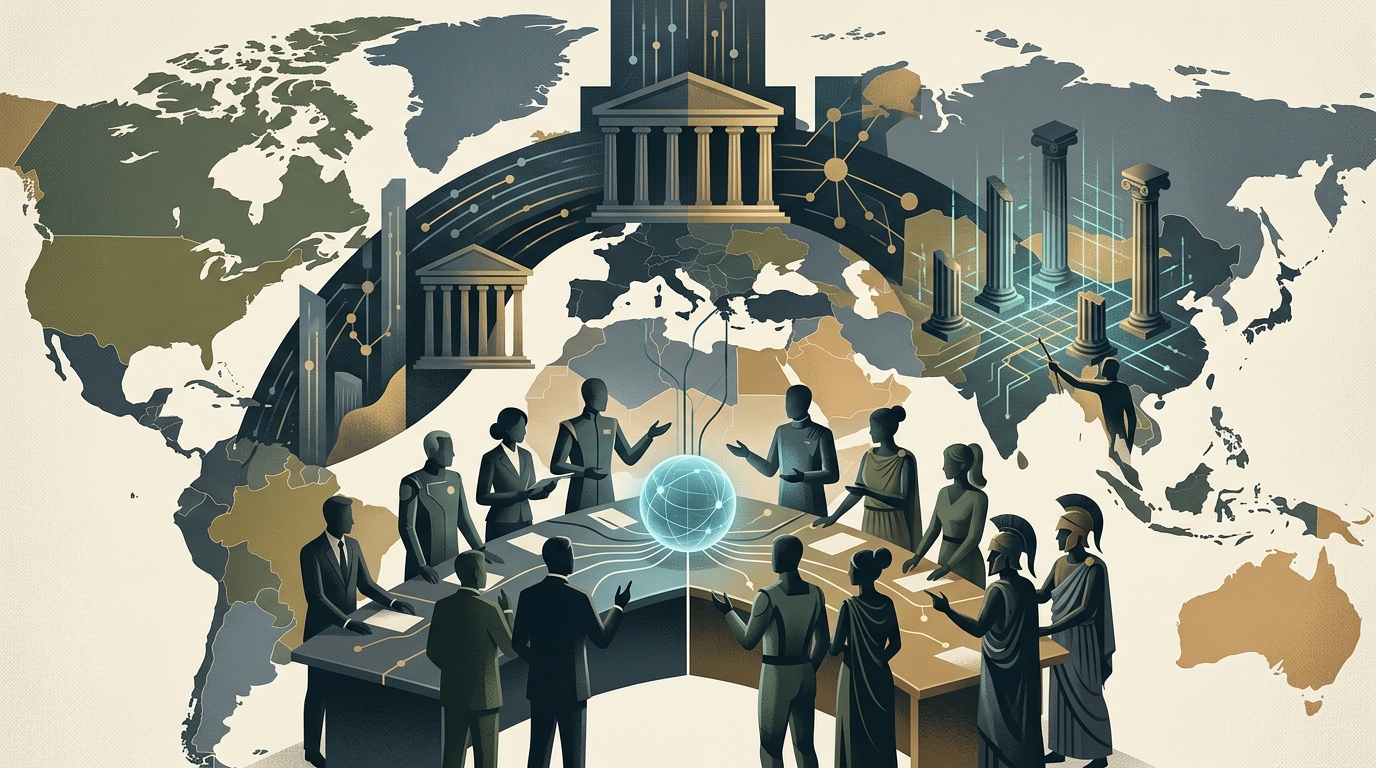
The year 2026 marks the end of American unipolarity in AI. The infiltration of Chinese models into the U.S. market proves that innovation is a fluid that always finds a way, despite geopolitical barriers. For businesses, the choice is practical. For nations, it is a lesson in the limits of economic power in the age of digital globalization. The stakes are no longer about who builds the largest model, but who dominates the ecosystem that utilizes it.