In a move that redefines the boundaries between technological innovation and national security, the United States government has reportedly exerted significant pressure on Anthropic, one of the world's leading AI laboratories, to drastically restrict global access to its most sophisticated models. The news, emerging from reports cited by Al Jazeera, is not merely a corporate directive; it is a clear signal that Washington now views neural networks as 'dual-use' strategic assets, comparable to nuclear secrets and advanced weaponry.
From Hardware to Software: The Shift in Regulatory Focus
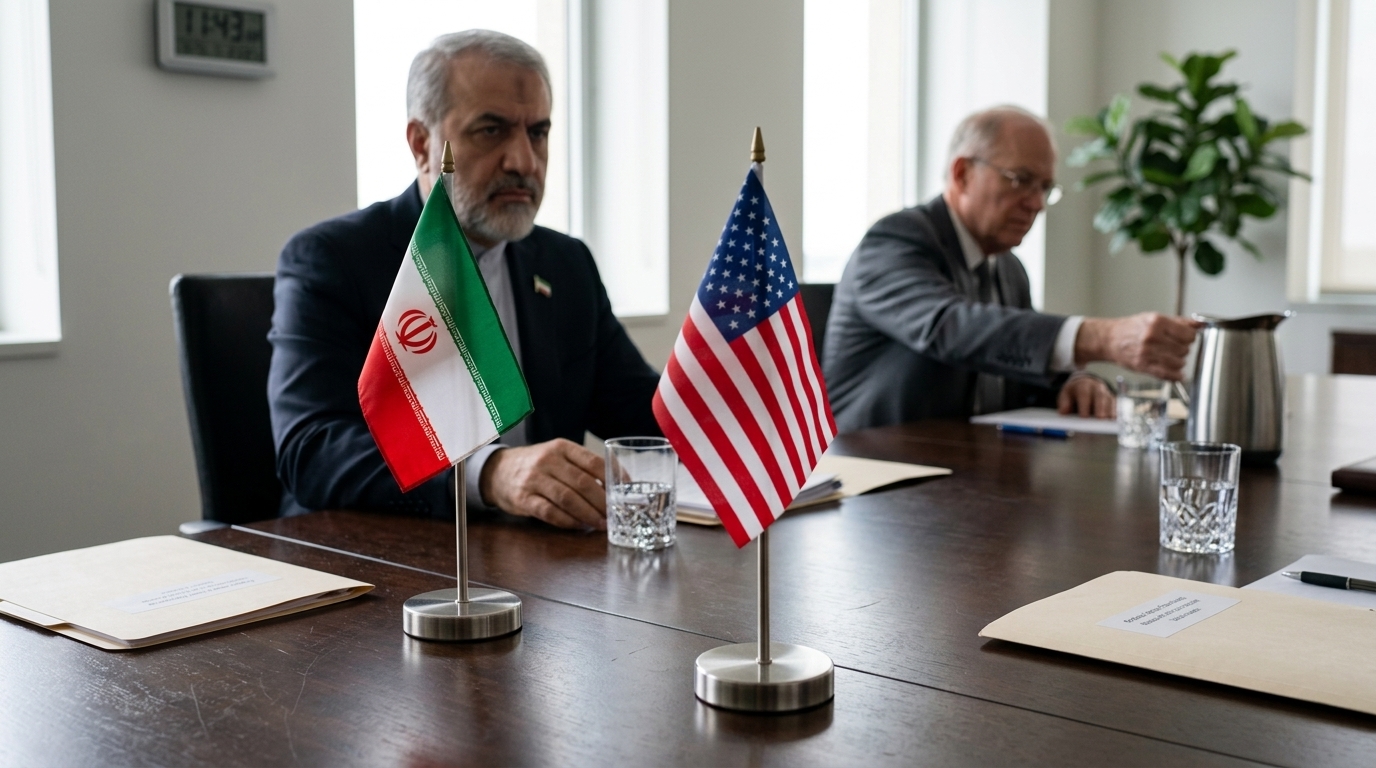
Until recently, the US strategy to contain its adversaries—primarily China, Russia, and Iran—focused almost exclusively on hardware. Export restrictions on Nvidia’s high-end GPUs and ASML’s photolithography machines were the primary levers of power. However, the Anthropic case reveals a new reality: controlling the chips is insufficient if an adversary can access the 'cognitive capabilities' of a model via the cloud. Anthropic, renowned for its commitment to 'Constitutional AI' and safety, now finds itself in the crosshairs of regulators who fear that the power of its Claude models could be weaponized for biological warfare or large-scale cyber operations.
This intervention underscores a growing consensus in Washington that Large Language Models (LLMs) have transcended their role as productivity tools. In the hands of a malicious state actor, a model’s ability to synthesize complex data regarding pathogens or identify vulnerabilities in critical infrastructure represents an existential threat. Consequently, the US Department of Commerce is exploring stringent rules that would require AI firms to obtain export licenses even for providing API access to specific geographic regions, effectively treating software weights as restricted munitions.
Anthropic’s Dilemma and the Risk of a 'Digital Iron Curtain'
For Anthropic, which has secured billions in investment from giants like Amazon and Google, this demand creates a profound commercial and ethical quandary. On one hand, the company strives to remain at the forefront of the global market. On the other, its reliance on American infrastructure and regulatory frameworks makes it susceptible to political mandates. Imposing access restrictions could lead to a fragmented market, where the 'Global South' or geopolitical rivals turn to alternatives—either open-source models or technologies developed in China.
This trend points toward what analysts call the 'Splinternet of AI.' If access to premier knowledge and processing power is limited only to US-aligned nations, the gap between technologically advanced and developing nations will widen dangerously. Furthermore, there is a risk that these restrictions might prove futile. The leakage of model weights or the use of sophisticated 'jailbreaking' techniques could allow adversaries to bypass controls, leaving American companies with diminished revenue and the rest of the world with less safe, unregulated tools.
Global Reaction and the Future of Innovation
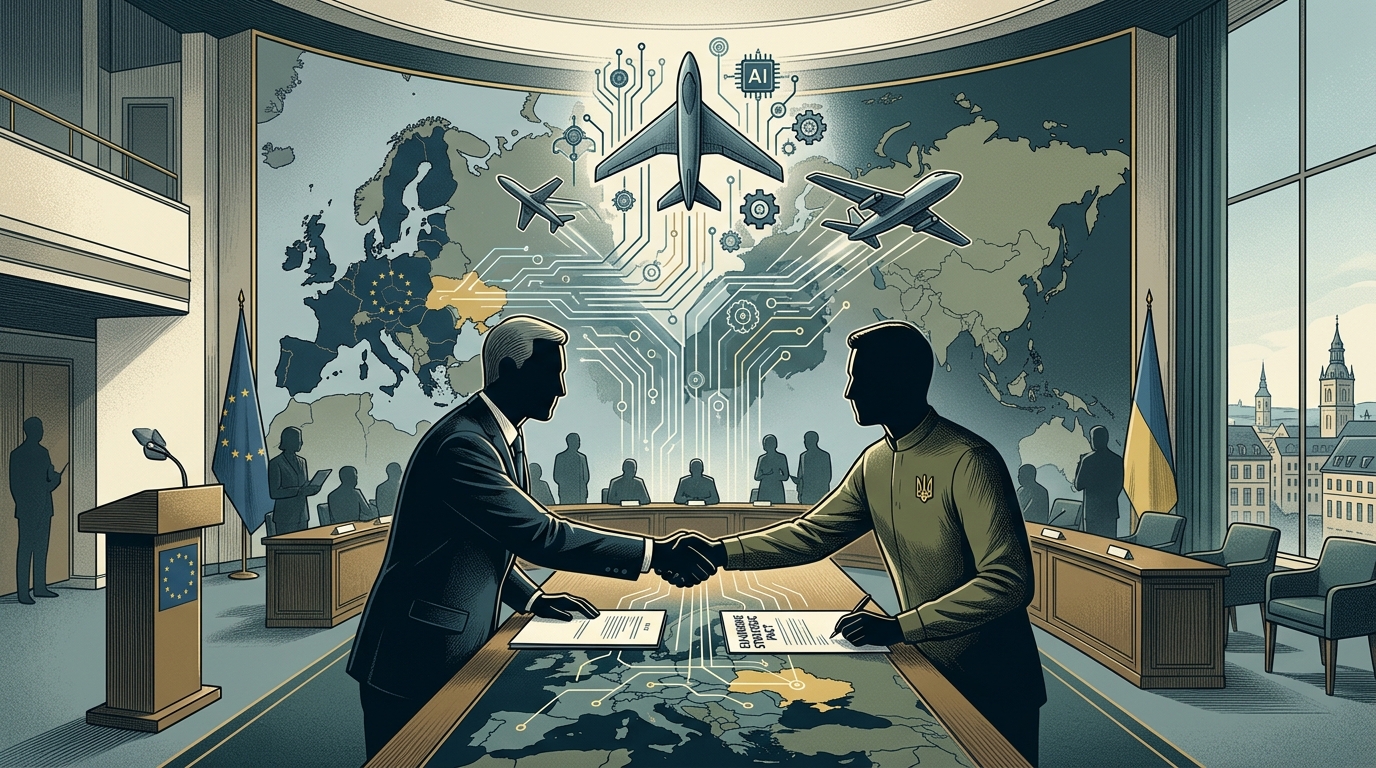
This development has not gone unnoticed by the European Union and other international bodies. While the EU focuses on regulation via the AI Act to protect fundamental rights, the US appears to be prioritizing a doctrine of 'national power.' Al Jazeera highlights that this approach could be perceived as a form of 'digital colonialism,' where a superpower decides who is entitled to use the tools of the future. Anthropic, in its official stances, has emphasized the necessity of safety, but the pressure from Washington is forcing it to become a de facto instrument of American foreign policy.
In conclusion, the Anthropic case is a harbinger of a new era where AI will be judged not just by its performance on benchmarks, but by the passport of its creator. Geopolitics has definitively invaded the laboratories of Silicon Valley, and the consequences of this invasion will determine the global balance of power for decades to come. The question remains: will the security the US seeks be achieved through exclusion, or will this exclusion merely accelerate the development of uncontrolled and potentially more dangerous rival systems?