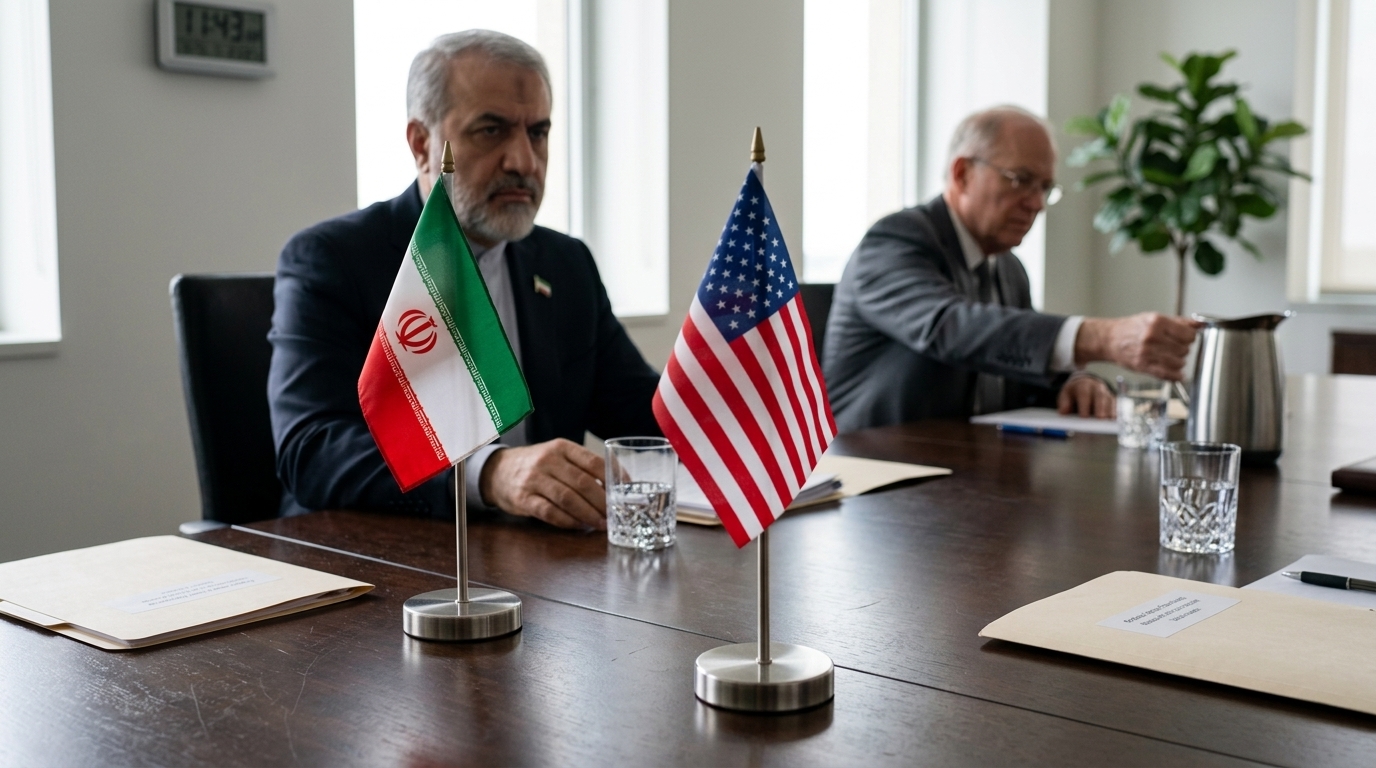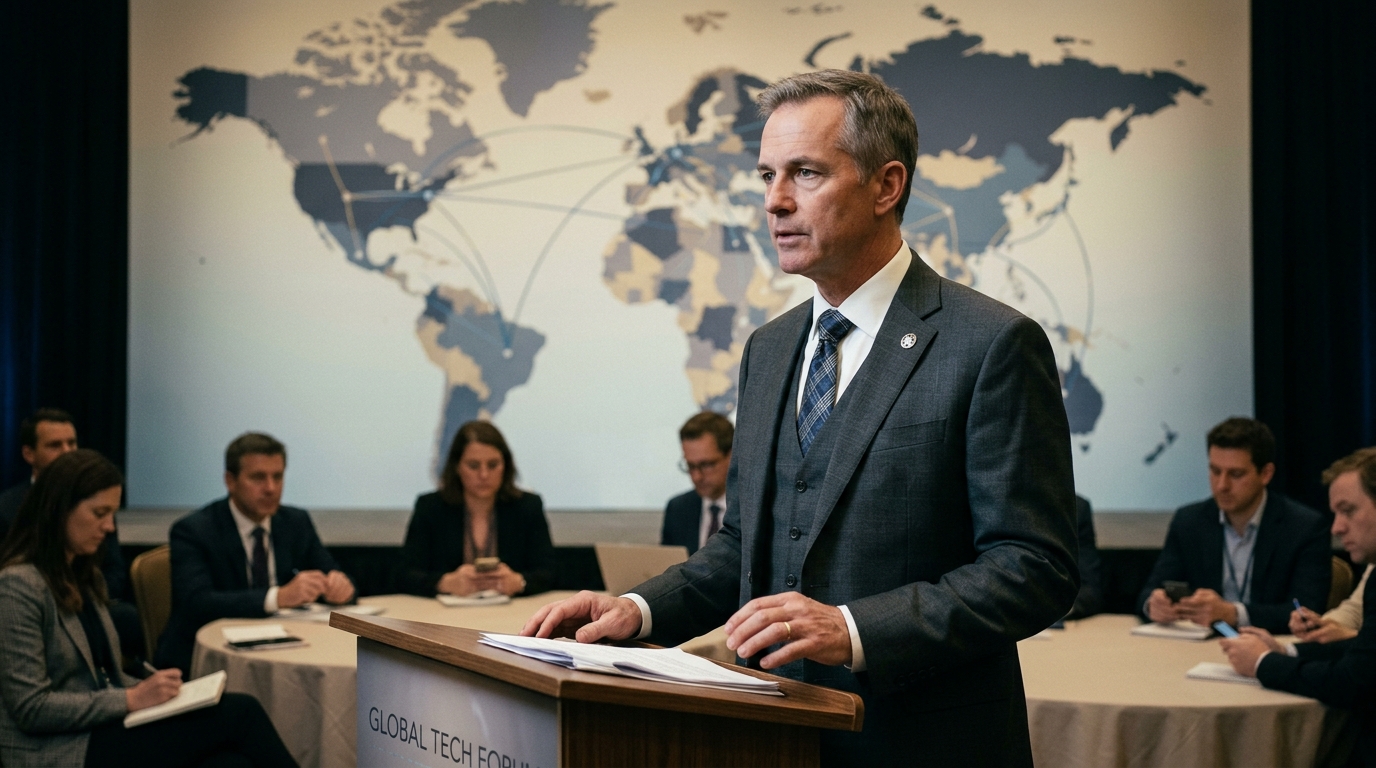
In the heart of Central Asia, where nomadic traditions intersect with 21st-century geopolitical ambitions, Ulaanbaatar transformed in June 2026 into the epicenter of global diplomacy. The "Security and Artificial Intelligence" summit was not merely another international gathering; it was a response to the escalating concern that technological advancement has long outpaced diplomatic regulatory capacity. The choice of Mongolia as a host was no accident. Under its "Third Neighbor" policy, the country seeks to balance relations between Russia, China, and the West, offering a rare neutral ground for talks that might otherwise have collapsed.
The Challenge of Lethal Autonomous Weapons Systems (LAWS)
The central issue dominating the discussions was the integration of AI into Lethal Autonomous Weapons Systems (LAWS). As 2026 finds the world in a state of "technological cold war," the need for an international code of ethics has become imperative. Delegations from Washington, Beijing, and Brussels faced a fundamental dilemma: how can you restrict a technology that is inherently dual-use?
Analysts point out that, unlike nuclear weapons, AI does not require massive enrichment facilities visible from satellites. Algorithm development can happen in a simple office. In Ulaanbaatar, a system of "digital verification" was proposed for the first time, where international observers would have access to the data centers of major powers to ensure that AI is not used for nuclear strike decisions without a human-in-the-loop.
The Geopolitics of the "Third Neighbor"
Over the last decade, Mongolia has developed a highly sophisticated diplomatic strategy. As a landlocked democracy between two authoritarian giants, it has learned to survive through multilateralism. At the 2026 summit, the Mongolian President emphasized that AI must not become the new tool of colonialism, where a few countries possess the knowledge and the rest are mere consumers or data sources.
- The need for transparency in algorithms used in border controls.
- The creation of a global AI observatory under the auspices of the UN.
- Protection of critical infrastructure from AI-enhanced cyberattacks.
The European Union, represented by a formidable team of diplomats, pushed for the adoption of a human-rights-based model, similar to the AI Act but on a global scale. However, resistance from the US and China remained strong, as neither side wishes to cede the strategic advantage provided by the processing speed of algorithms in military operations.
Searching for Common Ground: The Ulaanbaatar Declaration
After ten days of grueling negotiations, the summit culminated in what was termed the "Ulaanbaatar Declaration." Although not legally binding, it represents the first serious attempt to establish "red lines."
"Artificial Intelligence must remain a tool of human will and not a substitute for moral responsibility,"the text states. The declaration includes commitments against using AI in autonomous nuclear platforms and the creation of a "red line" hotline to prevent accidents caused by algorithmic errors.
For the international community, these developments are of immediate interest. The security of maritime routes and the management of migration flows increasingly depend on automated systems. Participation in such international forums is essential to ensure that smaller powers are not presented with a fait accompli in a world governed by algorithmic "black boxes."
Conclusion: A Small Step in a Long Journey
The Ulaanbaatar 2026 summit did not solve the problem of AI security, but it achieved something equally significant: it brought adversaries to the same table. In a world that feels increasingly fragmented, the search for common ground in the Gobi Desert reminds us that technology, no matter how advanced, remains a human creation requiring human wisdom to avoid catastrophe. History will show whether the Ulaanbaatar Declaration will be the "Magna Carta" of the digital age or merely a wish list forgotten in the next crisis.