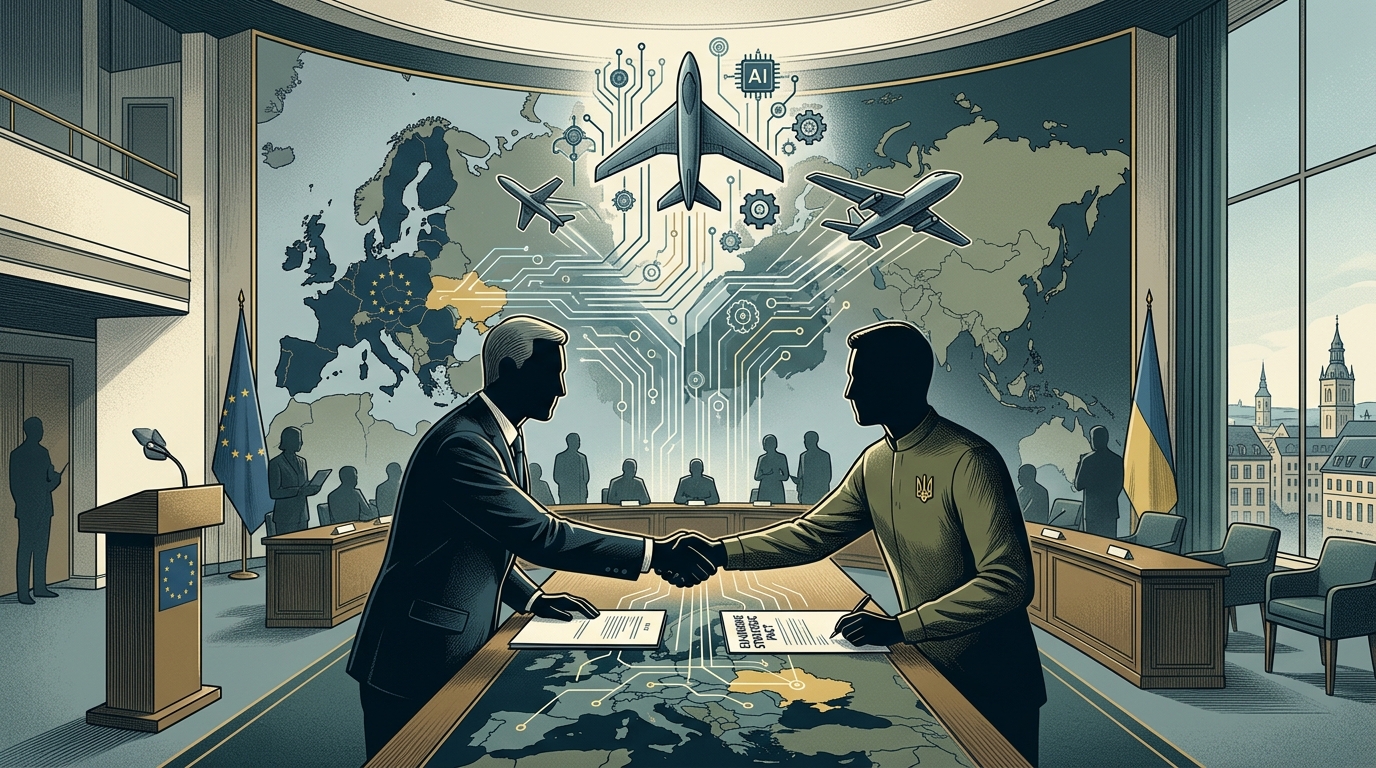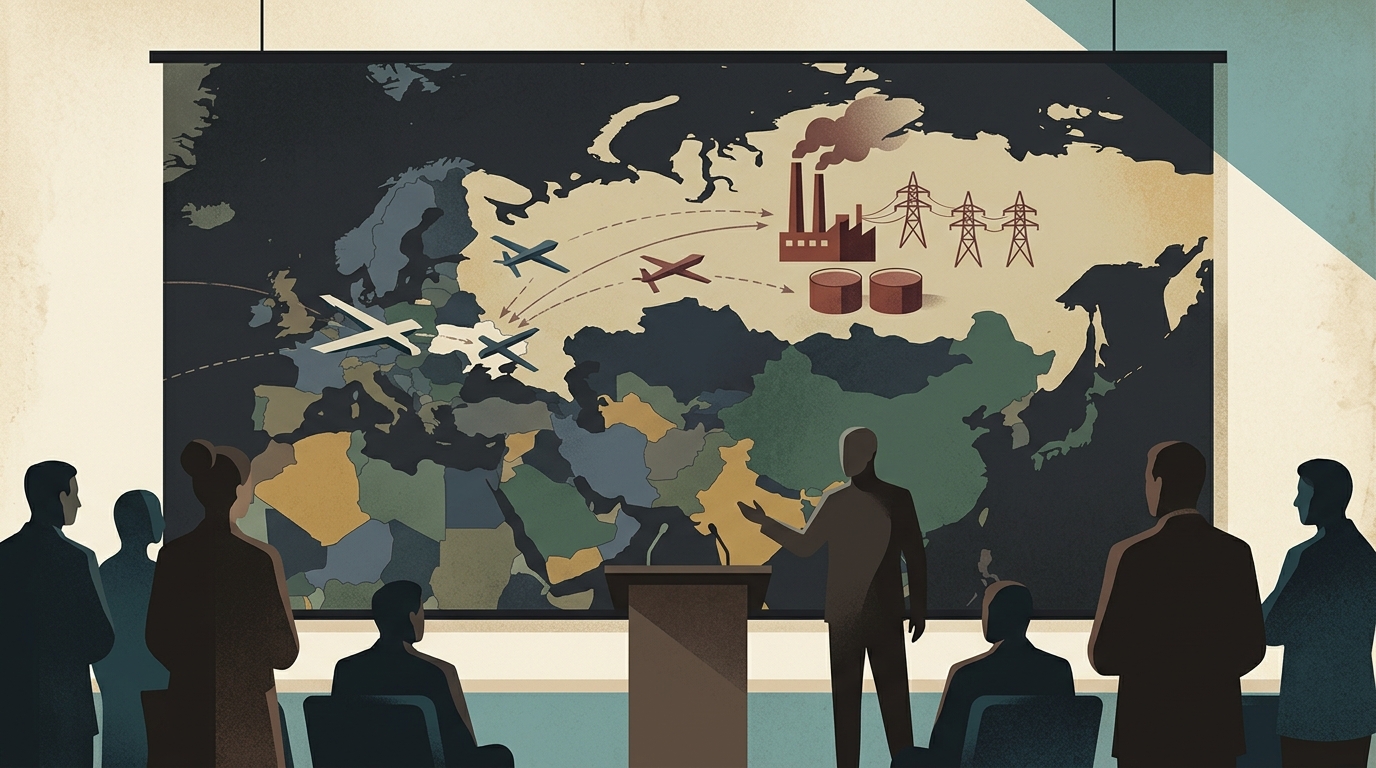
The conflict in Ukraine has entered a new, more sophisticated phase where the front lines are no longer confined to the mud of the Donbas but extend hundreds of kilometers deep into Russian territory. Recent drone strikes targeting industrial facilities in Tula and Yaroslavl are not merely isolated incidents; they are part of a broader, strategic blueprint by Ukraine to hollow out the Russian war effort at its source.
Targeting the Chemical Industry in Tula
The Tula region, historically renowned as the heart of the Russian arms industry, found itself in the crosshairs of Ukrainian forces, specifically targeting the Aleksinsky Chemical Plant. Reports indicate that this facility is not just a producer of general-purpose chemicals but a critical node in the production chain of gunpowder and explosives for the Russian military. The strategic importance of such a plant is immense: without a steady flow of explosives, Russia’s artillery superiority—the backbone of its offensive power—is directly jeopardized.
These strikes demonstrate Ukraine's growing capability to penetrate Russian air defense networks. Despite their density, these systems appear to struggle against swarms of small, low-cost drones flying at low altitudes. Utilizing domestically produced drones allows Kyiv to bypass restrictions imposed by Western allies regarding the use of long-range weapons inside Russian territory, effectively creating an autonomous strategic strike capability.
Energy Infrastructure: Yaroslavl Under Pressure
Parallel to the strikes in Tula, fuel facilities in Yaroslavl were also targeted, resulting in fires and operational disruptions. Yaroslavl hosts one of Russia’s largest refineries, which supplies not only the domestic market but also the military units operating in Ukraine. Targeting energy infrastructure is a classic tactic of asymmetric warfare, aimed at creating supply chain bottlenecks and increasing the maintenance costs of the war machine.
- Disruption of fuel production for military logistics.
- Economic attrition through the destruction of high-value infrastructure.
- Psychological pressure on the Russian populace as the war reaches their doorstep.
These attacks force Moscow into a difficult dilemma: redeploying S-400 and Pantsir air defense systems from the front lines to the interior, thereby weakening the protection of its troops in occupied territories. It is a game of "cat and mouse" where the defender must be strong everywhere, while the attacker only needs to find one point of failure.
Ukraine’s Technological Autonomy
One of the most compelling aspects of these operations is the evolution of Ukrainian drone technology. Kyiv has invested billions into developing unmanned systems, such as the "Lyutyi" drone, which boasts a range exceeding 1,000 kilometers. This "democratization" of air power allows a nation without a massive conventional air force to conduct strategic bombing campaigns at a fraction of the cost of traditional missiles.
"Ukraine is no longer waiting for permission to defend itself. It is creating its own tools to bring the cost of the war to the very places where decisions are made," says a defense analyst.
Russia, in turn, attempts to respond with its own swarms of drones (like the Shahed type) and missile strikes. However, Ukrainian targeting appears more selective and strategically focused on industrial hubs that are difficult to replace. Destroying a chemical reactor or a fuel distillation unit requires months, if not years, to repair—especially under international sanctions that limit access to high-tech components.
Conclusion and Outlook
The strikes on Tula and Yaroslavl signal a permanent shift in the geography of the conflict. Russia can no longer view its rear areas as safe havens. As Ukraine ramps up drone production and improves strike precision, the pressure on Russian industry will only intensify. The international community watches closely as this form of warfare redefines the rules of strategic deterrence in the 21st century. The question is no longer whether Ukraine can strike Russia, but how frequently and at what cumulative cost to the Russian economy.