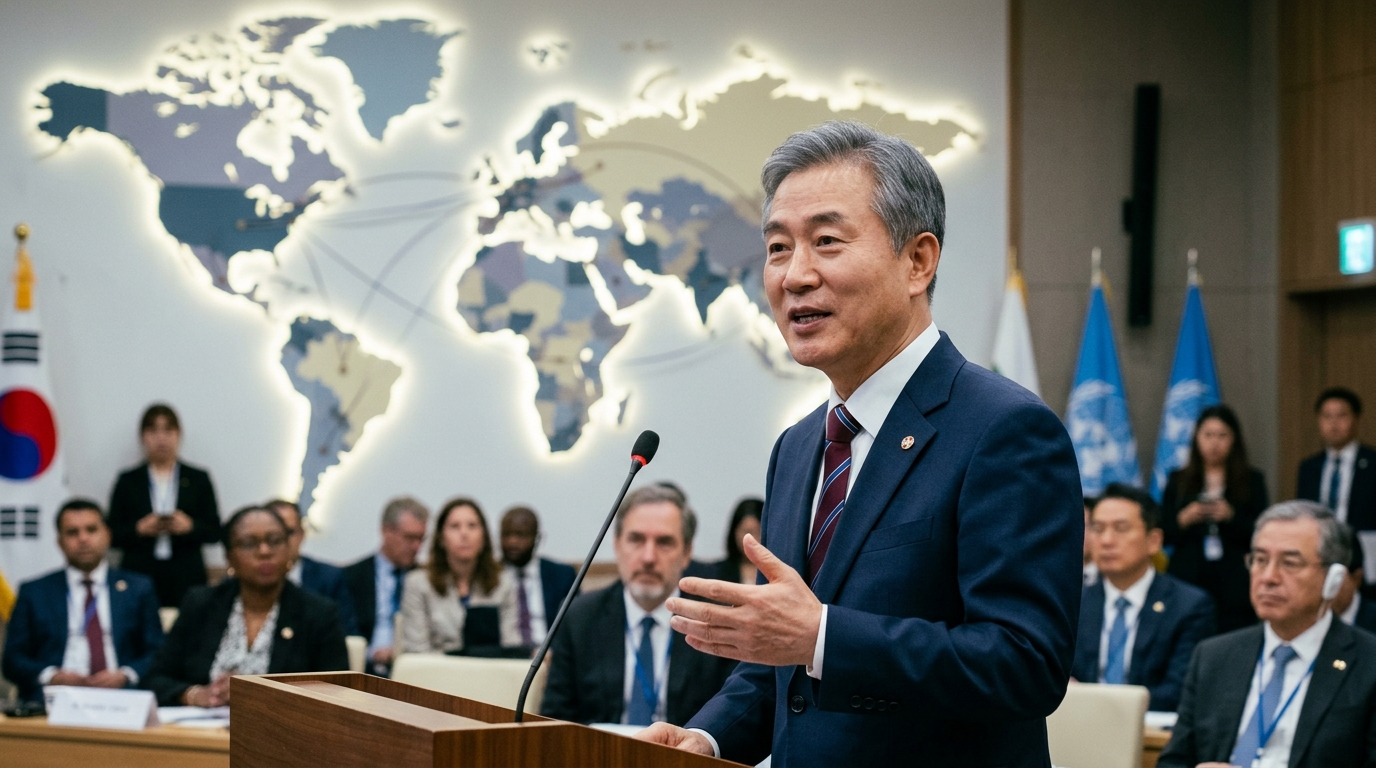
In a move described as a "seismic shift" for global energy markets, the United Arab Emirates (UAE) has announced its withdrawal from the Organization of the Petroleum Exporting Countries (OPEC) and the wider OPEC+ alliance. This historic decision ends six decades of membership and signals a radical pivot in Abu Dhabi's national strategy, prioritizing a "UAE First" doctrine over traditional Arab oil solidarity.
The Strategy of Independence
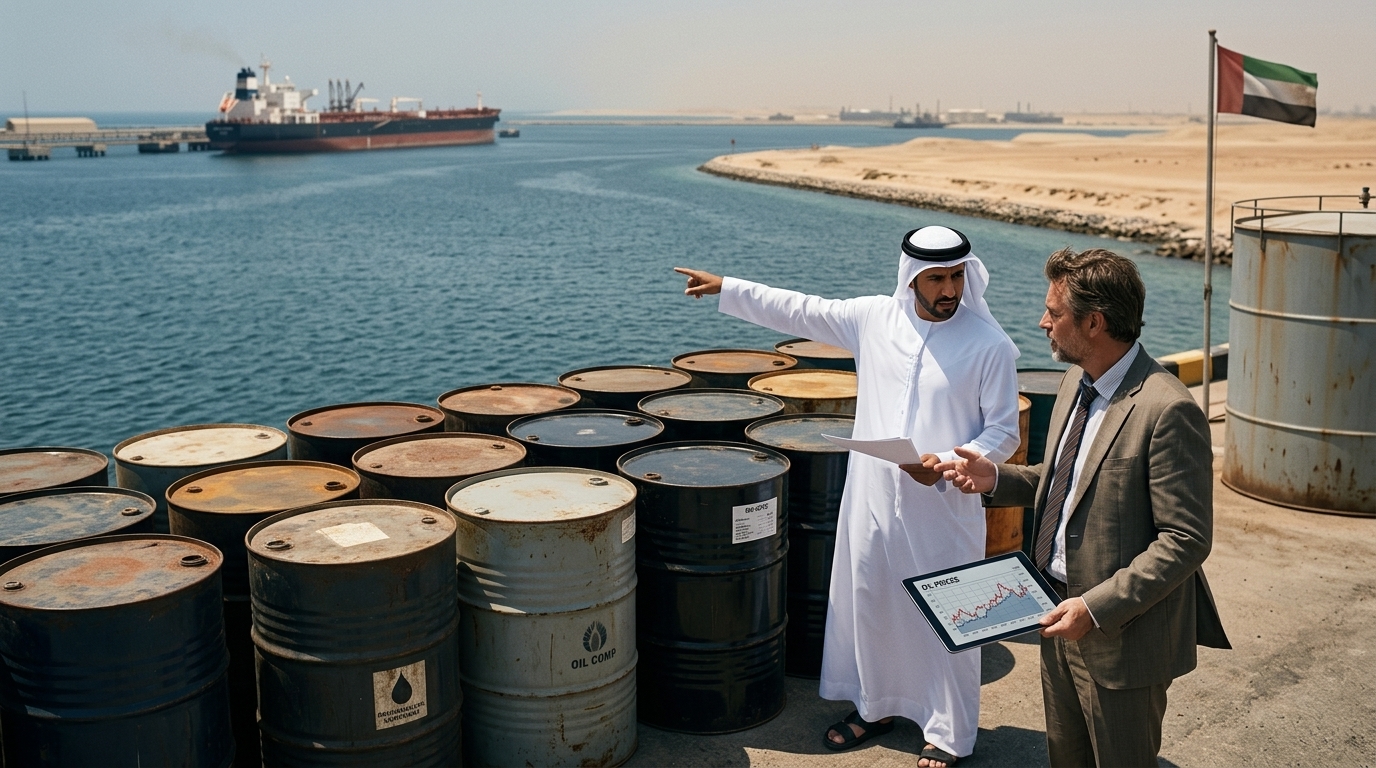
The departure did not come as a surprise to close observers of the geopolitical chessboard. For years, tensions between the UAE and Saudi Arabia had been simmering. Abu Dhabi has invested billions of dollars through its state-owned company, ADNOC, to boost its production capacity to 5 million barrels per day. However, OPEC+ quotas, designed to keep prices high, prevented the Emirates from fully monetizing these investments. The UAE leadership appears to have concluded that the era of oil is nearing its twilight due to the green transition, and their strategy is now to maximize revenue "here and now."
The Rift with Riyadh and the Role of MbZ
This move also reflects the deepening geopolitical divergence between UAE President Sheikh Mohammed bin Zayed (MbZ) and Saudi Crown Prince Mohammed bin Salman (MbS). Once considered close allies, the two leaders are now competing for economic hegemony in the region. The UAE seeks to establish itself as a global hub for trade, technology, and tourism, independent of Riyadh's dictates. Leaving OPEC is the final act of emancipation for Emirati foreign policy, which is now moving toward a free-market logic similar to that of non-cartel nations like Norway or Canada.
"This is not just a disagreement over prices; it is a fundamental reassessment of what national sovereignty means in the 21st century," says a senior diplomat in the region.
Market Implications and Price Volatility
The immediate impact on international oil prices is expected to be significant. Without OPEC's constraints, the UAE is free to flood the market with cheaper oil, potentially triggering a new price war. For Western consumers, this might mean relief at the gas pump, but for OPEC+'s cohesion, it is a fatal blow. If other countries like Kuwait or Iraq follow the UAE's lead, the organization that has defined the global economy since 1960 faces total collapse. Furthermore, this move complicates relations with Russia, which relied on OPEC+ to maintain high prices and fund its military efforts.
The Green Transition as a Catalyst
Finally, the climate dimension cannot be overlooked. Having hosted COP28, the UAE is well aware that the window of opportunity for oil is closing. Their strategy is to be the "last producer standing," offering the lowest-cost and least carbon-intensive oil to the market. By exiting OPEC, they gain the flexibility to negotiate directly with major consumers like China and India, securing market shares for the coming decades while the rest of the world attempts to decouple from fossil fuels.
- The UAE's exit reduces the collective bargaining power of the Arab bloc in international negotiations.
- ADNOC is expected to accelerate exports of Murban crude, which has become an increasingly important benchmark.
- This move may trigger a chain reaction among other member states feeling constrained by quotas.
In conclusion, April 29, 2026, will be recorded in history as the day when the unity of oil-producing nations was sacrificed on the altar of national economic realism. The world is entering a period of energy uncertainty where the old rules of cartels no longer apply.