As we navigate through May 2026, the global economic stage feels like a haunting echo of a turbulent past, albeit with a heightened intensity that sends shivers through European boardrooms. The return of Donald Trump to the White House has brought not just a shift in political rhetoric, but a fundamental restructuring of transatlantic relations. The "America First" doctrine has evolved into an aggressive "Comply or Tariff" strategy, forcing the European Union into a corner of unprecedented strategic difficulty.
The Return of the 'Tariff Man'
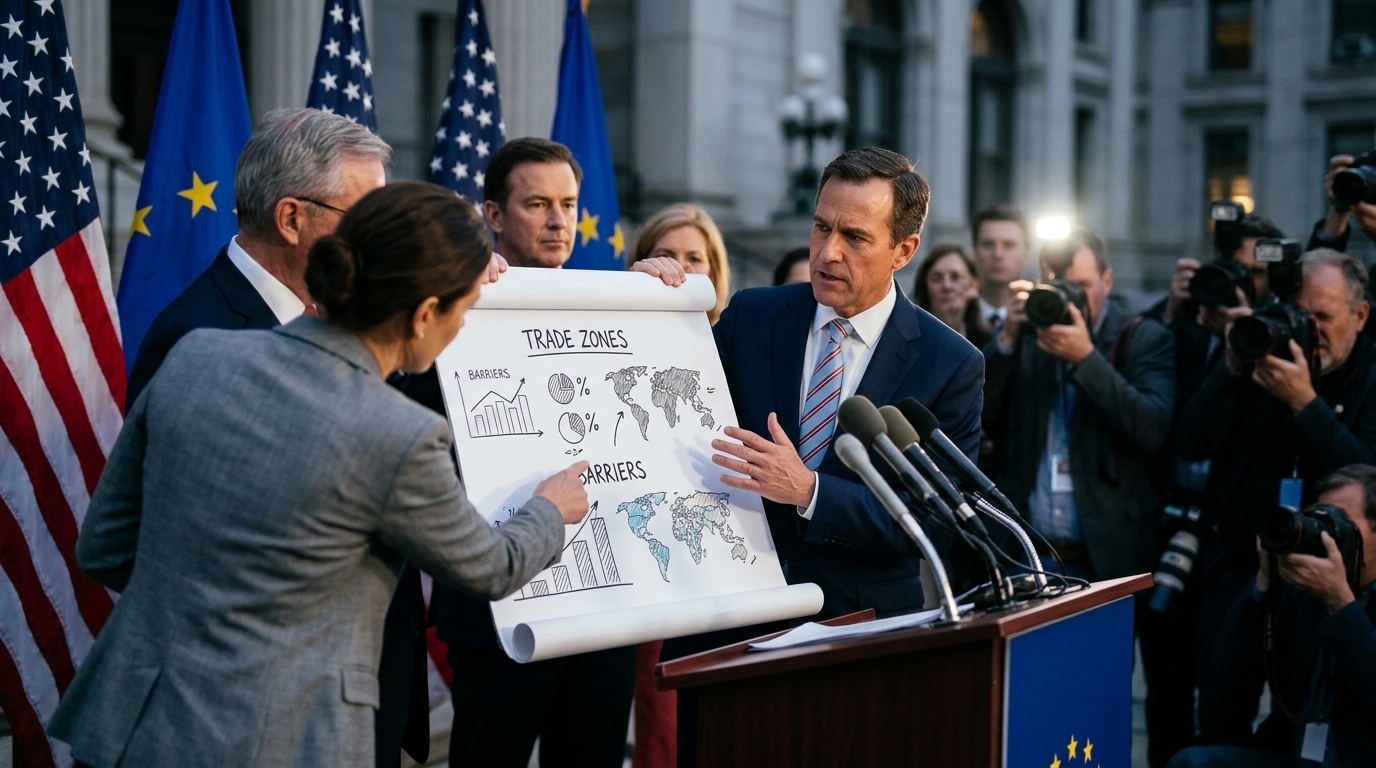
The central premise of the new US administration is as simple as it is terrifying for Brussels: a universal baseline tariff of 10% to 20% on all imports, including those from long-standing allies. For the EU, which exports hundreds of billions of dollars worth of goods to the US annually—from German automobiles to Italian luxury items and Greek agricultural products—this represents an existential threat. Analysts estimate that such a tariff could shave at least 1% off the Eurozone's GDP annually, potentially triggering a prolonged period of stagflation.
Washington argues these tariffs are essential for rectifying trade imbalances and revitalizing American manufacturing. In reality, however, they function as a geopolitical lever designed to force the EU into alignment with US positions on critical issues, such as the containment of China and the dismantling of regulatory barriers facing American tech giants.
The Climate and Energy Schism
A primary point of contention is the EU's Green Deal. While Brussels doubles down on its Carbon Border Adjustment Mechanism (CBAM)—essentially a carbon tax on imports from countries with laxer environmental standards—the Trump administration views it as "disguised protectionism." Having once again withdrawn from international climate accords, the new US leadership is prioritizing fossil fuel production and demanding that Europe purchase more American Liquefied Natural Gas (LNG) at preferential rates, threatening retaliation if CBAM is applied to US industrial goods.
- Steel and aluminum tariffs remain the primary friction point in diplomatic negotiations.
- Europe is forced to choose between its ambitious climate agenda and economic stability.
- Energy blackmail returns to the forefront, this time originating from the West.
Technology and AI as the New Battlefield
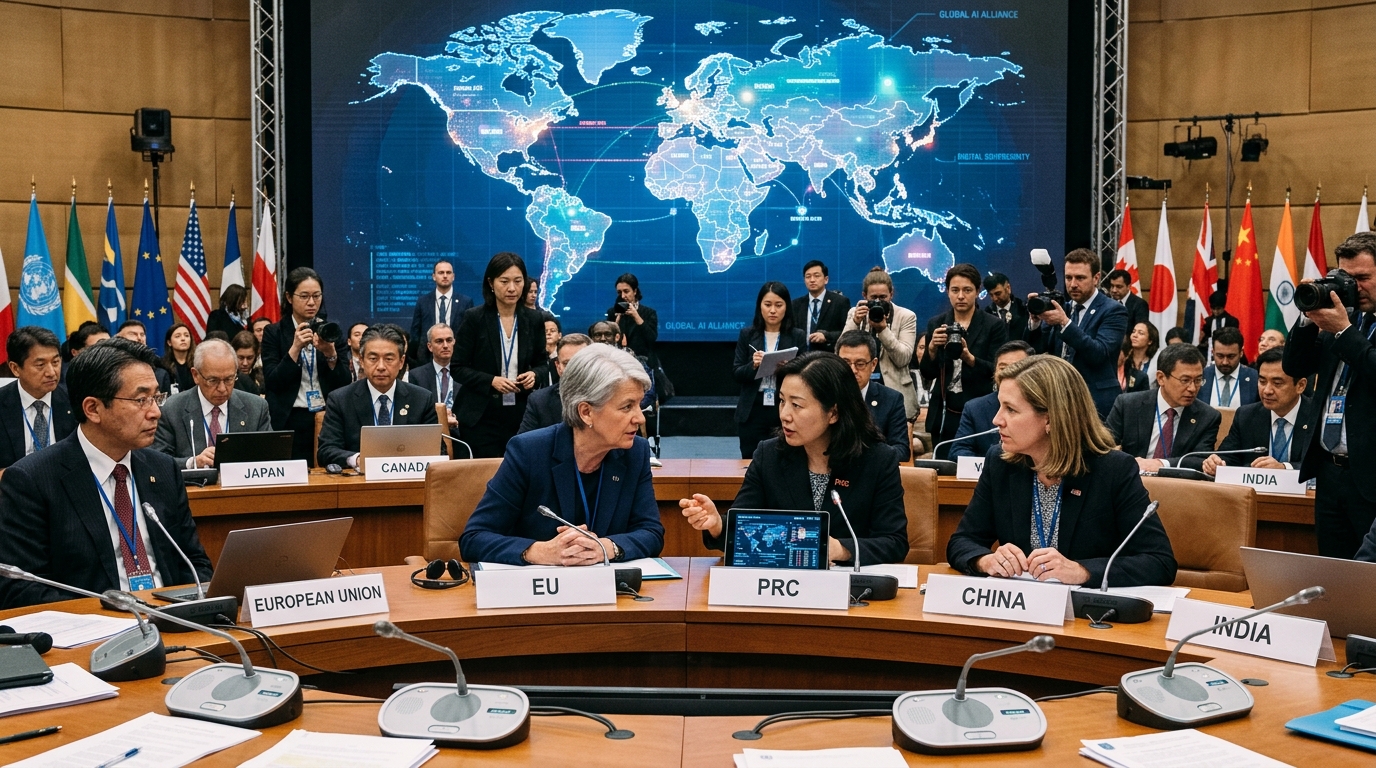
The conflict extends far beyond industrial goods. Technology has become the new frontline. The European AI Act and digital services taxes implemented by nations like France and Spain have infuriated the White House. Trump has made it explicitly clear that any attempt to regulate or tax the dominance of Silicon Valley will be met with targeted tariffs on iconic European exports, such as wine, spirits, and luxury handbags.
"Europe must understand that it cannot weaponize its regulations against American companies while simultaneously expecting us to guarantee its security and territorial integrity," a senior State Department official recently remarked.
Brussels' Response: Strategic Autonomy or Capitulation?
The EU finds itself in a precarious position. Germany, the continent's economic engine, is uniquely vulnerable due to its heavy reliance on export markets. France, conversely, is pushing for a more robust response through "strategic autonomy," suggesting the imposition of European counter-tariffs. However, the lack of consensus within the bloc is paralyzing. Eastern European nations, heavily dependent on US military protection against regional threats, are reluctant to engage in a trade war with Washington.
2026 is shaping up to be the year of reckoning. If the EU fails to find a unified voice against Trump's protectionist surge, it risks being relegated to a secondary player on the global stage, squeezed between two superpowers—the US and China—that play by their own rules. The consensus that once underpinned the transatlantic alliance has fractured, and the pressure for "compliance" from Washington may prove to be the ultimate test for European cohesion.