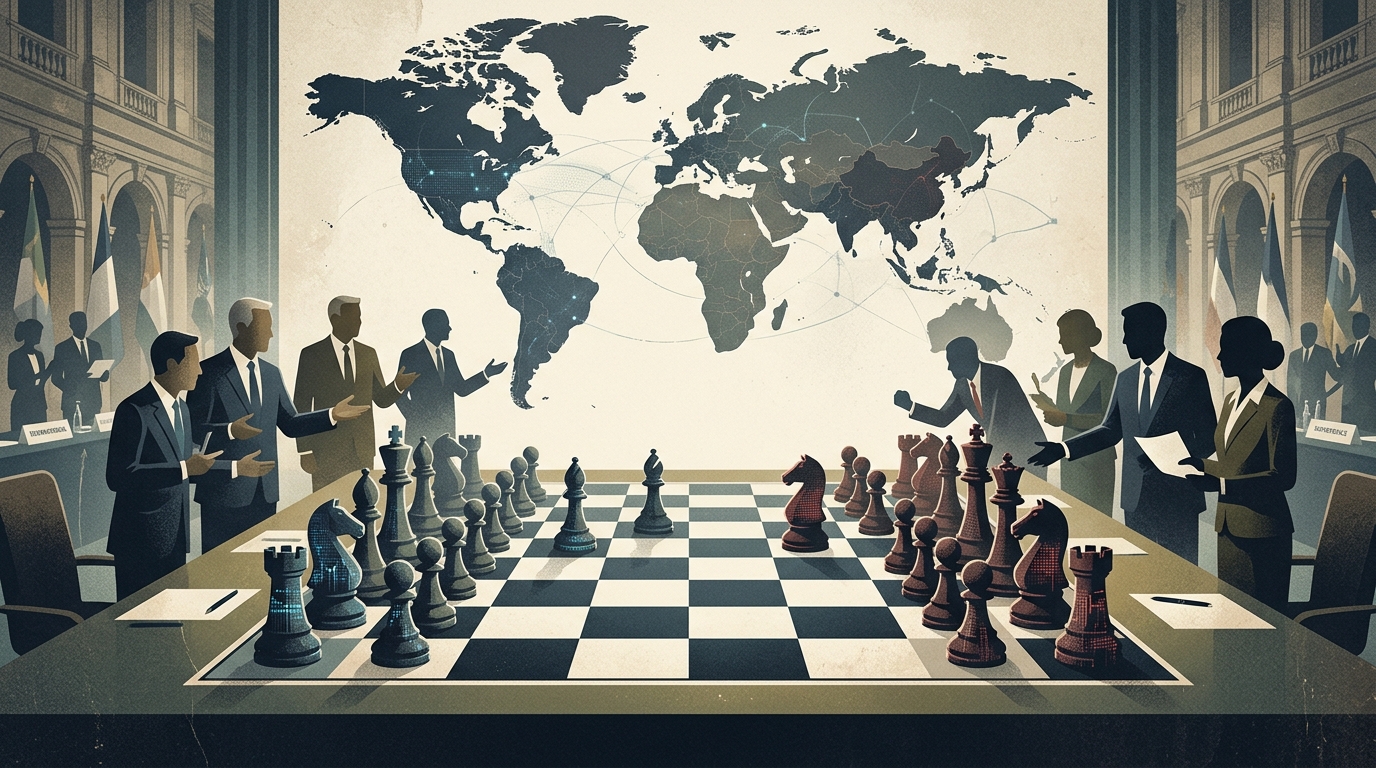
The global economy stands on the precipice of a fundamental shift as the rhetoric of the "Tariff Man" returns to the forefront of American politics. The proposal for universal baseline tariffs of 10-20% on all imports, with the prospect of reaching 60% or more for Chinese goods, is not merely a campaign promise; it is a strategic choice that threatens to dismantle the architecture of globalization as we have known it for the past three decades.
The Architecture of Protectionism
The underlying logic of tariffs is to bolster domestic manufacturing and reduce the U.S. trade deficit. However, their implementation functions as an indirect tax on American consumers. When companies like Apple or Walmart import goods, the cost of the tariff is inevitably passed down to the final price on the shelf. This creates an immediate risk of inflationary pressure at a time when the Federal Reserve is desperately trying to stabilize prices.
Major retail chains have already begun warning of price hikes on essential items, from apparel to electronics. Data analysis suggests that lower-income households will be disproportionately affected, as they spend a larger percentage of their earnings on imported consumer goods.
The Losers: From Wolfsburg to Shenzhen
The primary loser in this scenario is undoubtedly China, which sees its "export-led growth" model facing a critical threat. However, Europe—and specifically Germany—is also in a precarious position. The German automotive industry, already reeling from the energy crisis and the rise of electric vehicle competition, could see its profit margins evaporate if tariffs are imposed on vehicles exported to the U.S.
- German Automakers: BMW, Volkswagen, and Mercedes-Benz rely heavily on the American market for high-margin sales.
- Tech Giants: Companies dependent on complex supply chains in Asia will see production costs skyrocket.
- European Luxury Goods: From French wines to Italian leather, tariffs will make European craftsmanship unaffordable for the average American household.
The Winners: The Rise of 'Friend-shoring'
Paradoxically, the trade war creates opportunities for other global players. Nations such as Vietnam, India, and Mexico are emerging as alternative manufacturing hubs. Mexico, in particular, due to the USMCA agreement, is well-positioned to replace a portion of Chinese imports, though the pressure for "Made in USA" production remains intense.
"This is no longer about free trade; it is about trade among friends and national security priorities," note Wall Street analysts.
Domestically within the U.S., the steel and aluminum sectors may see a temporary resurgence as foreign competition becomes prohibitively expensive. However, this advantage is often offset by the increased cost of raw materials for other U.S. industries that utilize these metals in their production processes.
Geopolitical Implications and Retaliation
The risk of a vicious cycle of retaliation is palpable. The European Union has already prepared lists of American products (ranging from Harley-Davidson motorcycles to Kentucky bourbon) to target with retaliatory tariffs. This fragmentation of global trade is leading to a new era of "economic nationalism," where efficiency is sacrificed for the sake of autonomy. The challenge for smaller EU economies, including Greece, will be navigating this hostile environment where WTO (World Trade Organization) rules appear to have been sidelined.