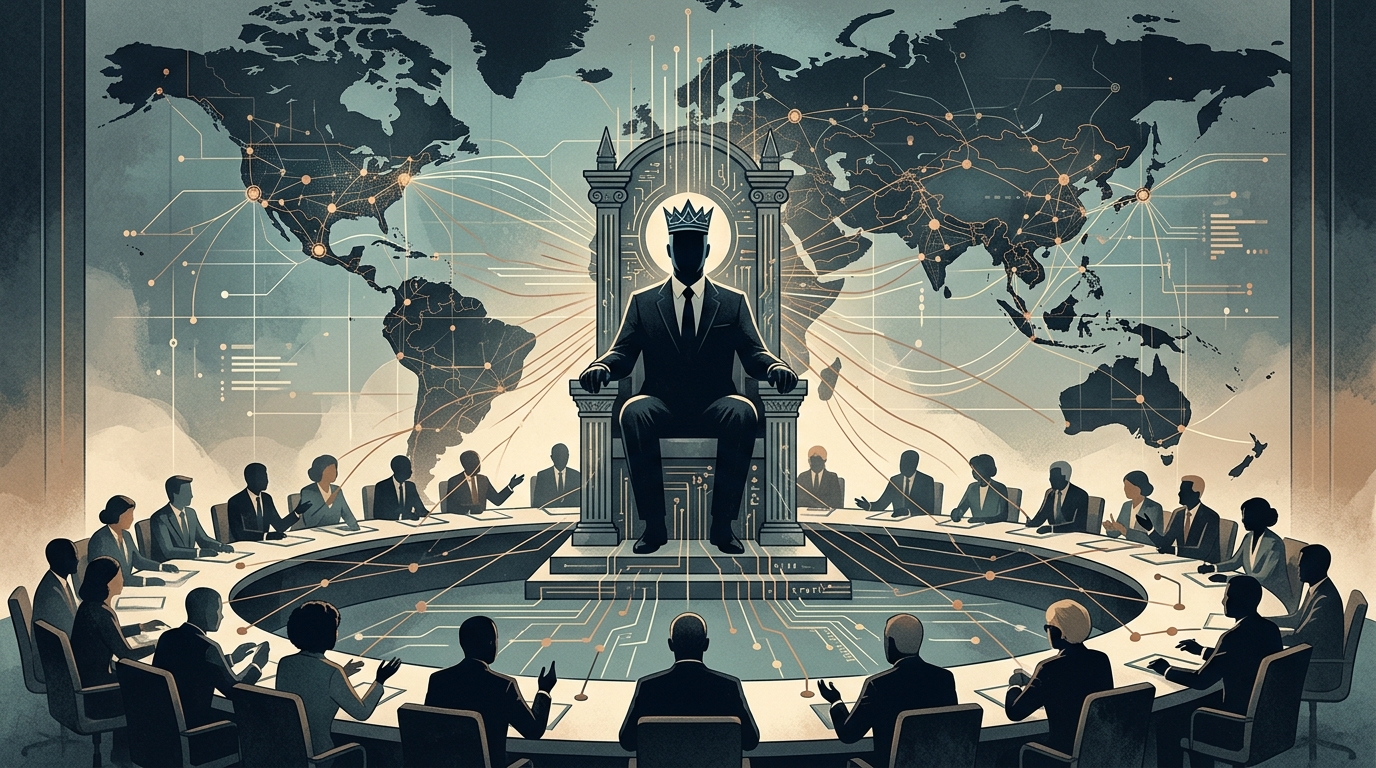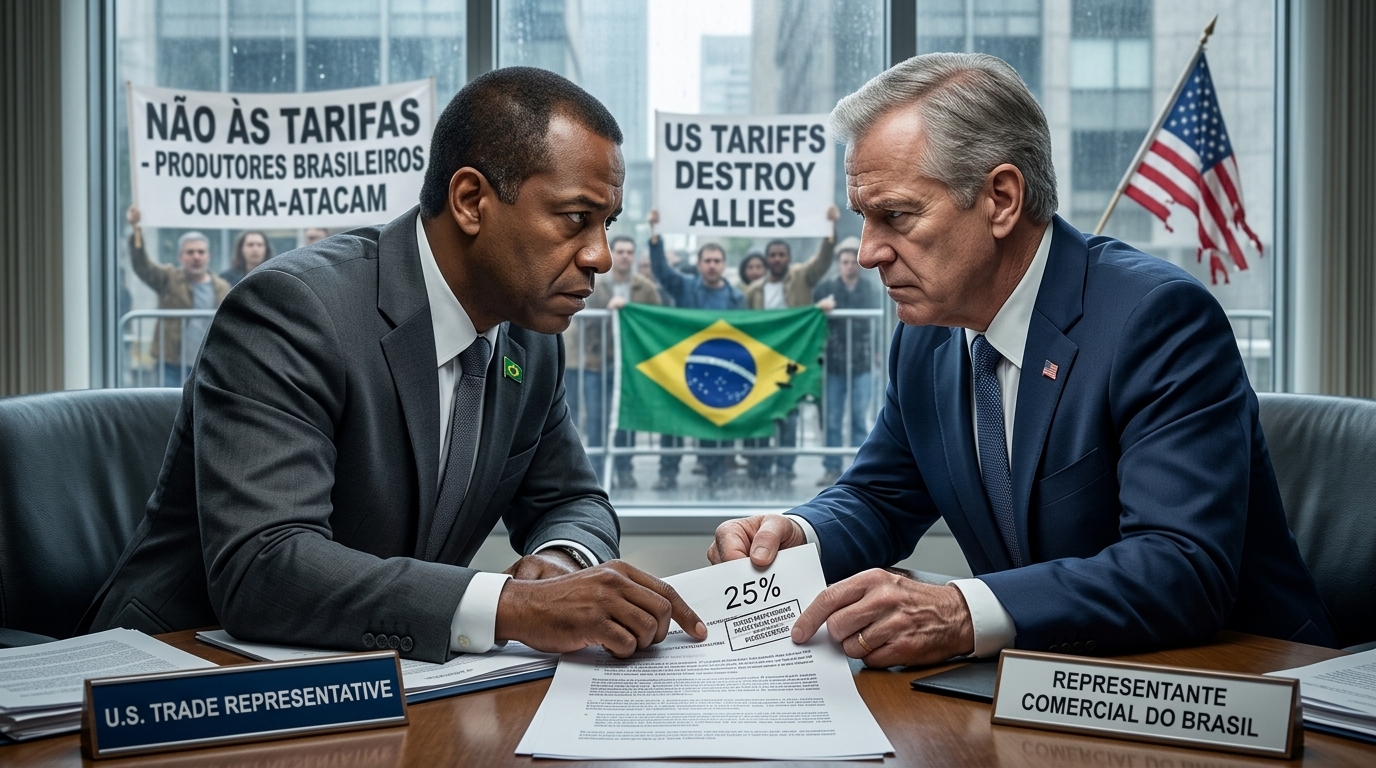
In a move reminiscent of the most intense protectionist days of his first term, President Donald Trump has announced a plan to impose 25% across-the-board tariffs on all Brazilian products entering the United States. This move, occurring amidst significant geopolitical shifts in June 2026, is not merely an economic decision but a clear signal to the BRICS alliance and nations choosing to deepen their ties with Beijing.
Washington's justification is rooted in what the White House terms "systemic unfair trade practices" and "currency manipulation" by the administration of Luiz Inácio Lula da Silva. However, analysts point out that the real cause lies deeper: China's growing influence in Latin America and Brazil's refusal to align with US-led sanctions against third-party nations.
The Economic Chessboard and Commodity Targeting
Brazil is one of the United States' most vital trading partners, exporting vast quantities of steel, aircraft (via Embraer), coffee, and agricultural products. The imposition of 25% tariffs is expected to send shockwaves through the supply chain, increasing costs for American consumers and industrial manufacturers. For instance, the US automotive industry, which relies heavily on Brazilian steel, will face a sharp rise in production costs, likely passing these expenses on to the end buyer.
On its part, Brasilia views this threat as a direct assault on its sovereignty. President Lula has already stated that Brazil will not remain passive and is considering countermeasures that could include restrictions on imports of US technology products and energy. This conflict threatens to torpedo years of diplomatic efforts aimed at stabilizing relations within the Western Hemisphere.
The China Connection and BRICS Dynamics
It is no secret that the Trump administration views Brazil as China's "Trojan Horse" in the Americas. With the strengthening of the BRICS+ block and ongoing discussions regarding the de-dollarization of trade, Washington feels it is losing control over its traditional "backyard." Tariffs are being used as leverage to force Brasilia to reconsider its strategic relationship with Beijing.
- Brazil is the largest supplier of soybeans to China, making it a central player in global food security.
- The use of the Yuan in bilateral Brazil-China transactions has frustrated the US Treasury.
- Infrastructure cooperation (Belt and Road Initiative) continues to expand across South America.
Trump's strategy appears to be the imposition of a dilemma: "Either with us, or with China." However, this approach risks pushing Brazil even deeper into Beijing's embrace as it seeks new markets to compensate for losses in the US.
Domestic Reactions and Political Risk
Within the US, this move does not enjoy universal support. While "America First" proponents applaud the aggressive stance, trade groups warn of inflationary risks. At a time when the global economy is struggling to recover from successive crises, a new trade war could prove fatal for growth.
"This isn't just about trade. It's about redrawing the spheres of influence in the 21st century," says a senior EU diplomat, observing the developments from a distance.
In conclusion, the decision for 25% tariffs on Brazil marks the beginning of a new, more volatile period in transatlantic and inter-American relations. The international community's ability to manage these tensions will determine whether we head toward a new era of prosperity or a fragmented world of trade fortresses.