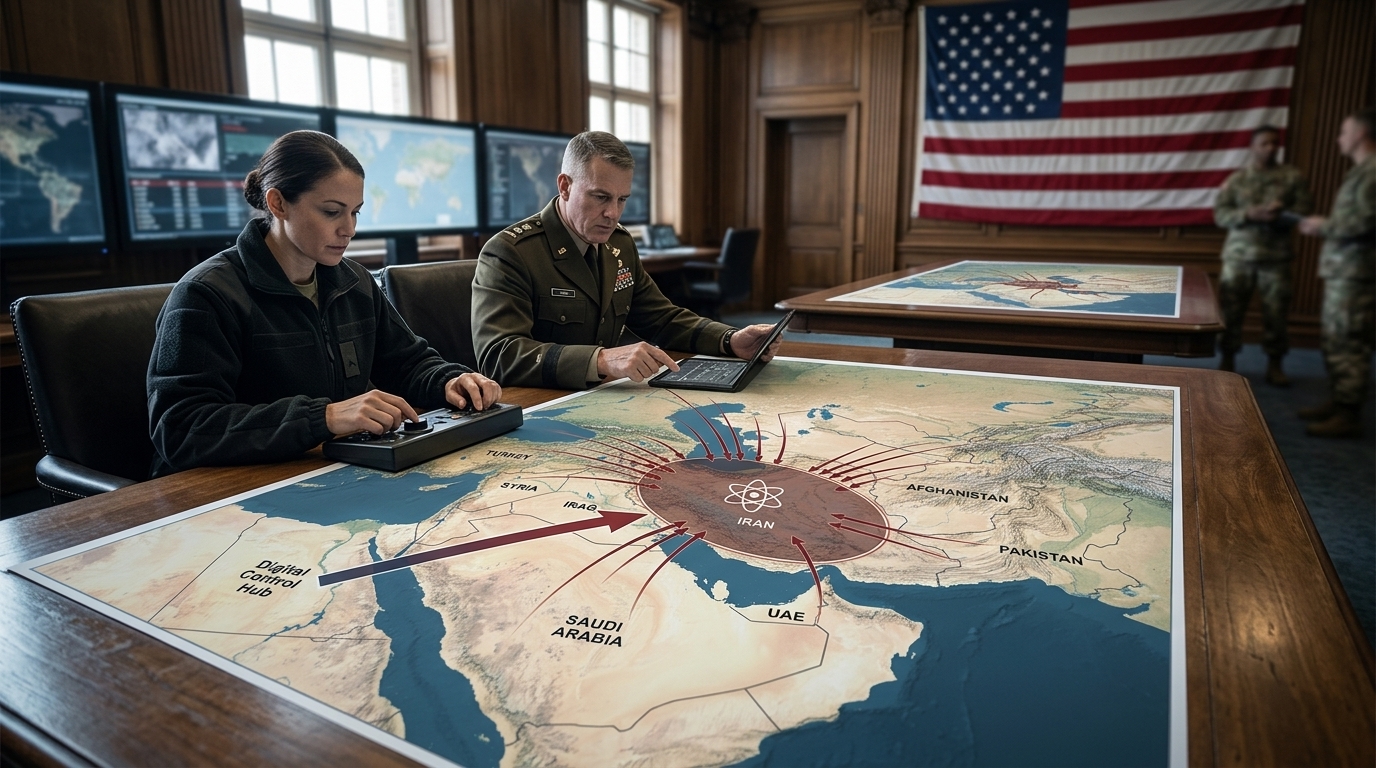
In an era where the lines between reality and digital representation are increasingly blurred, Donald Trump has once again chosen to stir the waters of international diplomacy. His post on the Truth Social platform, featuring a Middle East map generated by Artificial Intelligence (AI), is not merely another provocative move; it is a symptom of a profound shift in how geopolitical influence is wielded in the 21st century.
The Iconography of Intimidation
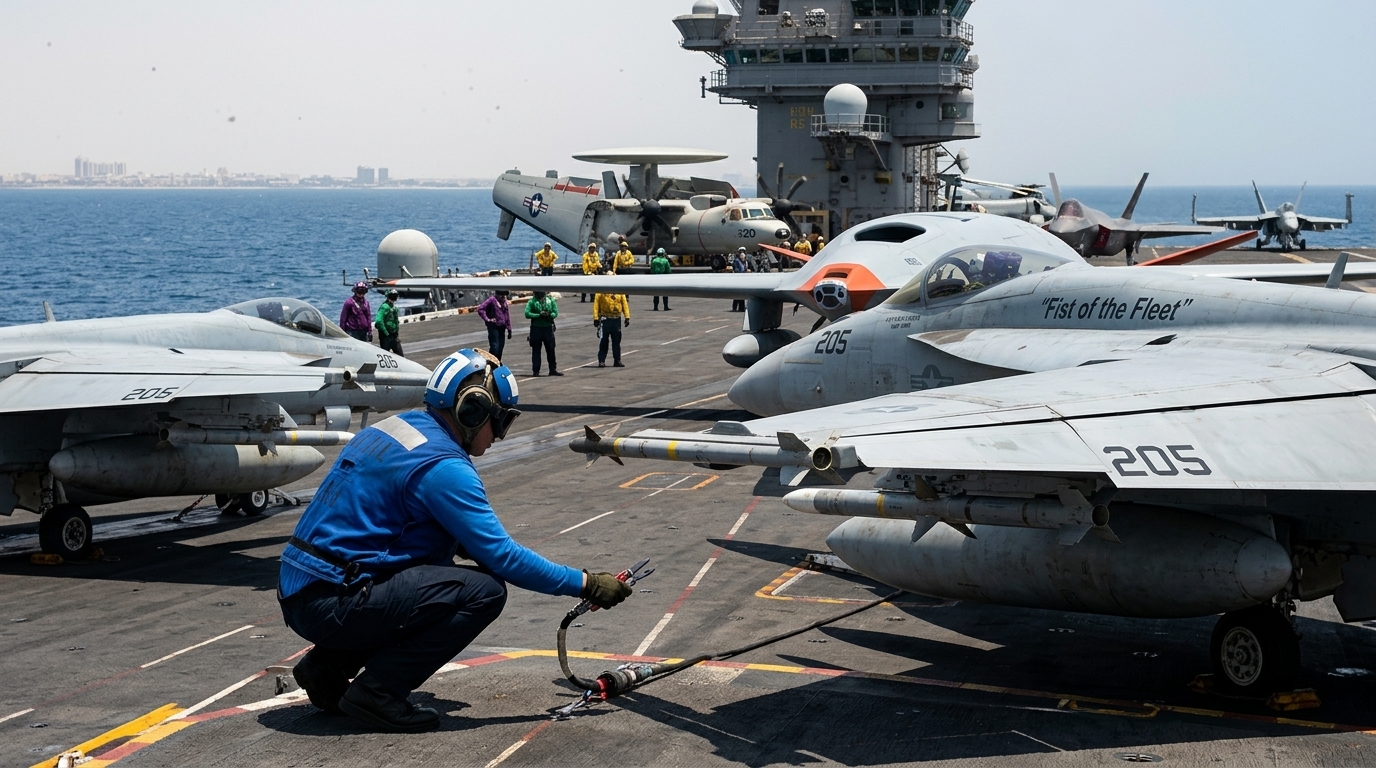
The map published by Trump depicts the Middle East region draped in the American flag, with red arrows originating from U.S. bases and strategic assets, pointing threateningly toward the heart of Iran. The use of generative AI to create this visual material lends a surreal, almost cinematic quality to the threat. This is no longer a simple speech or a formal State Department communiqué; it is a "manufactured" reality aimed directly at the emotions of his base and the fears of his adversaries.
Choosing AI for such content allows for the rapid production of visual propaganda that is difficult to ignore. According to analysts, this tactic is part of a broader "Maximum Pressure 2.0" strategy, where digital dominance is used as a prelude to, or a substitute for, military force. The image functions as a visual ultimatum, bypassing traditional diplomatic channels and appealing directly to global public opinion.
The Middle East in Turmoil
The timing of the post is not accidental. With regional tensions at a breaking point, Trump’s move adds fuel to an already volatile situation. Iran, for its part, views these posts as acts of psychological warfare. Tehran has repeatedly stated it will not yield to blackmail; however, the visualization of an imminent attack through a map with arrows creates a climate of insecurity that affects markets and regional alliances.
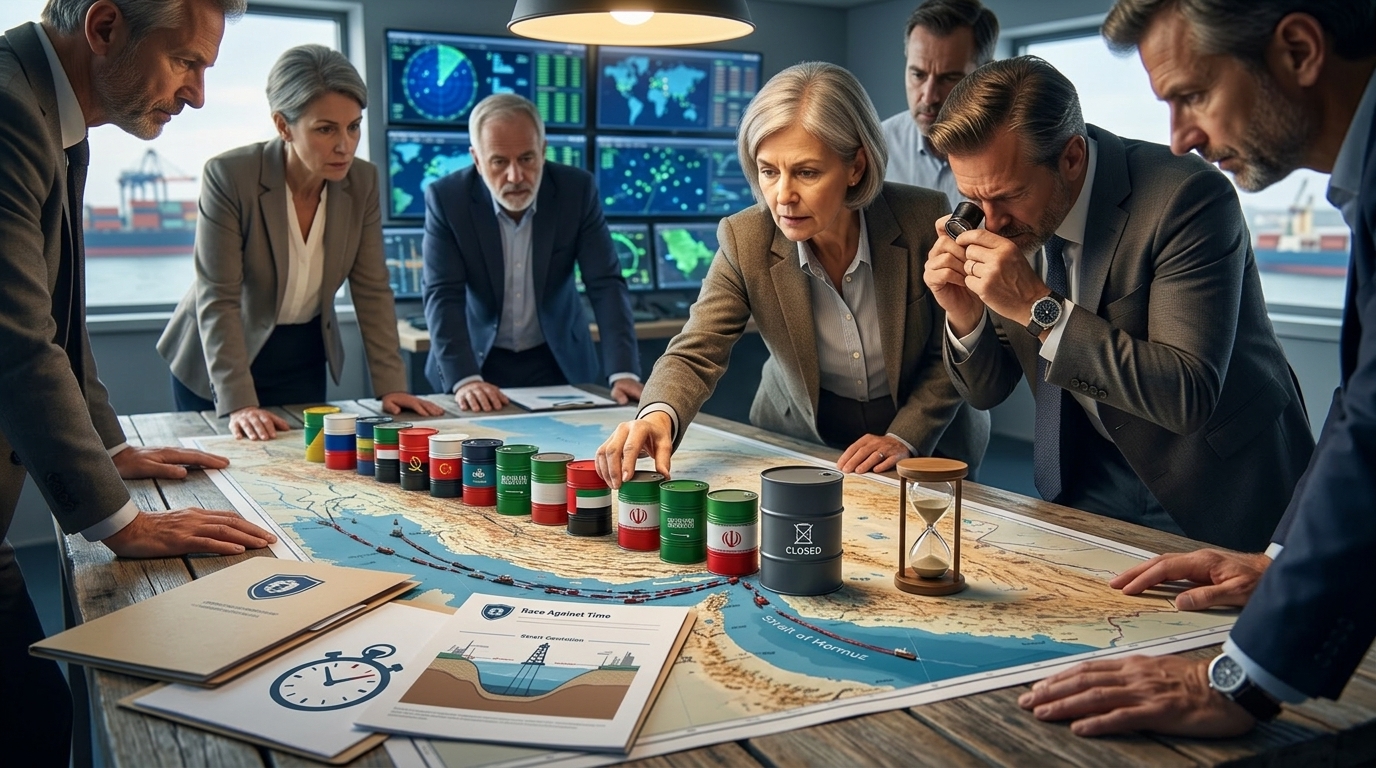
- The strategic importance of the Strait of Hormuz and the protection of energy routes.
- Strengthening U.S. ties with Israel and Saudi Arabia against the "Iranian threat."
- The role of Russia and China as balancing powers in the region.
The use of the AI map also suggests a disdain for traditional decision-making processes. When a leader (or aspiring leader) publishes attack plans—even symbolically—on a social network, they undermine the credibility of intelligence services and the military establishment, placing a personal agenda above institutional state memory.
AI as a Weapon of Propaganda
This incident highlights a dark facet of Generative AI. While discussions often focus on deepfakes and misinformation, the use of AI to create "geopolitical visions" is equally concerning. The ease with which one can construct convincing images of war or dominance means that public opinion can be manipulated with unprecedented speed.
"We are not just looking at an image; we are seeing the weaponization of the imagination to conduct foreign policy," notes a digital propaganda expert.
This new form of "meme diplomacy" carries the risk of miscalculation. If adversaries perceive an AI image as a statement of real intent, escalation can occur in seconds, before traditional diplomacy has a chance to intervene. The risk of an accidental or misunderstood war increases when leaders play with digital matches in a warehouse full of geopolitical gunpowder.
Conclusion: The Need for Digital Composure
As we move deeper into the age of AI, the need for critical thinking and digital literacy becomes imperative. Citizens and analysts must be able to distinguish communication fireworks from actual strategy. However, in Trump’s case, the message is clear: U.S. power will not be limited to the battlefield but will also dominate the field of digital perception. The question remains whether this strategy will bring Iran to the negotiating table or lead to an uncontrollable conflict that no AI model can predict.