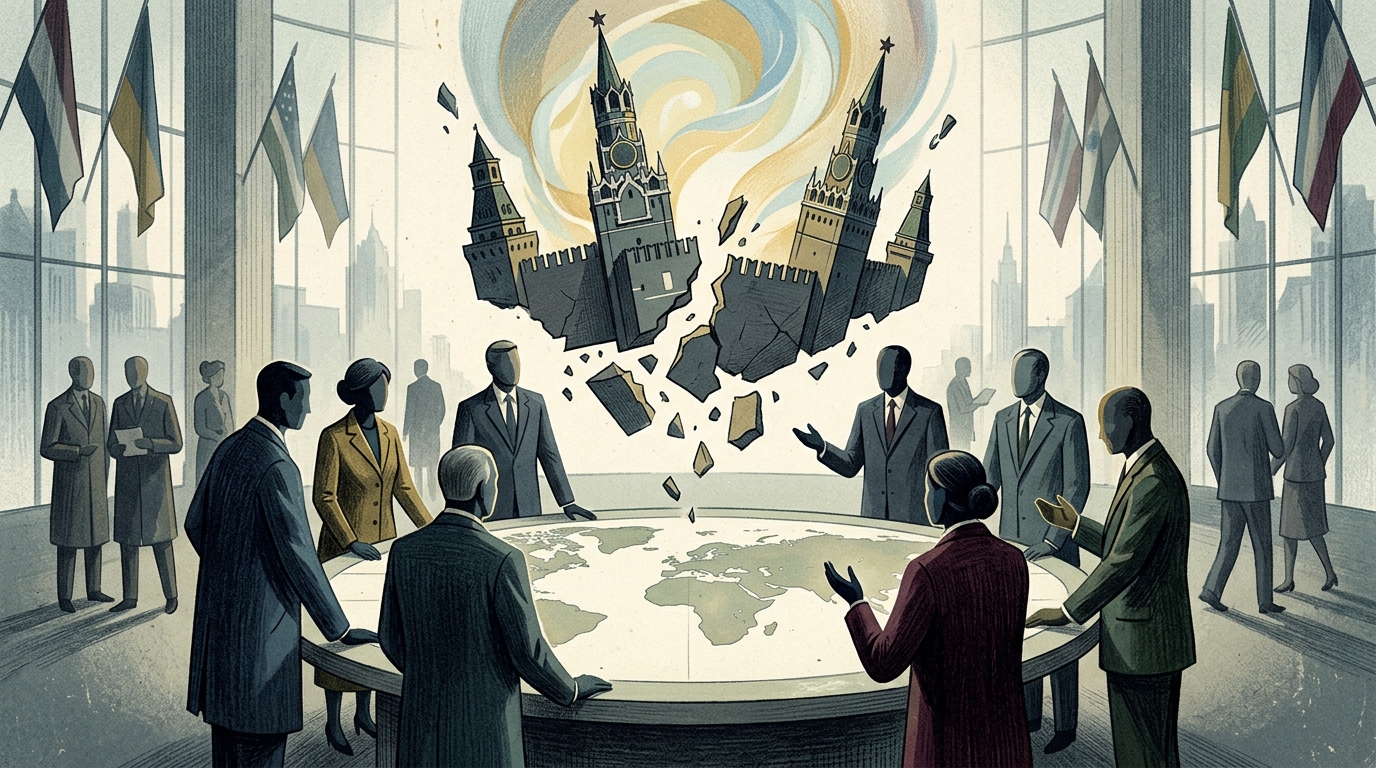
In the Moscow of May 2026, the atmosphere within the corridors of power bears little resemblance to the brash confidence seen during the early years of the "special military operation." According to recent revelations and testimonies from former top Russian officials, a deep, albeit silent, fracture is now splitting the country’s high-ranking elite. For the first time in decades, the Russian establishment—ranging from Central Bank technocrats to the remaining oligarchs—is beginning to "imagine a future without Putin."
This admission, which once would have been equated with treason punishable by death or imprisonment, reflects a new reality: the social contract between the Kremlin and the elites has shattered. The promise of wealth and stability in exchange for political subservience has been replaced by a demand for absolute loyalty, without offering a clear vision for tomorrow. As analysts note, people are being required to be loyal without being told what future that loyalty serves.
The Great Nationalization: The End of Private Property
The primary catalyst for this shift is the aggressive wealth redistribution campaign launched by the Kremlin. Under the guise of "supporting the war effort" and "correcting the injustices of the 1990s privatizations," the Russian state has embarked on an unprecedented series of asset seizures. Businesses belonging to oligarchs deemed "insufficiently patriotic," or those simply possessing profitable infrastructure, are being handed over to the state or to a new class of "war favorites."
- Seizures of steel and chemical production plants.
- Renationalization of strategic energy infrastructure.
- Court rulings nullifying thirty-year-old privatizations in summary proceedings.
This "new nationalization" has terrified even Putin’s most loyal allies. The realization that no asset is safe, regardless of how deeply one bows to the Kremlin, has transformed the elite from a pillar of the regime into a group simply waiting for an opportunity for change. Oligarchs watch as their empires are cannibalized to fund an endless war and an economy sliding into rampant inflation.
The War Economy and the "Technocratic Nightmare"
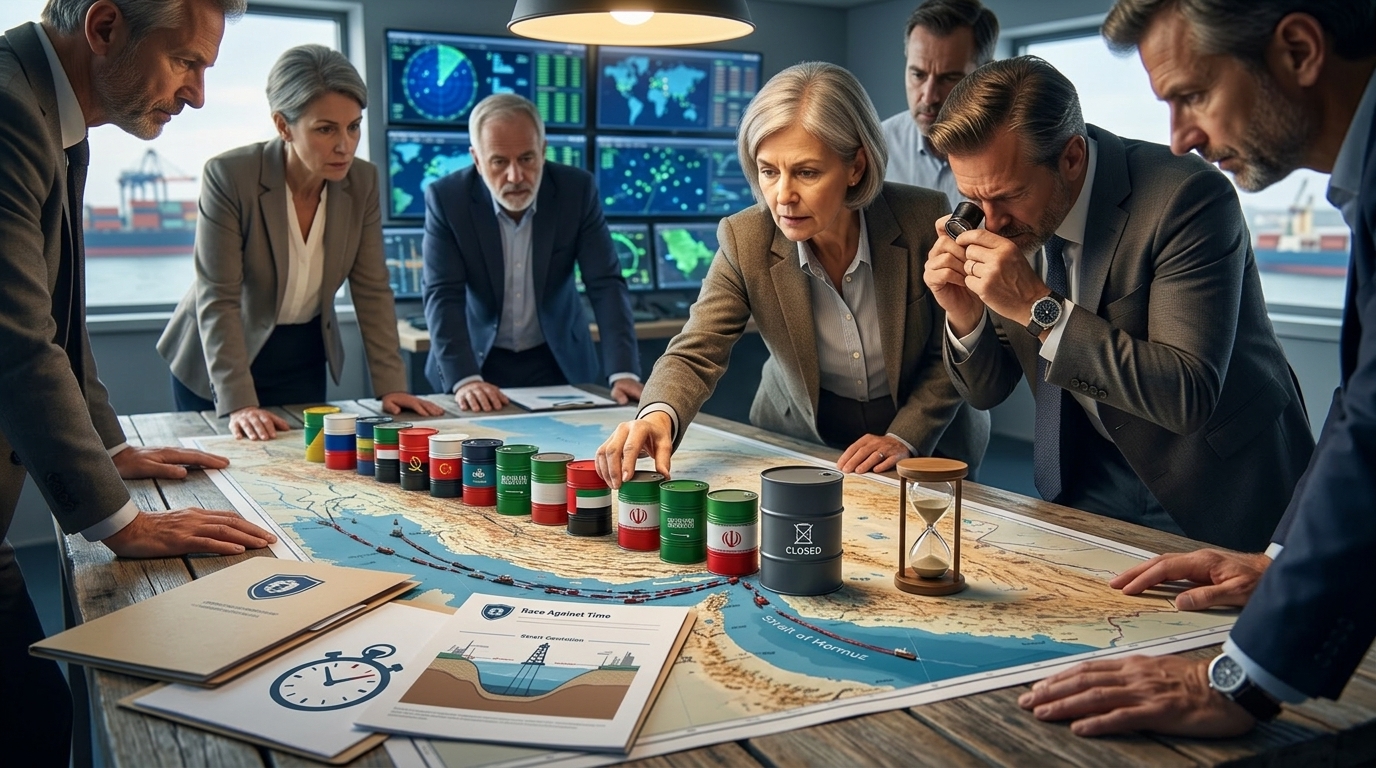
On the economic front, the situation is described as a constant race against time. Elvira Nabiullina and her team of technocrats have managed to keep the Russian economy afloat despite sanctions, but the cost is staggering. Inflation is galloping, labor shortages due to mobilization are structural, and the dependence on China has turned Russia into a "vassal partner."
"Loyalty is now required as a religious act, not a political choice. But technocrats are not people of faith; they are people of numbers. And the numbers don't add up," says a former advisor to the Ministry of Finance.
The fatigue is palpable. The Russian elite understands that the country is trapped in a trajectory of isolation that will last decades unless there is a radical change at the top. The fact that top executives are beginning to speak of the "aftermath" suggests that fear, while still potent, is starting to be outweighed by desperation.
Searching for the Exit
Despite travel bans for many officials and close surveillance by the FSB, the "silent exodus" continues. This is no longer just a physical flight, but a spiritual and economic decoupling. Elites are moving whatever they can into cryptocurrencies or through shadow networks in third countries, preparing the ground for the day after.
The question looming over Moscow is no longer whether Putin will win the war, but whether Russia can survive his victory. The deconstruction of the myth of the "irreplaceable leader" is the first step toward a political mutation that may prove more dangerous for the Kremlin than any external threat. Russian history has repeatedly shown that changes come abruptly, when those who hold the keys to the system decide that maintaining it costs more than overthrowing it.