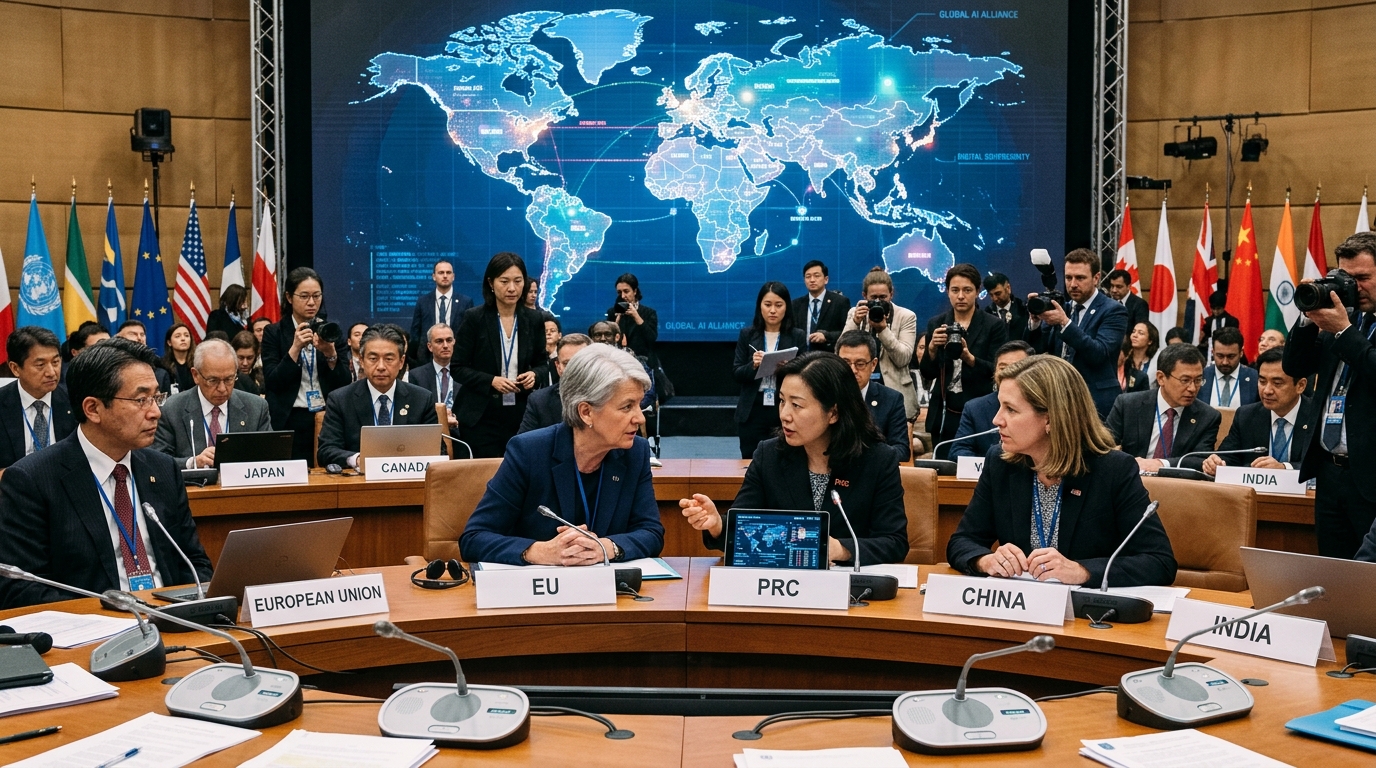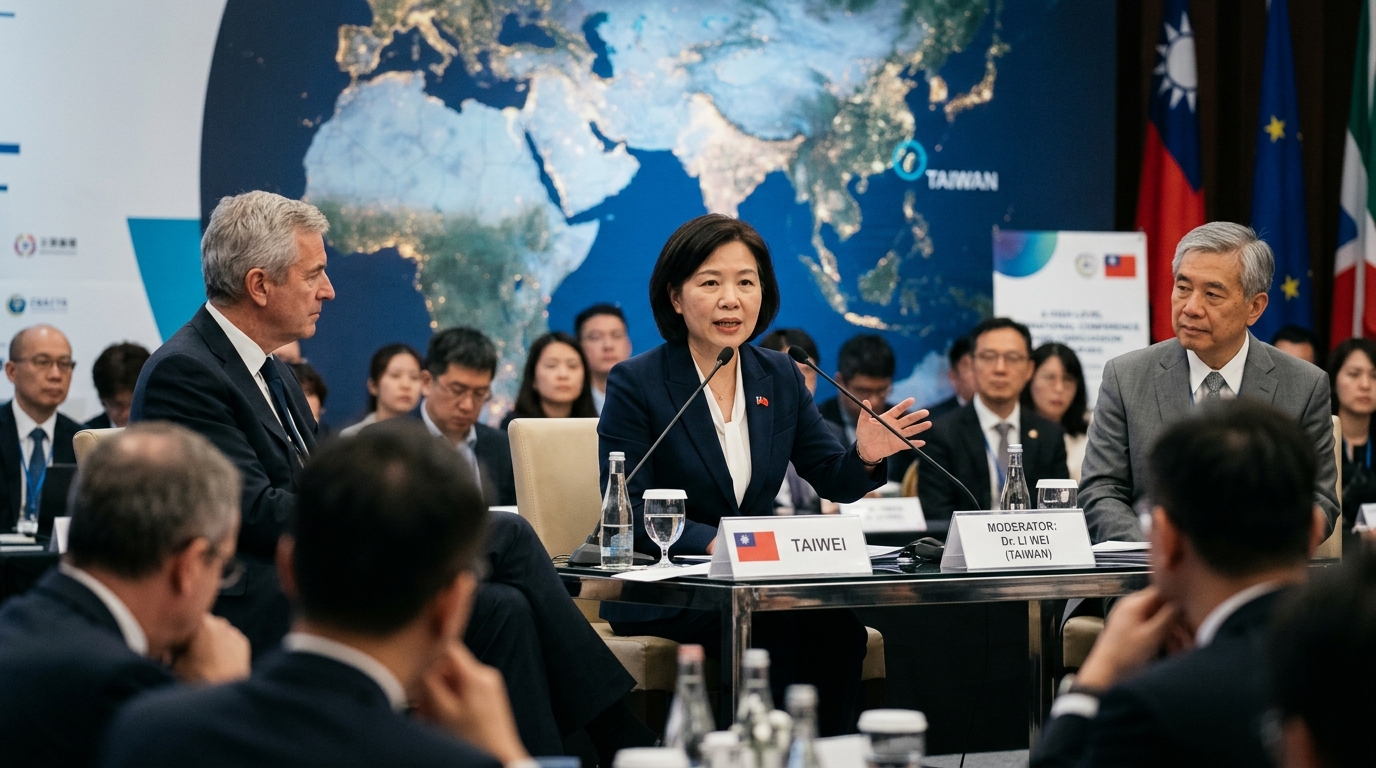
The recent report on Artificial Intelligence (AI) diffusion, as highlighted by the Taipei Times, marks a historic milestone for Taiwan. For the first time, the island nation has broken into the global top 20—securing the 19th position—confirming that its national strategy has successfully evolved beyond merely manufacturing the world’s most advanced semiconductors. Taiwan is now actively integrating AI into its social and economic fabric, transforming from a hardware provider into a comprehensive AI powerhouse. In an era where technological prowess is synonymous with national security, this achievement is a profound geopolitical statement.
The Shift from Hardware to Intelligent Ecosystems
For decades, Taiwan has been the world's "foundry," with TSMC leading the global production of high-end chips. However, the latest data emphasizes that the country has made significant strides in "operational diffusion." This refers to how businesses, from small-scale enterprises to IT giants, are adopting AI solutions to optimize manufacturing, logistics, and service delivery. The Taiwanese government’s "AI Action Plan 2.0" has been instrumental, funneling billions of dollars into an ecosystem that fosters research, development, and commercialization.
This success is built on three pillars: infrastructure, operating environment, and talent. Taiwan boasts some of the most advanced data centers in Asia, and its proximity to hardware manufacturing provides a unique speed-to-market advantage for implementing new AI models. Taiwanese researchers are working hand-in-hand with US tech giants like NVIDIA and Microsoft, effectively creating a high-tech bridge between Silicon Valley and East Asia.
The Geopolitical Significance of AI Mastery
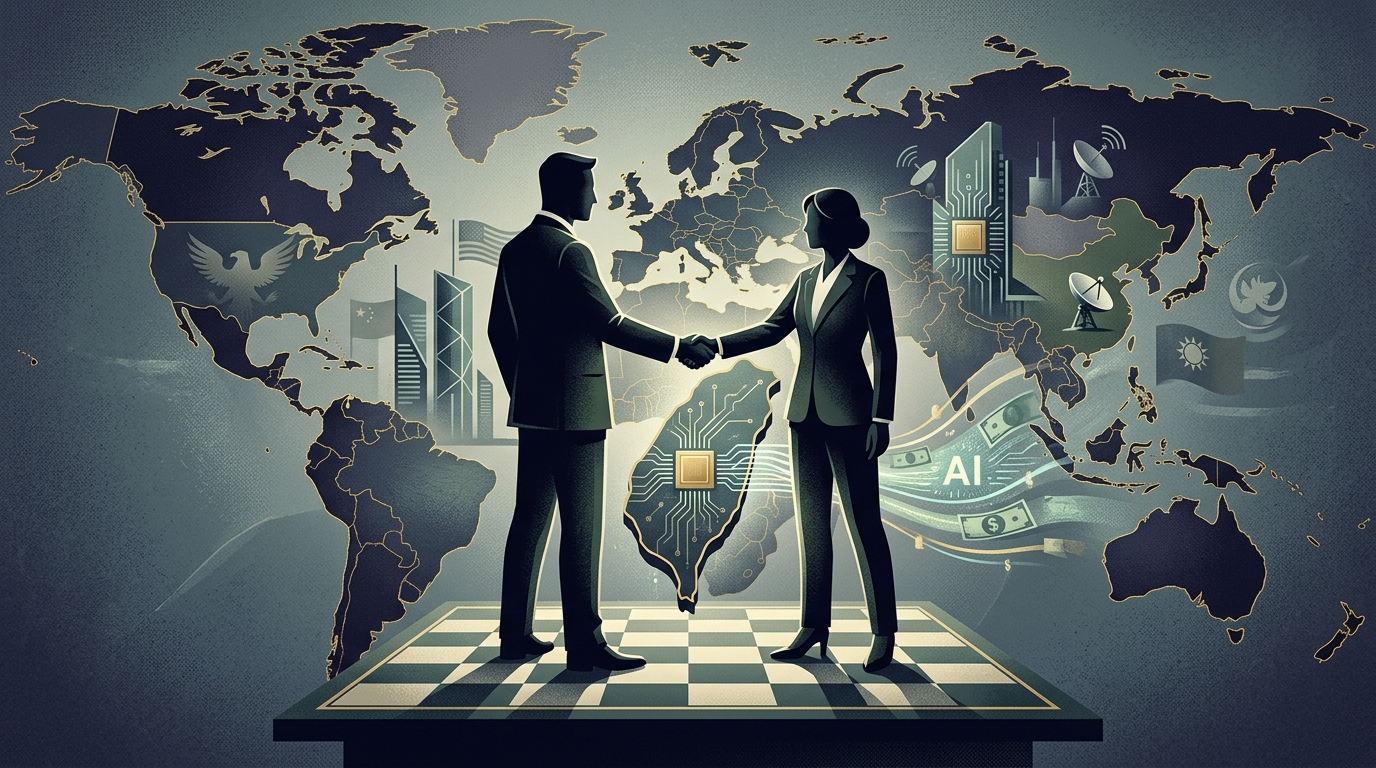
Amidst escalating tensions with China, Taiwan’s ascent in the AI rankings serves as an additional layer of protection—a secondary "Silicon Shield." As Taiwan becomes indispensable not just for chip fabrication but for the actual deployment and innovation of AI, the global economic cost of any regional conflict rises exponentially. AI has transcended its role as a growth engine; it is now a critical tool of international diplomacy.
"Artificial intelligence is the new frontier of our national security. Our position in the top 20 proves that Taiwan is an irreplaceable partner in the global democratic supply chain," a government official in Taipei remarked.
However, this geopolitical success brings its own set of pressures. The United States continues to push for the diversification of chip production to American soil, while the persistent threat of state-sponsored cyberattacks from mainland China necessitates constant investment in AI-driven cybersecurity. Taiwan’s ability to safeguard its data and intellectual property will be the ultimate factor in maintaining its top-tier status in the coming years.
Challenges: Energy Constraints and the Talent War
Despite the celebratory rankings, Taiwan faces significant hurdles. AI is notoriously energy-intensive, and the island is currently grappling with a precarious energy supply. The transition to renewable energy has been slower than anticipated, and powering massive GPU clusters requires consistent, affordable electricity—a contentious issue in domestic politics. Furthermore, the "brain drain" remains a persistent threat. Many of Taiwan's brightest engineers are being lured away by higher salaries in the US and Europe, leaving a talent vacuum in the local market.
The report suggests that Taiwan must focus more heavily on specialized education and the repatriation of its scientific diaspora. Creating an environment that offers not just technical challenges but a high quality of life is essential to sustaining the momentum of its 19th-place ranking. AI is not a sprint; it is a marathon of endurance, and while Taiwan has established a formidable lead, it requires a more sustainable long-term strategy.
Conclusion
Taiwan’s entry into the top 20 of global AI diffusion is the validation of a long-term vision. Once viewed as a mere subcontractor for Western tech, the nation has evolved into an autonomous hub of innovation. This success strengthens its hand on the global chessboard, making Taiwan a player that no world power can afford to overlook. The challenge moving forward will be balancing rapid technological growth with energy sustainability and geopolitical stability.