South Korea currently stands at the epicenter of the global Artificial Intelligence revolution, not as the creator of large language models, but as their indispensable fuel supplier. High Bandwidth Memory (HBM), produced primarily by SK Hynix and Samsung, is the critical component that allows Nvidia’s processors to operate at the breakneck speeds required by modern AI. However, a sharp new report from the ASEAN+3 Macroeconomic Research Office (AMRO) is sounding the alarm: this technological dominance may not be enough to shield the Korean economy from upcoming geopolitical and structural storms.
The Paradox of Success: The Memory Trap
Seoul's current dominance is undeniable. SK Hynix holds the lion's share of the HBM3e market, while Samsung is investing billions to regain lost ground. As AMRO points out, this specialization has turned South Korea into a supply chain monolith. Yet, the history of technology is littered with examples of leaders who became trapped by their own success. Reliance on a single product—no matter how advanced—leaves the national economy vulnerable to the fluctuations of the AI cycle.
The risk described by AMRO is not just about a potential downturn in demand, but the nature of memory itself as a commodity. Despite current high prices, HBM tends to follow semiconductor cycles, where oversupply can quickly lead to collapsing profit margins. If Korea fails to expand into logic chip design and AI software, it risks remaining a "luxury contractor" for Silicon Valley’s tech giants.
The Geopolitical Vise and the 'Chip War'
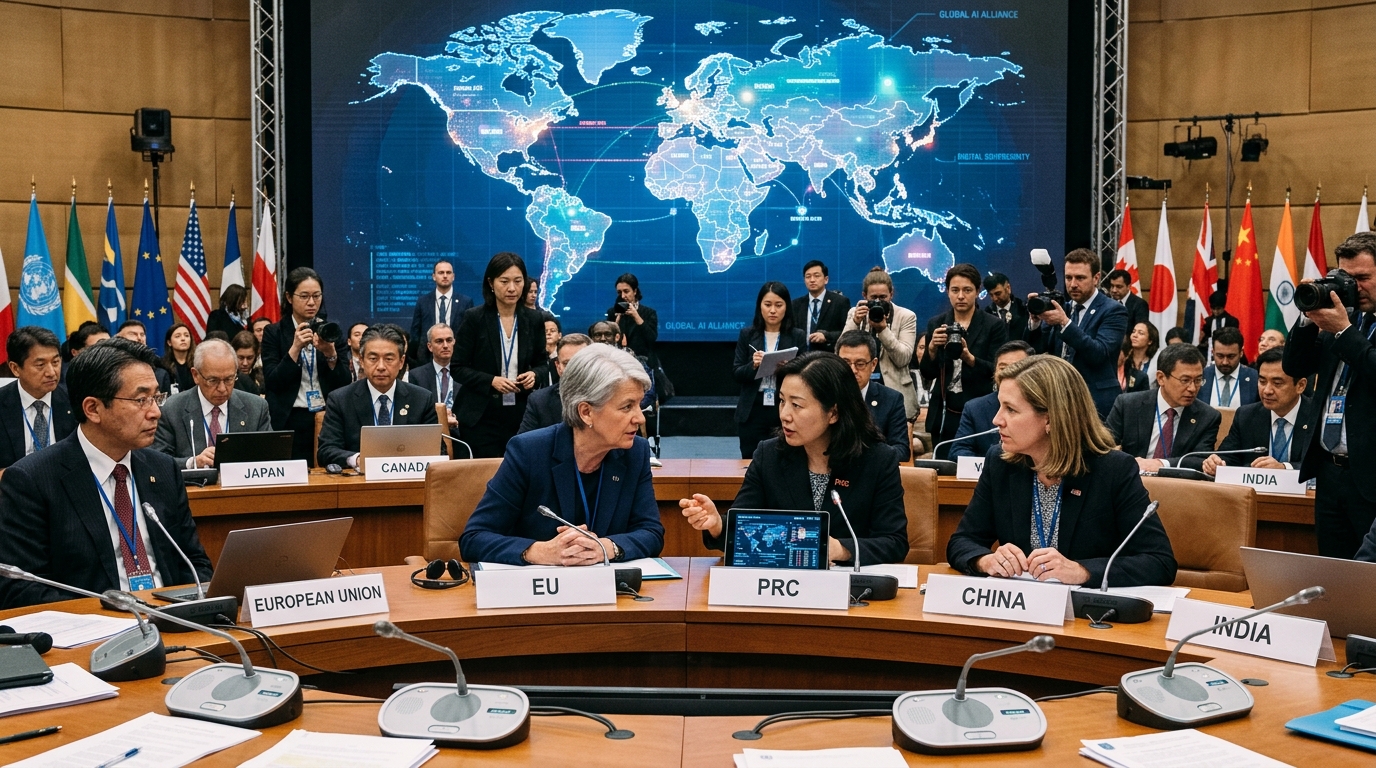
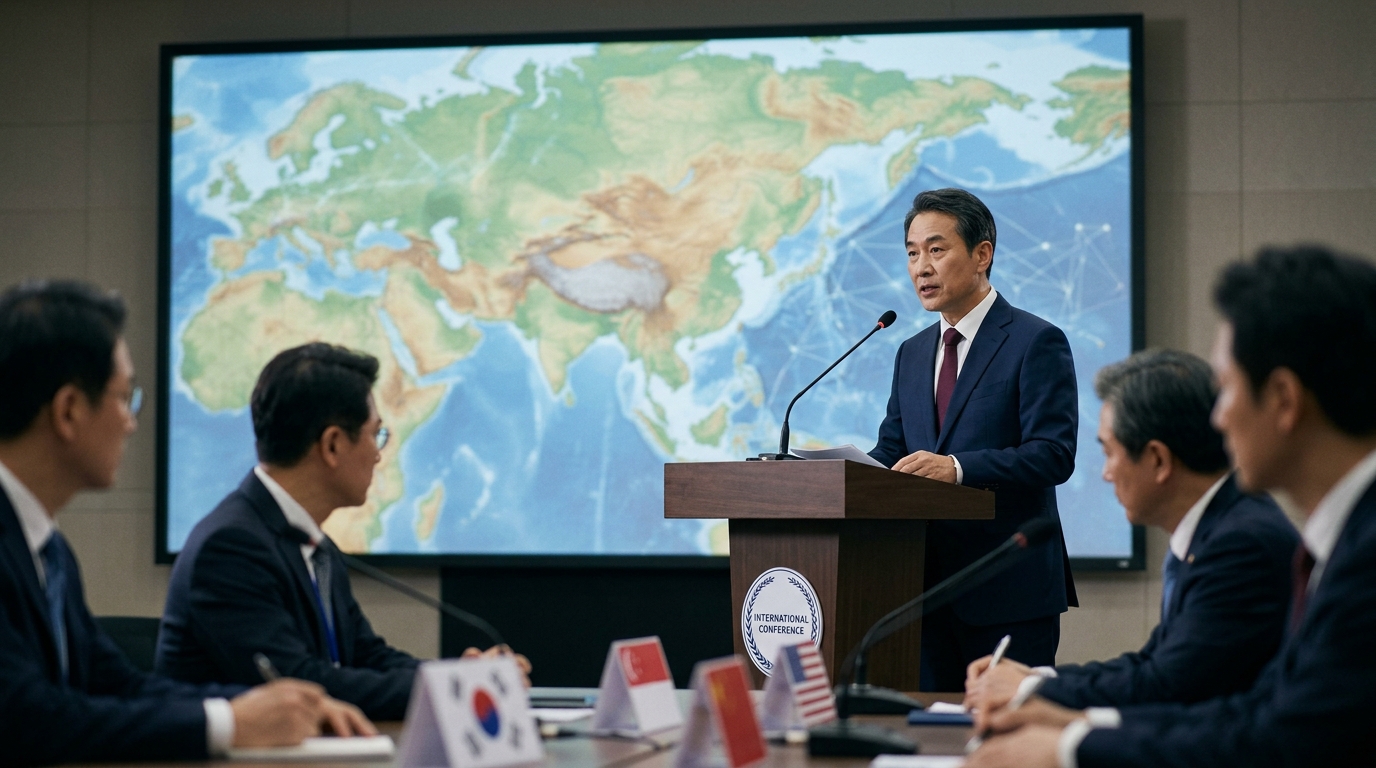
Beyond economic cycles, the greatest threat is geopolitical. South Korea finds itself in an incredibly difficult position, caught between its primary military ally (the US) and its largest trading partner (China). Washington, through the CHIPS Act, is pressuring Korean firms to move production to US soil and limit high-tech exports to Beijing. On the other side, China is accelerating its own domestic semiconductor program, seeking full independence from imports.
- US Pressure: Restrictions on lithography equipment exports to China prevent Samsung and Hynix factories on the mainland from upgrading to the latest nodes.
- The Chinese Response: Huawei and SMIC are developing their own memory solutions, which, while lagging in performance, could cover most of the Chinese internal market.
- The Taiwan Factor: TSMC, through its close partnership with Nvidia, is creating an integrated ecosystem (CoWoS packaging) that threatens to marginalize Korean efforts for vertical integration.
The Need for a New Economic Model
The AMRO report highlights that South Korea must reinvent itself. The "Chaebol" strategy, based on mass hardware production, is reaching its limits in the era of generative AI. Value-add is shifting from hardware to software and services. If Seoul does not foster an AI startup ecosystem and invest in developing its own LLMs tailored to the Asian market, it will remain beholden to decisions made in California.
"Hardware dominance is a temporary shield. Real power in the AI era lies in controlling data and software architecture," AMRO analysts note.
In conclusion, South Korea is called to manage a dual challenge: maintaining its technological lead in HBM memory while diversifying its economy to withstand the shocks of potential deglobalization. The "Miracle on the Han River" needs a new digital upgrade that goes beyond the walls of silicon foundries.