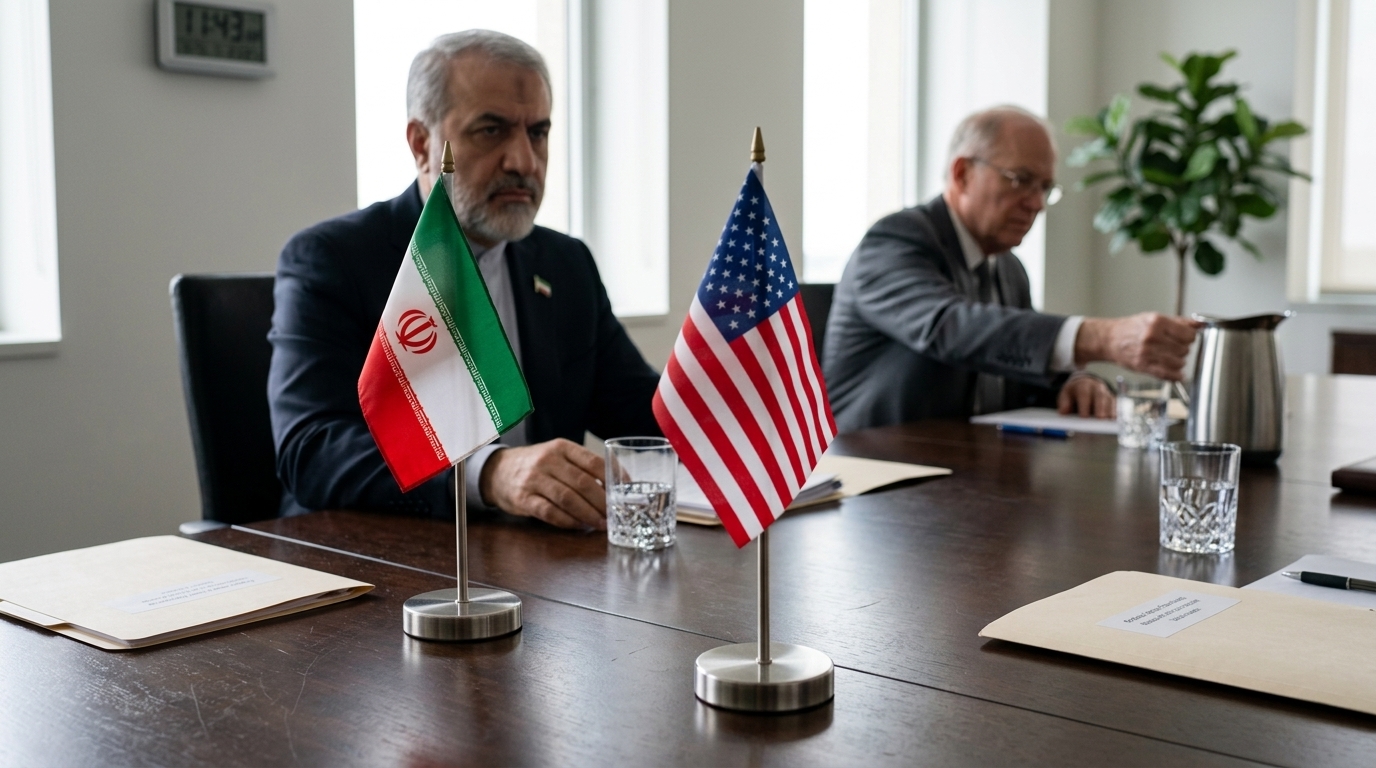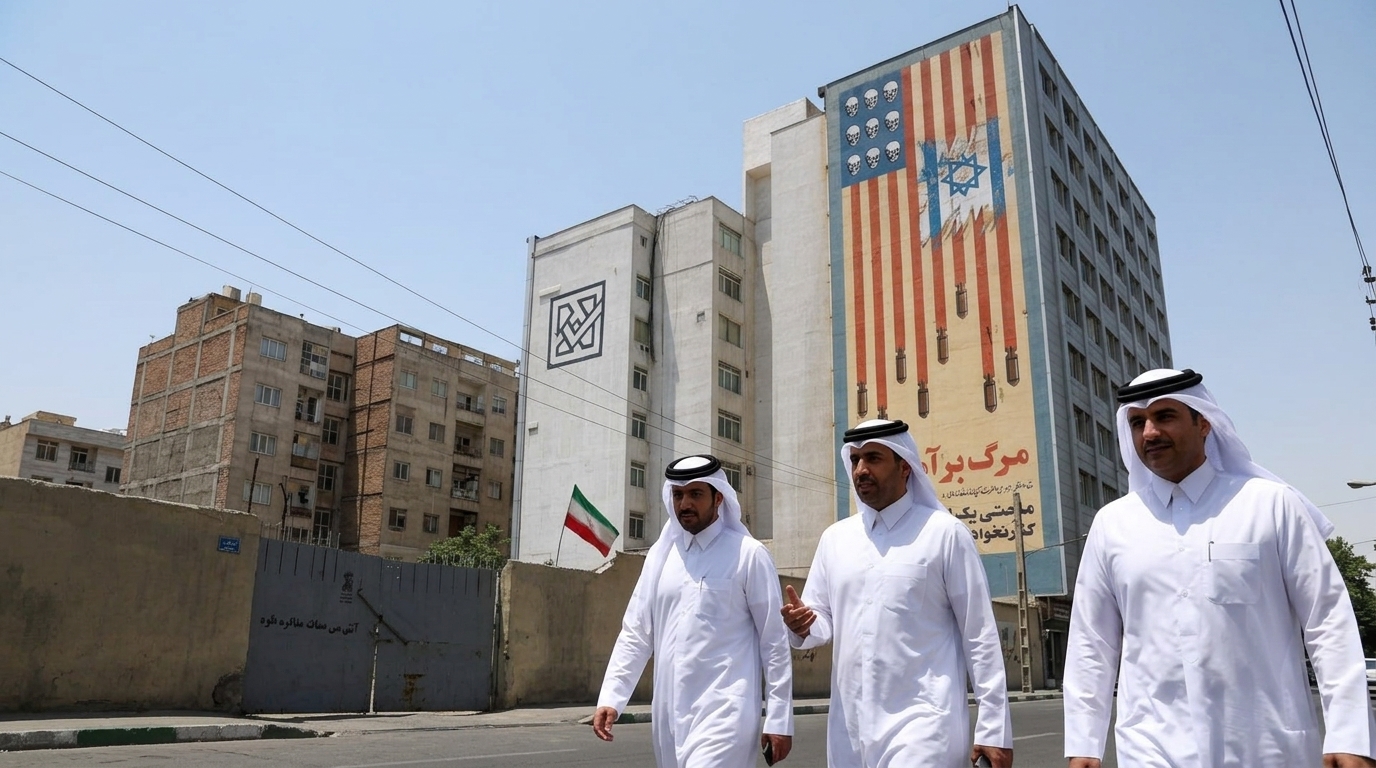
In a period where the geopolitical chessboard of the Middle East resembles a minefield, the arrival of a Qatari diplomatic mission in Tehran on Friday, July 10, 2026, marks another attempt by Doha to act as the essential "connective tissue" between the West and Iran. The talks, conducted under strict confidentiality, aim to de-escalate tensions that threaten to plunge the region into a generalized conflict, with Qatar leveraging its unique position as the host of a massive US air base while maintaining open channels of communication with the Iranian leadership.
Qatar's Role as a Mediator
Qatar is no newcomer to this role. For years, the small but immensely wealthy emirate has invested in "soft power diplomacy," making itself indispensable to both Washington and Tehran. The current negotiations focus on three main pillars: the security of shipping lanes in the Gulf, curbing the activities of Iranian proxies across the broader region, and reviving discussions on a framework for monitoring the nuclear program, which remains the primary bone of contention with the West.
According to diplomatic sources, Qatari officials are conveying messages from the US administration, which seeks to avoid a head-on collision amidst an already strained international environment. Tehran, for its part, faces intense economic pressure due to sanctions and is looking for ways to loosen the noose without appearing to back down from its ideological stances. The presence of negotiators in Tehran suggests a "window" of opportunity for a compromise that could stabilize energy prices and prevent further military provocations.
The Strategy of "Managed Tension"
For Iran, diplomacy is often a tool for buying time. Analysts point out that Tehran uses talks with Qatar to gauge the resilience of the American side. Simultaneously, regional instability—from Yemen to Lebanon—serves as a lever of pressure. Qatari negotiators are well aware that any agreement must include guarantees for both sides: Iran needs economic incentives, while the US demands a reduction in attacks against its forces in the region.
- Limiting military activity in the Strait of Hormuz.
- Prisoner swaps as a gesture of goodwill.
- Potential easing of certain secondary sanctions for humanitarian reasons.
- Commitment to continue technical talks on the nuclear program.
The complexity of the situation is heightened by internal political balances within Iran. Hardliners within the regime remain suspicious of any rapprochement with the West, viewing Qatari mediators as "messengers" of American interests. However, economic reality often dictates realism, and Doha is the only capital that can offer a dignified exit from the deadlock.
Implications for Global Security
If the Qatari mission is successful, the implications will be immediate. The global oil market will breathe a sigh of relief as the fear of closing the Strait of Hormuz recedes. Furthermore, a de-escalation would allow the European Union to focus its attention on its eastern borders without the constant fear of a new Middle East crisis triggering refugee flows and energy instability.
"Peace in the Middle East is not built with grand agreements, but with small, careful steps in the darkness of secret diplomacy," says a senior Qatari official.
In conclusion, the visit of the negotiators to Tehran is not the end of the road but the beginning of a new, arduous process. Qatar, playing the neutrality card, is trying to prove that in modern geopolitics, a country's size does not determine its influence, but its ability to build bridges where others see only abysses. The coming days will show whether Tehran is ready to cross those bridges or if it will prefer to remain in isolation, keeping the region in a state of perpetual turmoil.