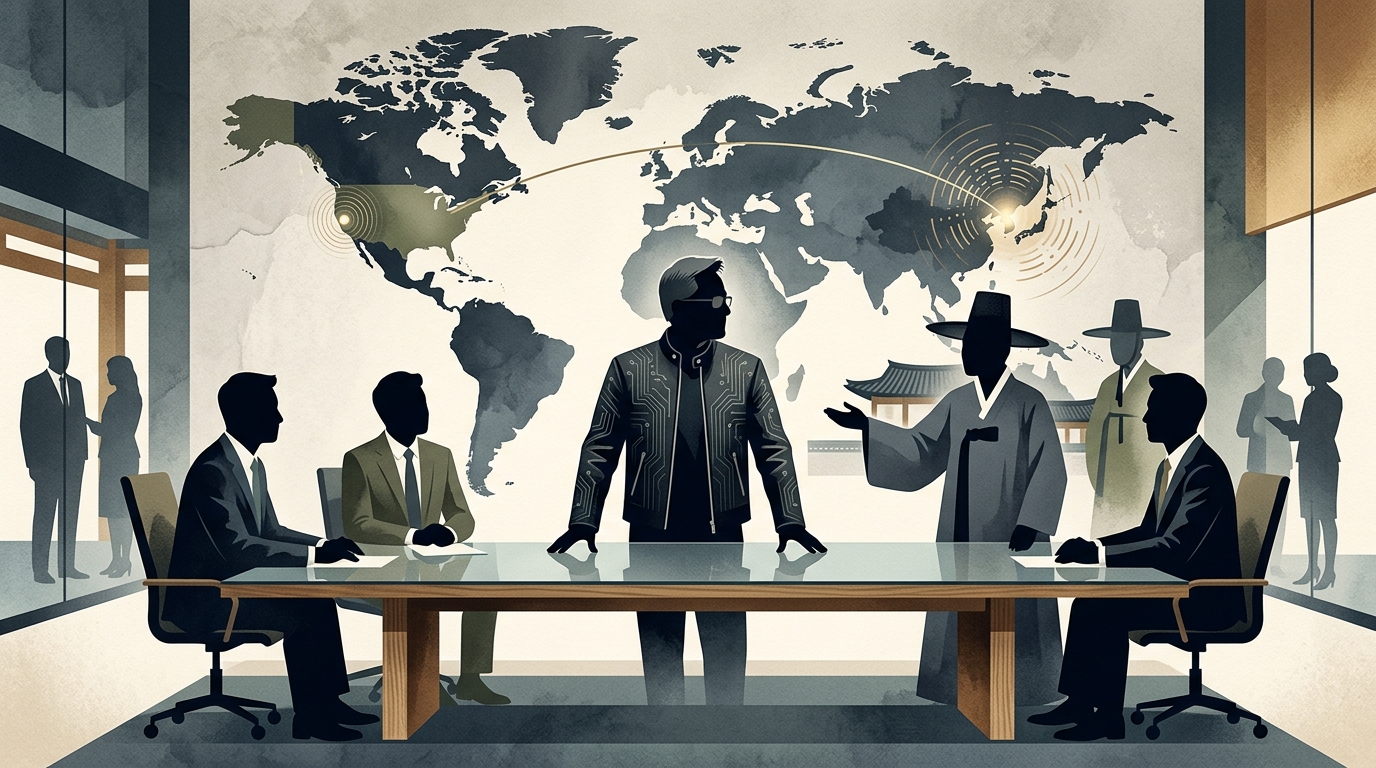
The geopolitical chessboard of 2026 is shaking from a new internal tremor within the halls of American power. According to exclusive reporting from Reuters, the Pentagon is locked in a high-stakes confrontation with Elon Musk’s SpaceX. The core of the dispute? A sharp and "unilateral" price hike for Starlink satellite services, implemented just as U.S. forces and their regional allies find themselves deeply entrenched in the conflict with Iran.
Modern military reliance on private technology has never been more visible—nor more precarious. Starlink, which has become the backbone of battlefield communications due to its resilience against electronic warfare and jamming, is shifting from a tool of strategic advantage to a lever for economic and political pressure. Reports indicate that SpaceX has demanded contract renegotiations with price increases reaching up to 300% for specific operational theaters, citing the soaring costs of hardening satellites against Iranian cyberattacks and physical anti-satellite threats.
The Low Earth Orbit Monopoly
The Pentagon’s primary grievance is not merely the fiscal impact, but the total absence of viable alternatives. While legacy defense giants like Lockheed Martin and Boeing provide satellite communications, none possess the Low Earth Orbit (LEO) constellation density required to offer the low-latency, high-bandwidth coverage that Starlink provides. This has created what analysts term a "digital monopoly" under active combat conditions.
Department of Defense officials, speaking on condition of anonymity, have expressed significant frustration with the company’s tactics. "We cannot allow a private contractor to hold U.S. national security hostage to pad profit margins during an active conflict," a senior Air Force official stated. Conversely, SpaceX maintains that the Pentagon has historically undervalued the immense cost of maintaining a global network that is under constant siege by state-level actors.
"The technology is private, but the mission is public. When these two spheres collide in wartime, the result is invariably chaotic."
The Geopolitical Dimension and the Musk Factor
This is not the first time Elon Musk has found himself at odds with U.S. foreign policy. Memories of the Ukraine conflict in 2022 and 2023, where SpaceX restricted Starlink’s use for offensive drone operations, remain a sore point for diplomats. However, the current crisis in Iran is fundamentally different. In this theater, the stakes involve American boots on the ground and direct kinetic engagement with a major regional power.
Some analysts interpret SpaceX’s move as an attempt by Musk to solidify his role as an "independent geopolitical actor." By controlling the flow of information, SpaceX is no longer just a vendor; it is an arbiter of operational capability. If the Pentagon yields to these demands, it sets a precedent where the cost of warfare is tied to a company’s stock valuation and the personal whims of its majority shareholder.
The Quest for Digital Sovereignty
This standoff is expected to catalyze efforts by the U.S. and the European Union to develop state-controlled satellite constellations. The EU’s IRIS² program and the U.S. Space Force’s new initiatives for "tactically responsive space"—the ability to launch small, cheap satellites on short notice—have taken on a new sense of urgency. However, these projects are years away from providing a redundant alternative to Starlink's current dominance.
Until then, Washington remains in an uncomfortable stalemate. Invoking the Defense Production Act (DPA) to compel SpaceX to provide services at fixed rates is an option under review, but it risks a protracted legal battle that could jeopardize cooperation in other critical areas, such as NASA’s Artemis program and national security launches.
In conclusion, the Starlink crisis highlights the darker implications of the privatization of space. In a world where wars are fought as much in the data stream as on the terrain, sovereignty over the infrastructure carrying that data is the ultimate form of power. The Pentagon may be learning, the hard way, that in the 21st century, the most formidable adversary isn't always across the border—sometimes, they are sitting in the boardroom of a strategic partner.