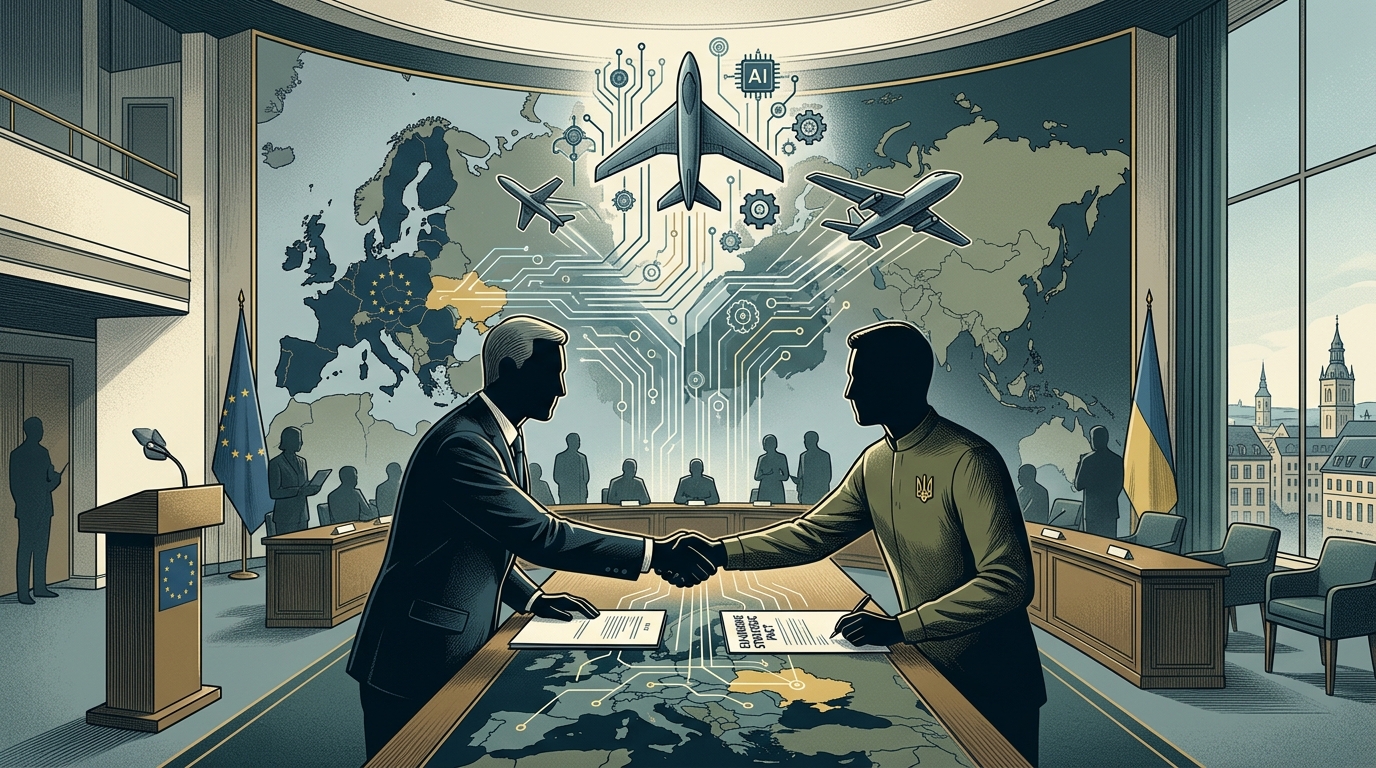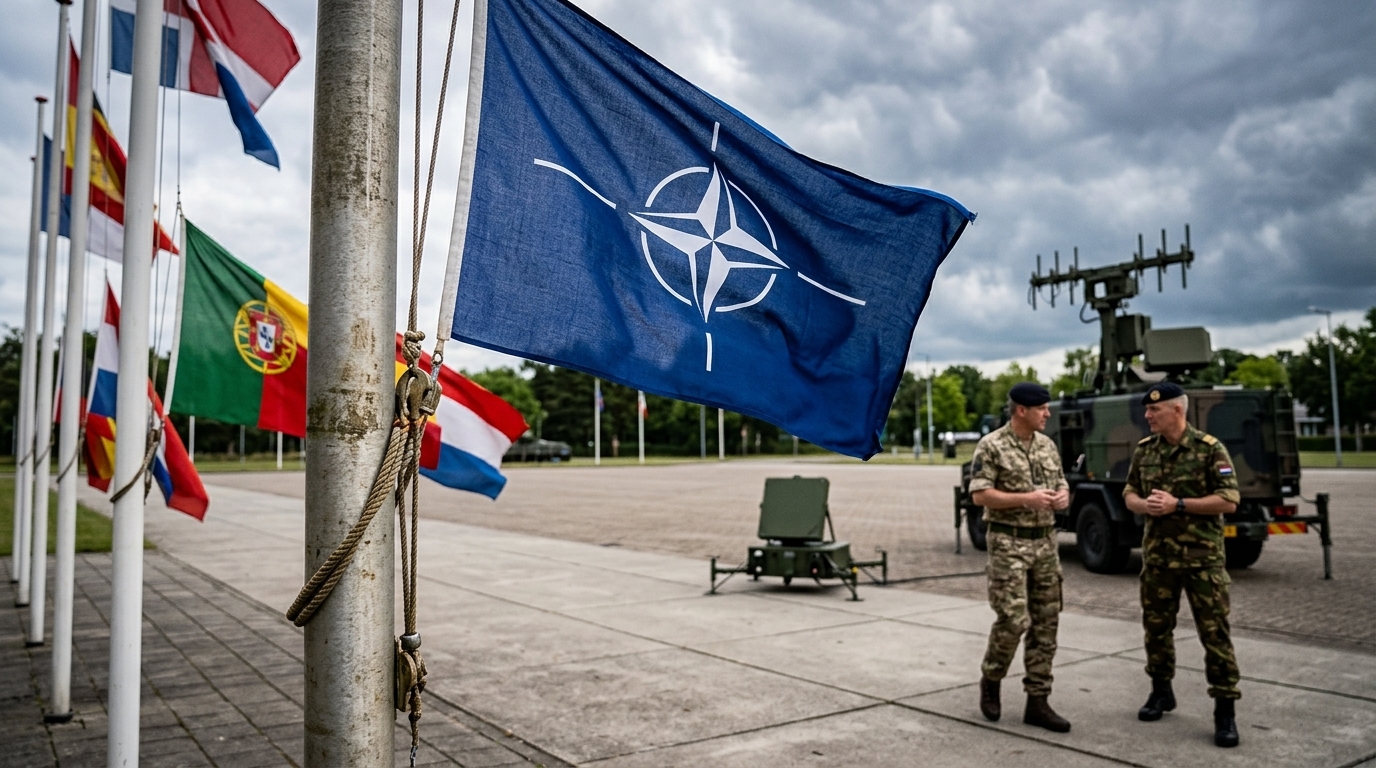
In an era where the war in Ukraine has transformed European airspace into a dynamic and often dangerous testing ground for unmanned aerial vehicles (UAVs), NATO stands before a historic decision. The need for speed, which often clashes with the bureaucratic hurdles of national governments, is driving the Alliance to strengthen the powers of its military leadership. According to recent reports and analyses, member states are seriously considering granting greater autonomy to the Supreme Allied Commander Europe (SACEUR) for real-time decision-making regarding drones that violate allied airspace.
The Erosion of Sovereignty and 'Grey Zone' Warfare
In recent months, incidents of airspace violations in countries like Romania, Poland, and Latvia by Russian drones have highlighted a critical gap: the time lag between detecting a threat and receiving political approval for interception. In modern warfare, where a kamikaze drone can cover kilometers in seconds, waiting for a governmental decision can be fatal. NATO's military leadership argues that the current structure is inadequate for dealing with hybrid threats operating in the 'grey zone'—challenges that do not necessarily constitute a formal declaration of war but undermine security and public morale.
The proposed strengthening of powers focuses on 'pre-delegated authority.' This means military commanders would have the 'green light' to act based on pre-defined rules of engagement, without requiring direct communication with political leadership for every single incident. This represents a significant shift, as air defense has traditionally been one of the most closely guarded pillars of national sovereignty.
The Technological Dimension: AI and Automated Interception
The challenge is not only political but also technological. The mass use of drones requires air defense systems capable of processing vast amounts of data in minimal time. NATO is already investing in Artificial Intelligence (AI) technologies to improve situational awareness. Integrating sensors from different member states into a single network allows for faster target identification. However, technology alone is not enough if the decision-making process remains analog in a digital world.
- Integration of radar and electronic warfare systems.
- Use of interceptor drones to reduce the cost per kill.
- Development of common protocols for identifying friendly and hostile unmanned assets.
This strategy also aims to address economic asymmetric warfare. When a drone costing a few thousand dollars requires a multi-million dollar Patriot missile to be downed, the defender suffers economic exhaustion. Strengthening military command will allow for the faster deployment of more cost-effective solutions, such as jamming systems or directed-energy weapons (lasers).
Political Reactions and the Question of Trust
Despite the obvious military necessity, the proposal is not without its detractors. Some member states express concerns about the potential for accidents or miscalculations that could lead to unintended escalation. The idea that a military commander could order the downing of an object over a populated area without an explicit government mandate remains a sensitive issue. The balance between collective security and national autonomy is the tightrope the Alliance must walk.
"The speed of the threat demands speed in response. We cannot fight 21st-century threats with 20th-century bureaucratic processes," senior Brussels sources state.
In conclusion, NATO's move toward a more flexible and militarized decision-making process reflects the new reality of European security. The 'drone revolution' is not only changing the battlefield but also the structure of power itself, forcing states to reconsider what sovereignty means in the age of the automated threat.