As Emmanuel Macron enters the twilight of his presidency, his agenda at the G7 has shifted from traditional diplomacy to a high-stakes gamble on Europe's digital survival. The French leader, who once branded himself the "start-up president," sees his legacy tethered to a volatile mix of massive infrastructure projects and fickle venture capital. His goal is clear: to ensure that when he leaves the Élysée Palace in 2027, France is firmly established as the continent's AI powerhouse.
The Nuclear Edge in the AI Arms Race
Central to Macron’s pitch is a legacy asset that has found new relevance: France’s nuclear infrastructure. Artificial Intelligence is a glutton for power. Training large language models and maintaining the servers that run them requires a level of electrical output that many nations struggle to provide. France, through EDF’s nuclear fleet, offers a unique proposition—stable, low-carbon, and relatively affordable electricity.
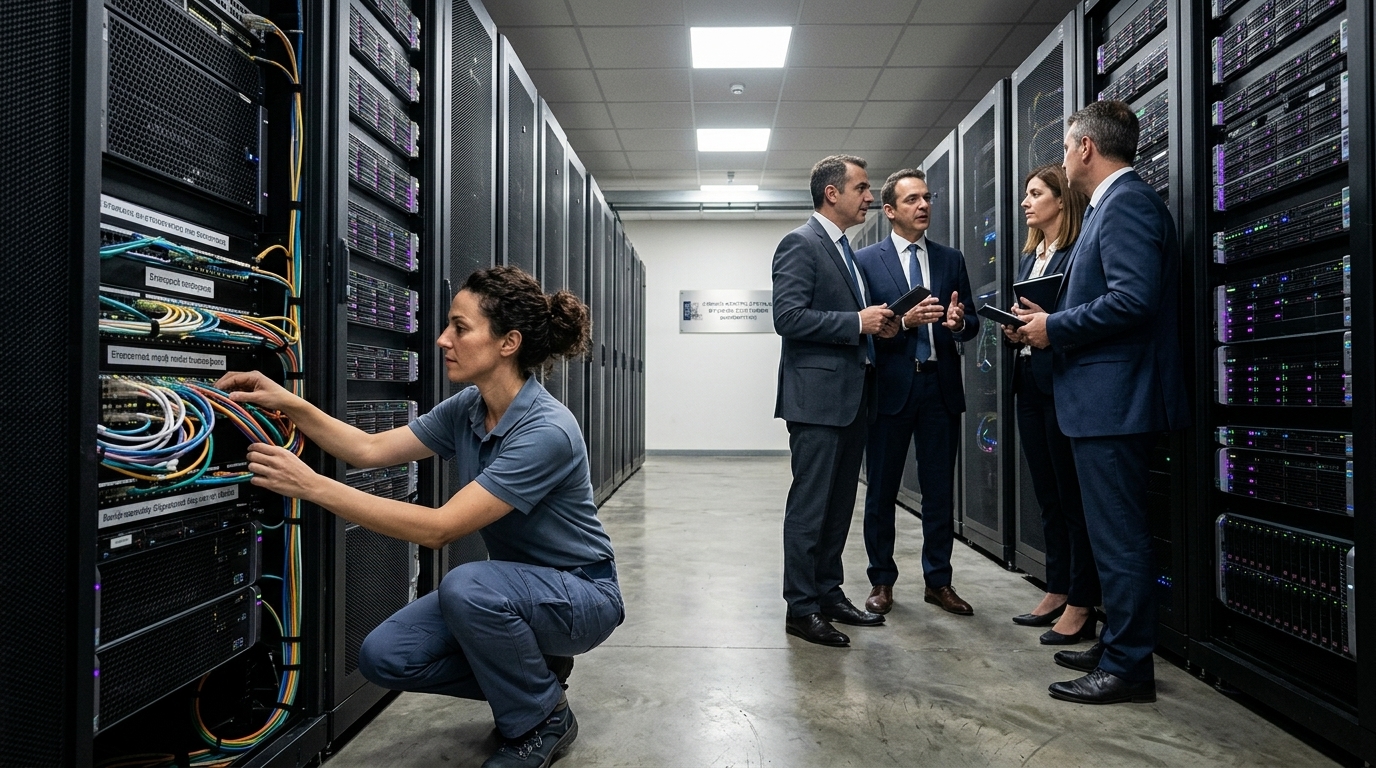
However, building the "cathedrals of the 21st century"—data centers—is proving more difficult than simply providing the power. Macron faces a pincer movement of local environmental opposition and a sluggish European supply chain. While he has pushed for expedited planning laws, the reality on the ground is one of NIMBYism and regulatory hurdles. For the tech giants like Microsoft and Amazon, the decision to invest in the Hexagon depends on whether Macron can turn his rhetoric into physical, operational hardware before his term expires.
The Funding Gap and the Sovereignty Paradox
France has successfully nurtured champions like Mistral AI, proving that European engineering can rival Silicon Valley. Yet, the persistent Achilles' heel is the lack of scale in funding. Macron’s "Tibi" initiative has unlocked billions from domestic institutional investors, but these figures remain dwarfed by the capital depth of the US markets. The irony is palpable: Macron’s dream of "strategic autonomy" is being built on a foundation of American chips and, often, American venture capital.
The President has been a vocal advocate for a unified European Capital Markets Union, arguing that without it, Europe’s brightest minds will continue to flee to the United States to scale their businesses. At the G7, Macron is pushing for a collective approach to AI investment, but national interests often supersede European unity. If he cannot bridge this financial chasm, his legacy may be remembered as a period of intellectual brilliance that failed to achieve commercial dominance.
Geopolitical Stakes and the 2027 Horizon
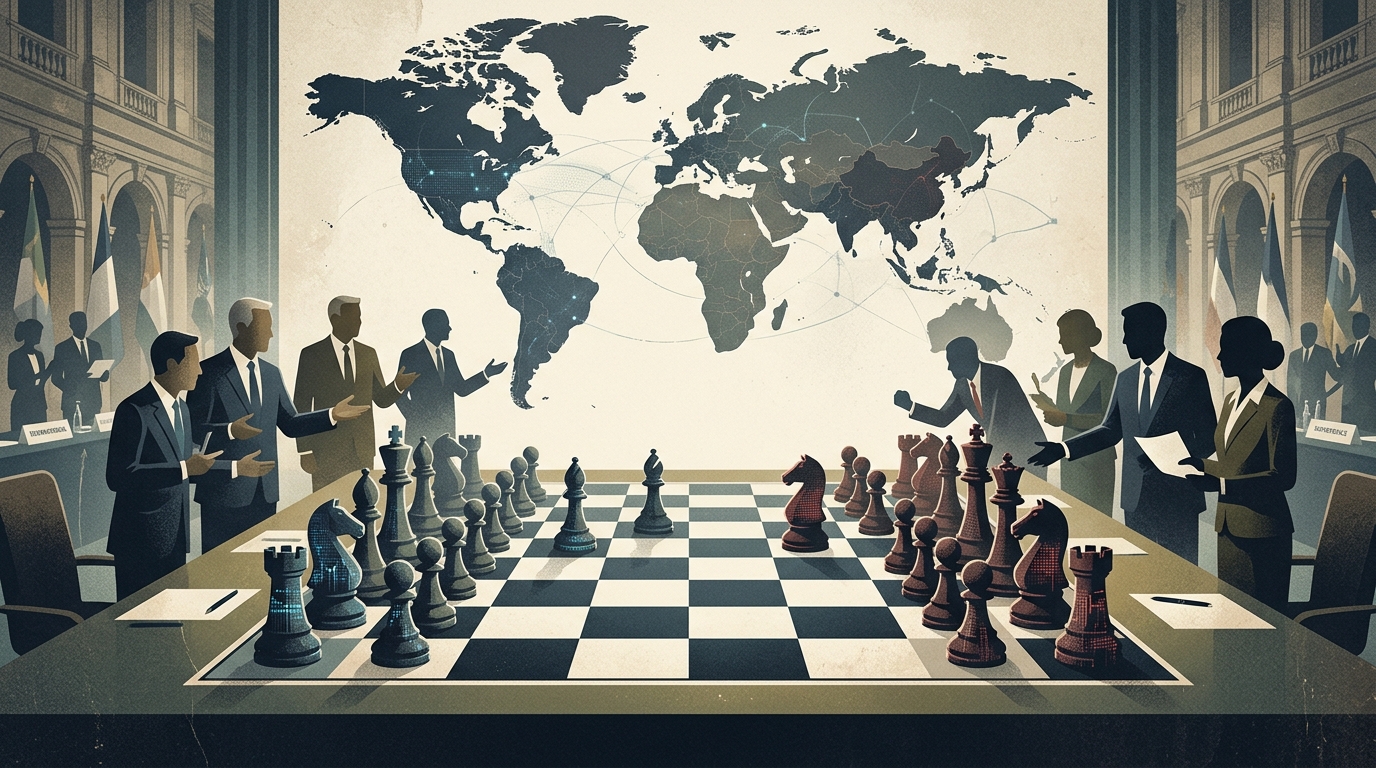
Beyond the economics, there is a profound geopolitical dimension. Macron wants France to be the global arbiter of AI ethics and regulation. By hosting major international summits on AI safety, he is attempting to position the French regulatory model—a balance between innovation and safety—as the global standard. This is diplomacy by code, an attempt to project French values into the algorithms that will govern the future.
But the shadow of 2027 looms large. Global investors are wary of the political instability that could follow his departure. If a more protectionist or less tech-savvy administration takes over, the incentives and subsidies that have fueled the "French Tech" boom could vanish. Macron’s final months are a race against time to bake these policies into the French state so deeply that they become irreversible, regardless of who wins the next election. His G7 legacy isn't just about what he achieved, but whether it can survive without him.