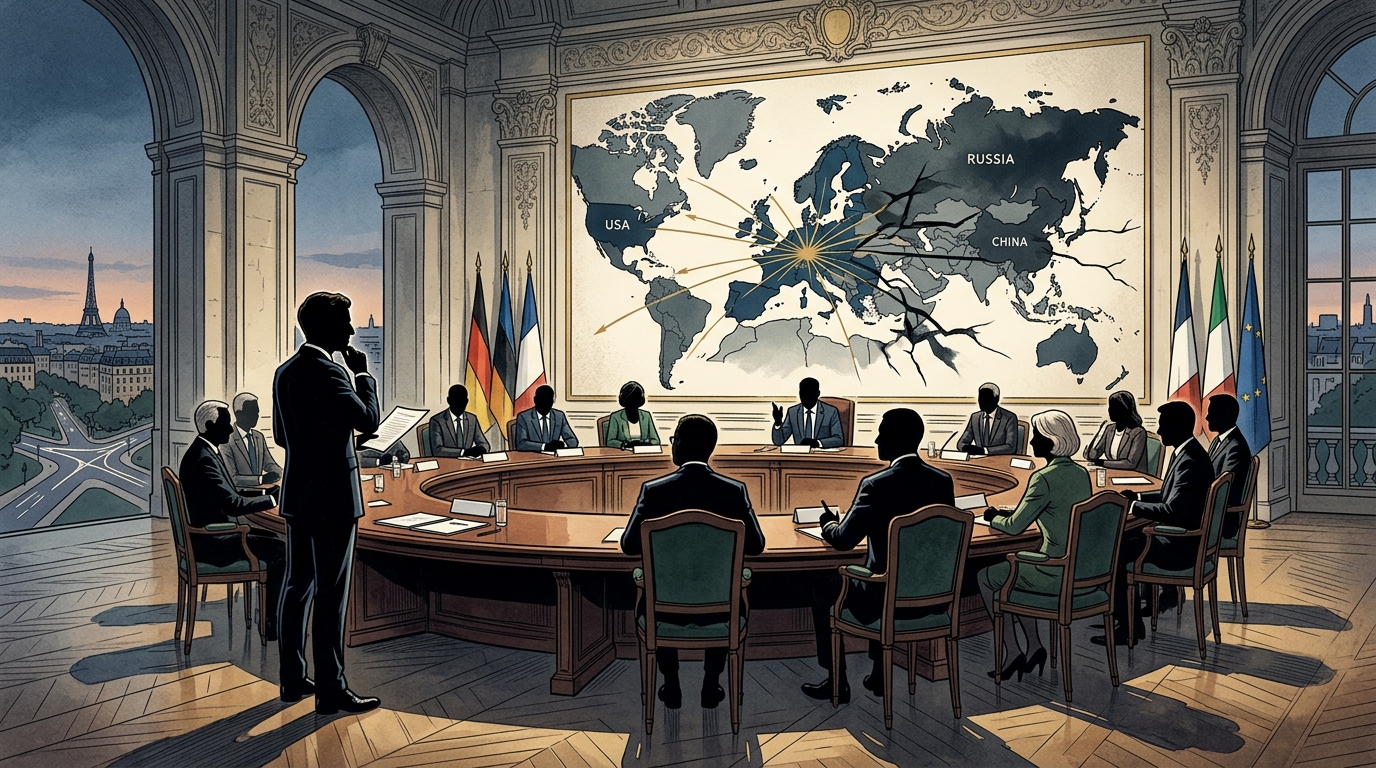
When Emmanuel Macron stood at the podium of the Sorbonne University in 2024, his words echoed as a warning that many chose to ignore: "Our Europe is mortal. It can die." Today, in April 2026, this statement no longer feels like a rhetorical flourish, but an urgent existential diagnosis. The concept of "strategic autonomy"—once a French ideological construct viewed with suspicion by European partners—has now become the only path to survival in a world redefined by great power competition.
Awakening from the Security Slumber
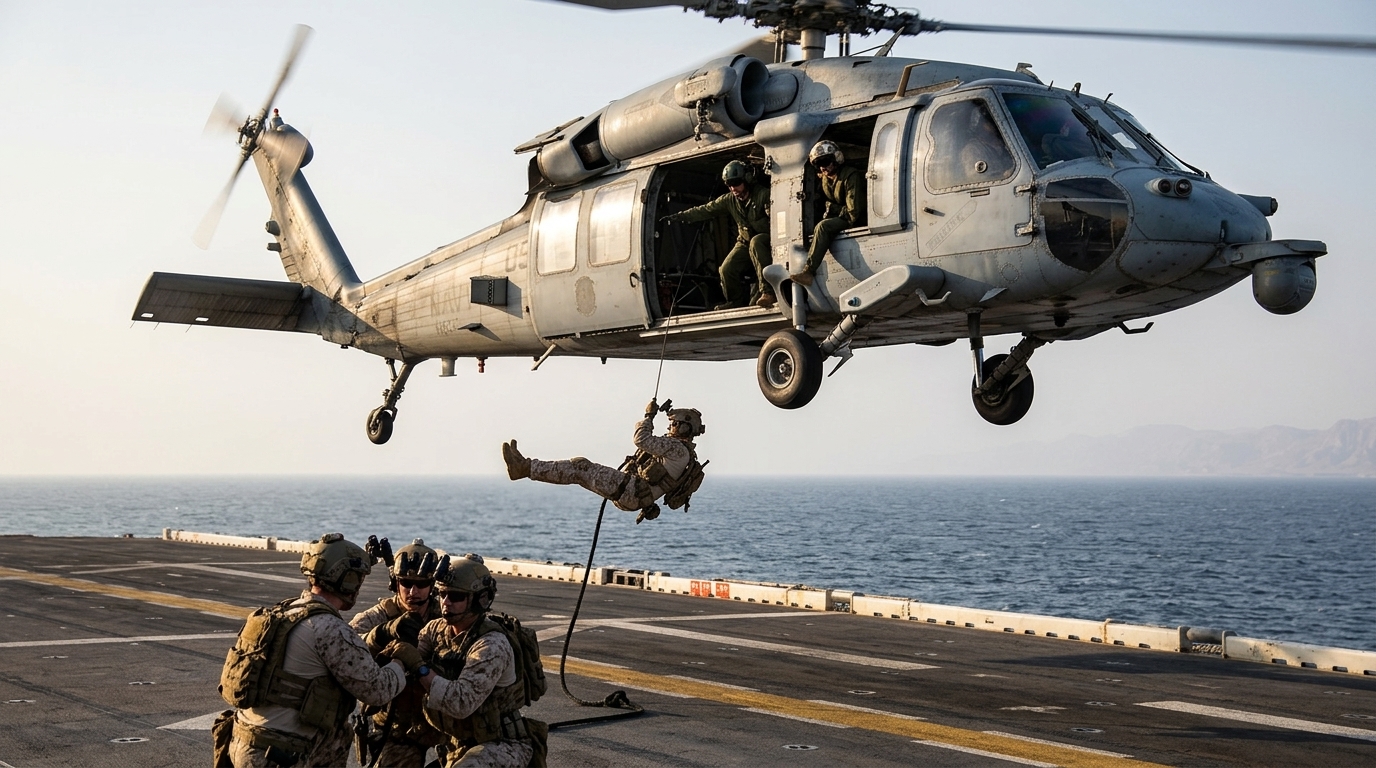
For decades, Europe thrived under the security umbrella of the United States, relying on cheap Russian energy and exports to China. This model has violently collapsed. Strategic autonomy, as envisioned by Macron, is not about isolationism; it is about Europe's capacity to choose its own destiny. In the realm of defense, this means transitioning from a collection of national armies to a truly integrated defense industry. Dependence on NATO remains pivotal, but political uncertainty in Washington has taught Brussels that Europe must be able to defend its borders and interests, even if its traditional ally chooses inwardness.
The creation of a European Defense Fund and joint procurement of weapon systems are no longer theoretical plans. They are the response to the need for "hard power." Macron argues that without its own defense capability, Europe will remain a "geopolitical adolescent" in a world full of cynical adults. The challenge here is twofold: convincing Eastern European nations that Paris and Berlin are serious about their protection, and overcoming the national egos of defense industries competing for the same funds.
Economic and Technological Sovereignty
Strategic autonomy extends far beyond tanks and fighter jets. At its core lies economic power. Mario Draghi’s report on competitiveness, published some time ago, made it clear that Europe is missing the innovation train. While the US and China generously subsidize their own tech and green energy industries, Europe remains trapped in labyrinthine regulations and a fragmented capital market.
- Artificial Intelligence: Europe must develop its own Large Language Models (LLMs) and computing infrastructure to avoid becoming a digital colony of American giants.
- Energy Independence: Decarbonization is not just a climate imperative, but a geopolitical weapon.
- Supply Chains: The production of semiconductors and critical raw materials must return to European soil or "friendly" nations (friend-shoring).
Macron is pushing for a "Buy European Act," a move that causes friction with the WTO but is deemed necessary to protect the European industrial base. The logic is simple: if we do not protect our companies while others protect theirs, we will soon have no companies left.
The Politics of Survival
The big question remains: is there the political will? The Europe of 27 is often cumbersome, with differing priorities and historical traumas. Strategic autonomy requires a new social contract at the European level. It requires joint debt issuance to fund the massive investments needed—something Germany and the "frugals" of the North still view with skepticism.
"Sovereignty is not a word; it is a state of power. If you are not at the table, you are on the menu," a European diplomat once pointedly remarked.
In conclusion, the path Macron charts is steep but singular. The Europe of 2026 is called upon to prove that it can transform from a commercial giant into a geopolitical power. Strategic autonomy is no longer a luxury choice; it is the shield protecting the continent's democratic values and social model against an increasingly hostile world.