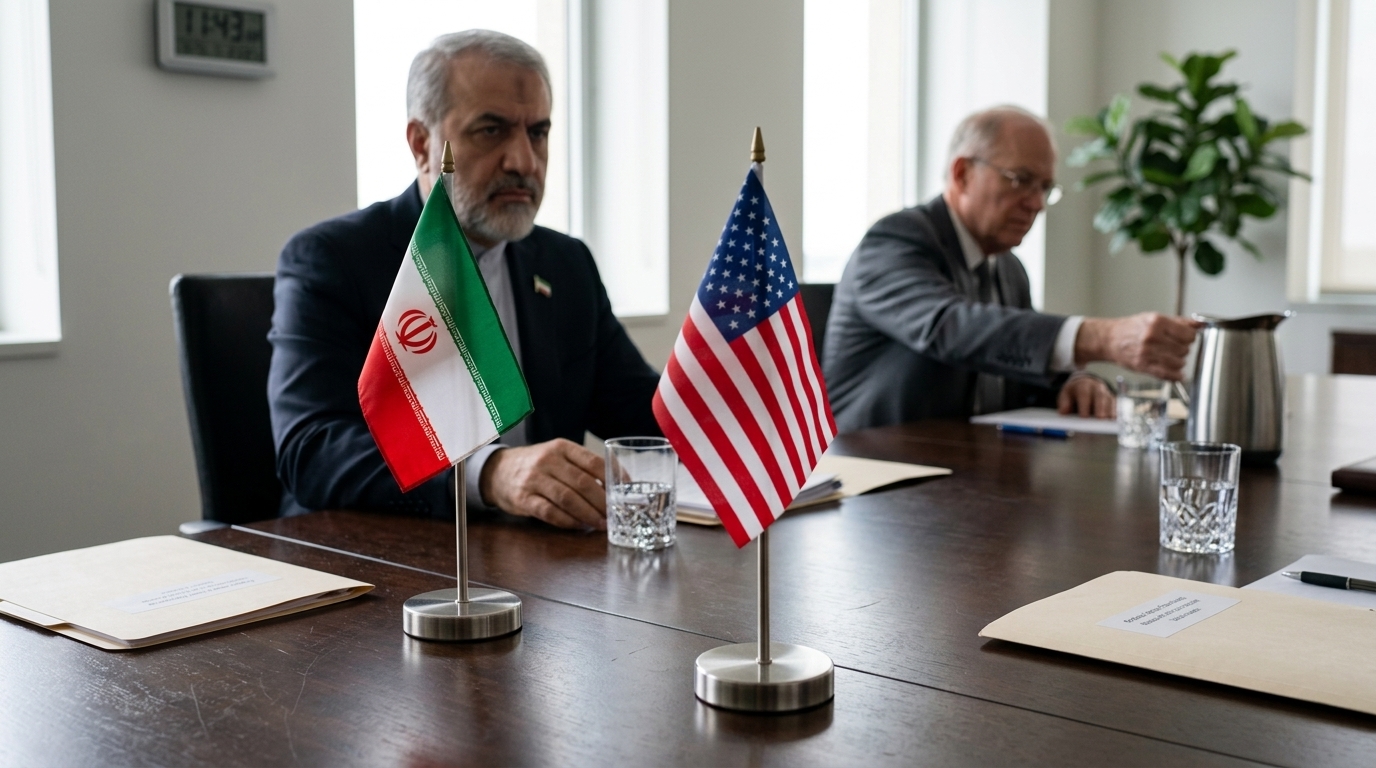
In a historic shift reshaping the security architecture of Eastern Europe, Lithuania has formally expressed its desire to become an "integral part" of the West's nuclear deterrence. President Gitanas Nausėda's recent statements are not merely a reaction to current tensions, but a profound geopolitical admission: the era of conventional defense as a sufficient guarantee for the Baltic states has ended. With Moscow already deploying tactical nuclear weapons on Belarusian soil, Vilnius feels that Russia's "nuclear shadow" demands an equivalent response within NATO's borders.
The Strategy of Nuclear Sharing
Lithuania's reference to nuclear deterrence directly points to NATO's "Nuclear Sharing" program. Under this framework, the United States stations nuclear warheads (primarily B61 bombs) in European nations, which in turn provide dual-capable aircraft for their delivery. To date, this elite group includes Germany, Italy, Belgium, the Netherlands, and Turkey. Lithuania's aspiration to join this arrangement—or at least host supporting infrastructure—signals the collapse of one of the last great taboos of the post-Cold War era.
Lithuania’s military leadership argues that the presence of nuclear capabilities in the region would act as the ultimate deterrent against any Russian adventurism in the Suwalki Gap. This narrow strip of land, connecting Poland to the Baltic states and separating Kaliningrad from Belarus, is considered the Alliance's "Achilles' heel." For Vilnius, nuclear deterrence is not a matter of aggression, but of survival.
Responding to Russian Escalation
This move does not occur in a vacuum. Since 2023, Russia has intensified its rhetoric and taken actions that the West characterizes as "nuclear blackmail." The deployment of Russian tactical nuclear weapons in Belarus has radically altered security calculations. Lithuania, bordering both Belarus and the Russian enclave of Kaliningrad, now finds itself at the heart of a region with the highest concentration of military forces in Europe.
- Strengthening NATO's eastern flank with permanent bases.
- The need for air force modernization with F-35 aircraft.
- Political pressure on Washington for a more decisive stance.
Analysts point out that Lithuania is following the example of Poland, which has also expressed interest in hosting American nuclear weapons. This "Polish-Lithuanian axis" is now claiming the role of the new center of gravity for European defense, challenging the traditional caution of Berlin and Paris.
Challenges and Risks of a New Balance of Terror
Despite the enthusiasm in Vilnius, implementing such a plan faces enormous hurdles. First, the installation of nuclear weapons requires extremely costly and secure infrastructure that Lithuania currently lacks. Second, there is the risk of uncontrolled escalation. Moscow has repeatedly warned that expanding NATO's nuclear infrastructure eastward would be seen as an "existential threat," triggering countermeasures that could include the targeting of Lithuanian cities.
"We are not asking for war; we are asking for the deterrence that will prevent it. Peace in Europe can no longer be based on wishful thinking, but on strength," said a senior official from the Lithuanian Ministry of Defense.
At the European level, this debate is divisive. While Eastern European countries see nuclear deterrence as a necessity, many Western European capitals fear that such a move would undermine the Treaty on the Non-Proliferation of Nuclear Weapons (NPT) and lead to a new, more dangerous arms race. However, the mere fact that the issue is now being discussed openly shows how much the world has changed since February 2022. Lithuania no longer wants to be a spectator of developments, but a co-shaper of the new global order.