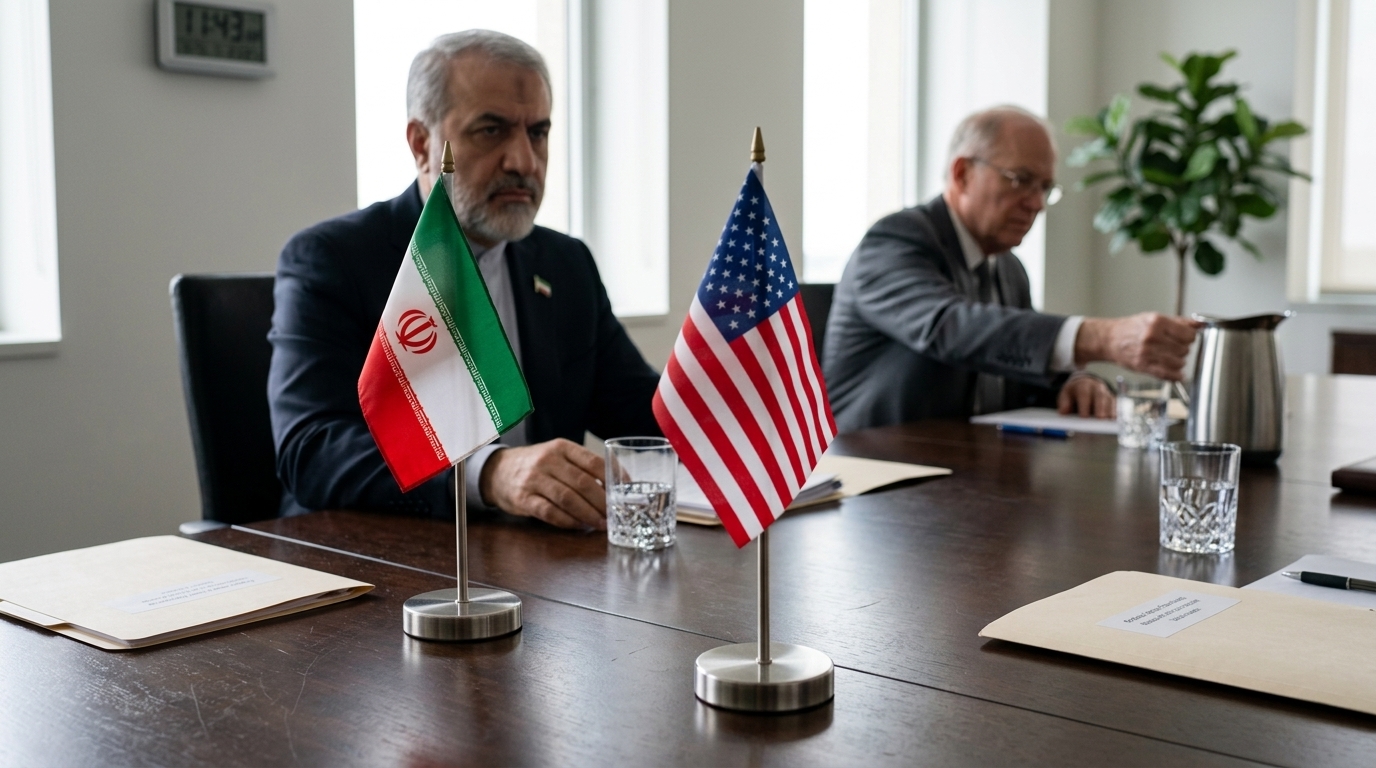
In a development that could be described as the most significant geopolitical shift of the decade, the United States and Iran have reached a draft memorandum of understanding aimed at defusing the long-standing nuclear crisis. The agreement, following months of back-channel deliberations on neutral ground, is not merely a return to the past but a new, pragmatic approach reflecting the energy and military realities of 2026. At the core of this accord lies Tehran's explicit commitment not to pursue nuclear weapons—a promise accompanied by stringent enrichment limits and unprecedented access for International Atomic Energy Agency (IAEA) inspectors.
The Pillars of the Agreement: Nuclear and Economic Reciprocity
The memorandum outlines a series of mutual concessions designed to build trust. Iran has agreed to cap its uranium enrichment levels well below weapons-grade thresholds while simultaneously reducing its current stockpile of highly enriched material. In return, the US government has committed to a temporary lifting of sanctions on Iranian oil exports, a move expected to inject millions of barrels of crude into international markets, exerting downward pressure on global prices.
Furthermore, the deal includes the unfreezing of $25 billion in Iranian assets held in international banks. These funds, under the agreement's framework, are strictly earmarked for humanitarian purposes: purchasing food and medicine, and rebuilding the country's aging infrastructure. The management of these resources will be monitored by international bodies to ensure they are not diverted toward military activities or the funding of regional proxies.
The Strategic Importance of the Strait of Hormuz
Perhaps the most critical point for the global economy is the commitment to fully reopen and guarantee security in the Strait of Hormuz. The Strait, through which one-fifth of the world's oil consumption passes, has frequently been a flashpoint for tension and threats. Iran's pledge to refrain from harassing commercial vessels and to cooperate in ensuring freedom of navigation is a major victory for global energy security.
This aspect of the agreement does not only concern the US and Iran; it directly impacts Europe and Asia. Stability in energy prices is vital for combating the inflation that has plagued Western economies. Simultaneously, de-escalating maritime tensions in the Persian Gulf reduces shipping insurance premiums and transport costs, providing much-needed relief to the global supply chain.
Challenges, Reactions, and the Path Ahead
Despite the optimism, the road to full implementation remains fraught with obstacles. Domestically in the US, opposition voices have launched fierce criticism, accusing the administration of appeasing an authoritarian regime. Similarly, in Iran, hardline factions view the deal as a capitulation to the "Great Satan." Israel, for its part, remains extremely skeptical, stating that it reserves the right to self-defense if it perceives that the nuclear threat has not been fully neutralized.
The success of the agreement will hinge on the verification mechanism. The IAEA must have unfettered access not only to declared nuclear sites but also to any location deemed suspicious. History has shown that trust is difficult to build and easy to destroy. However, the current situation suggests that both sides have exhausted the limits of confrontation and are seeking a path that allows for economic survival and the avoidance of a generalized conflict in the Middle East. The coming months will require careful diplomacy, as the balance between security and economic growth remains exceptionally delicate.