In the geopolitical chessboard of the 21st century, Artificial Intelligence (AI) is not merely a productivity tool but the ultimate instrument of power. For decades, Silicon Valley was regarded as the undisputed capital of technological innovation, with the United States leading the race without meaningful competition. However, as we move through 2026, this image is beginning to fracture. According to recent surveys and analyses highlighted by Politico, global public opinion is starting to see a different winner on the horizon—or at least, a world where America no longer holds the undisputed crown in every sector of AI.
The Deconstruction of the American Myth
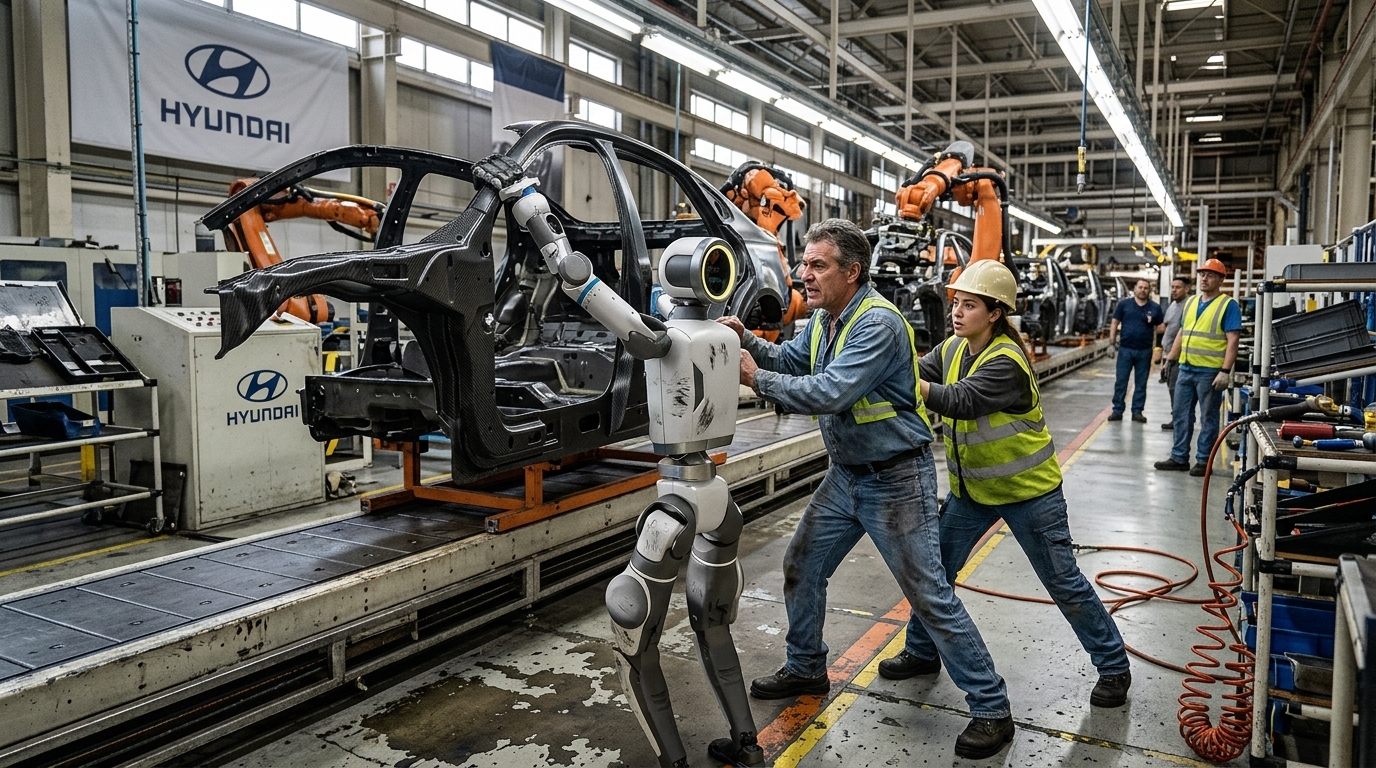
The perception that the US is "winning" the AI war was traditionally built on the dominance of companies like OpenAI, Google, and Microsoft. Yet, this hegemony is now being challenged from two directions: practical implementation and regulatory frameworks. While the US possesses the most powerful Large Language Models (LLMs), China has managed to integrate AI into daily infrastructure and industrial manufacturing at a pace the West struggles to match. In the Global South, from Southeast Asia to Africa, Chinese technology is not seen merely as an alternative, but as the foundational pillar of digital transformation.
"Power in the age of AI is no longer measured solely by the parameters of a model, but by a state's ability to export its digital vision," geopolitical analysts note.
Europe as the Ethical and Regulatory Victor
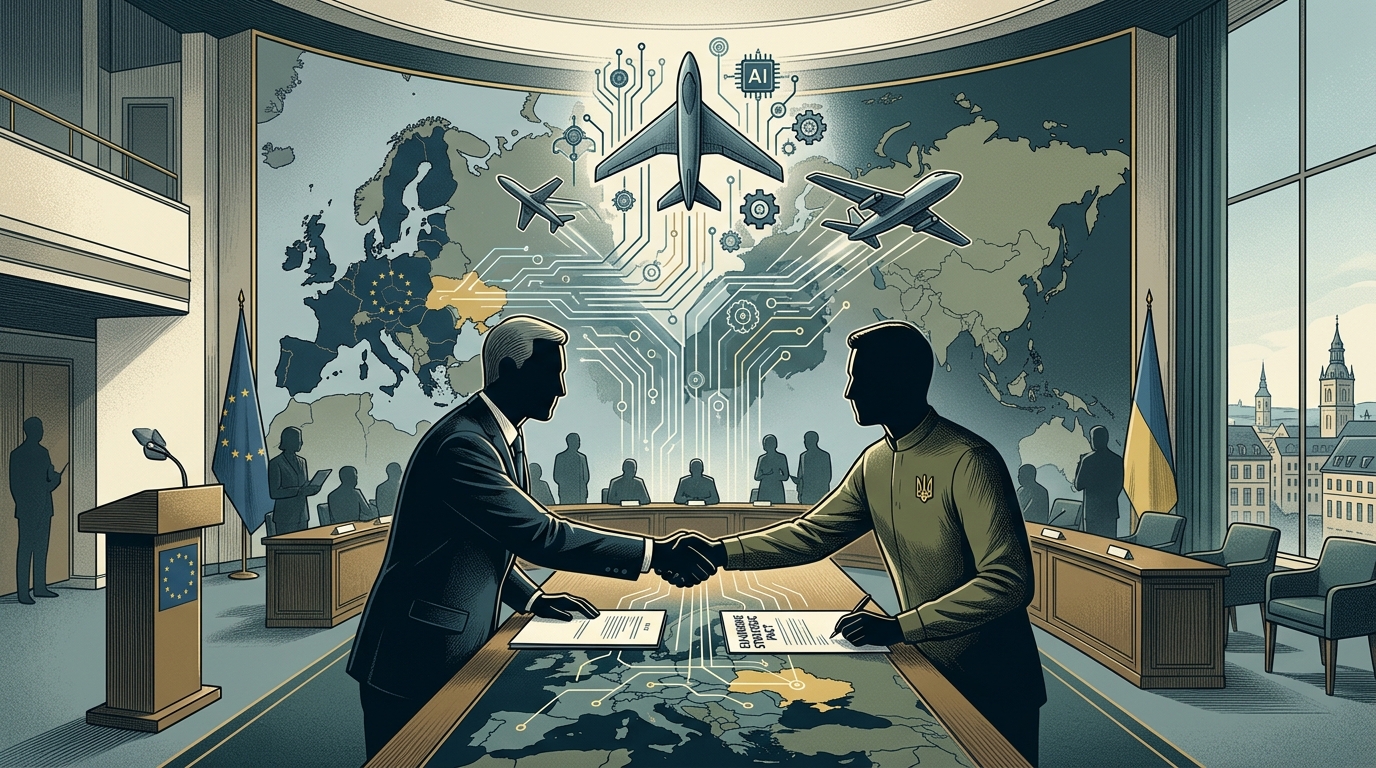
If China is winning in application and the US in innovation, the European Union appears to be winning the battle of standards. The EU AI Act has become the "gold standard" (the Brussels Effect) for emerging economies that fear the unchecked influence of Big Tech. Many citizens worldwide, particularly in Europe and Latin America, view the EU as the true "winner" regarding safety, ethics, and rights protection. This creates a new dynamic: America may have the code, but Europe is writing the rules of the game.
The Rise of Sovereign AI
Another factor eroding American primacy is the trend toward Sovereign AI. Countries like the United Arab Emirates, Saudi Arabia, and India are investing billions to develop their own domestic models, refusing to depend exclusively on the American cloud. This nationalization of technology means the world no longer views AI as an "American product" to be imported, but as a national infrastructure to be controlled. The perception that the US is the only player at the table has been replaced by the reality of a multipolar digital world.
- China dominates in surveillance AI and smart manufacturing.
- Europe leads in legislation and ethical governance.
- Gulf nations are emerging as new financiers and data hubs.
- India is utilizing AI to solve large-scale public sector challenges.
Conclusions for the Future
The shift in global perception reflects a deeper crisis of confidence in the American "free market" model of technology, which many view as chaotic or dangerous. If the US wishes to reclaim the title of undisputed leader, it must demonstrate that its technology can serve the global public good, rather than just the profits of Silicon Valley. For now, the world is looking elsewhere, seeking models that combine innovation with stability and national sovereignty.