The relationship between Brussels and Beijing has entered a new, chilly phase, where the diplomacy of words is giving way to a war of tariffs. The European Union, traditionally a champion of free trade, is now in the painful process of re-evaluating its dependence on the world's second-largest economy. The strategy of "de-risking," introduced by Ursula von der Leyen, is being tested in practice as both sides exchange warnings of retaliation that could shake the global supply chain.
The EV Battleground and Unfair Competition
At the heart of the standoff are Chinese electric vehicles (EVs). Following a months-long investigation, the Commission concluded that Beijing heavily subsidizes its domestic industry, allowing Chinese companies to flood the European market with artificially low-priced models. This "dumping" threatens to wipe out the European automotive industry, which serves as the backbone of the Old Continent's economy.
"We cannot allow China's state subsidies to destroy our industries in the way it happened in the solar panel sector a decade ago," said a high-ranking EU official.
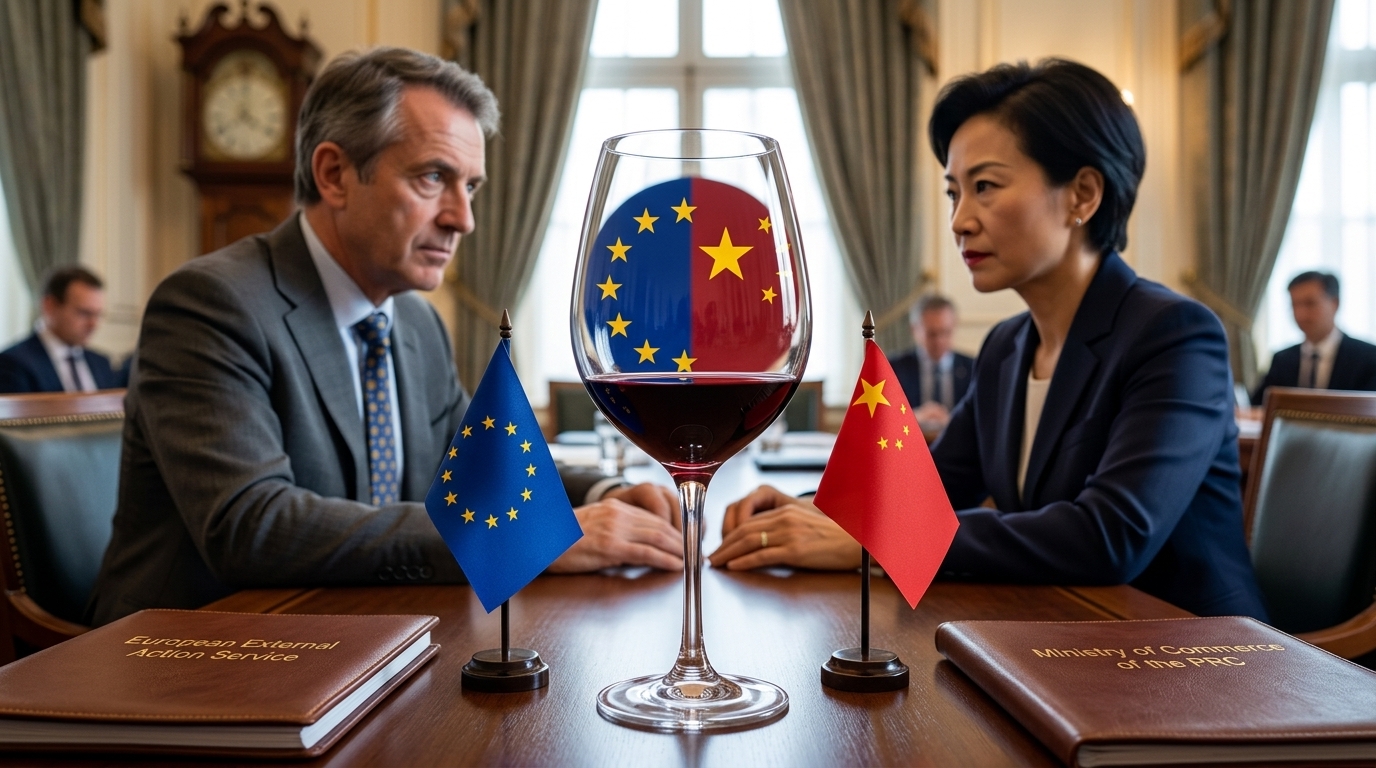
The EU's response with additional tariffs is not merely an economic measure but a declaration of sovereignty. However, this move carries significant risks. China is not sitting idly by. It has already launched anti-dumping investigations into European products such as brandy, pork, and dairy, strategically targeting member states like France and Spain to provoke cracks in European unity.
Infrastructure Security and the Digital Iron Curtain
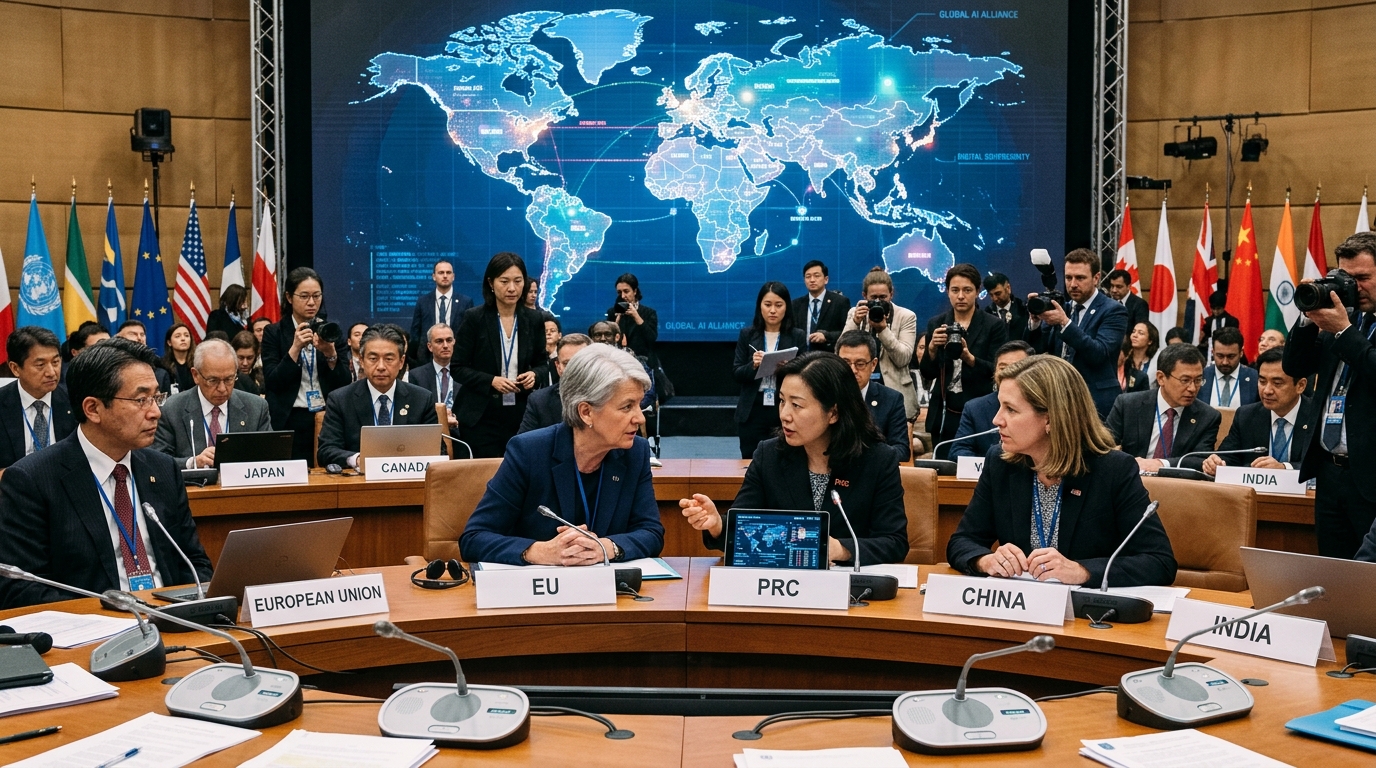
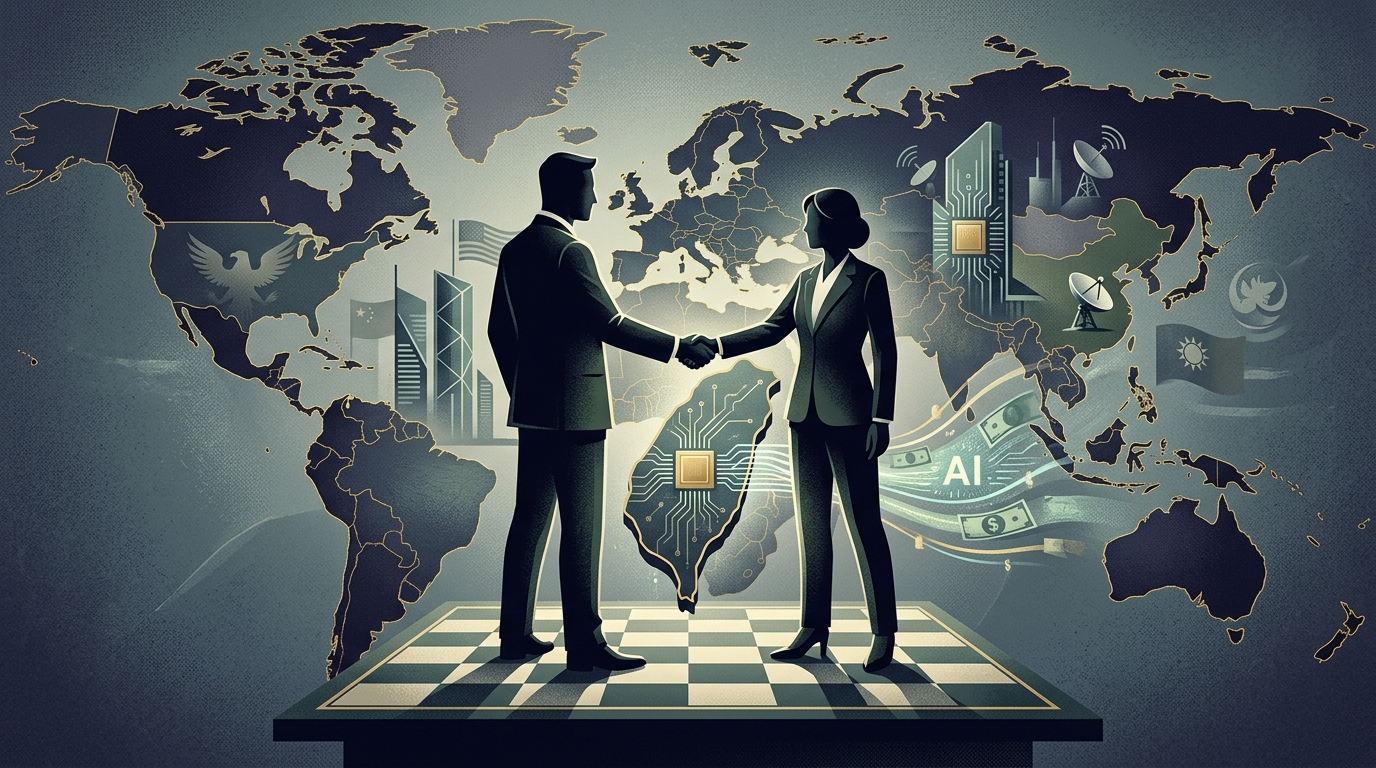
Beyond the trade of goods, the confrontation extends to technology and critical infrastructure. The EU's new framework for restricting Chinese companies in sectors like 5G networks, semiconductors, and artificial intelligence reflects a deep-seated mistrust. The concern that Chinese technology could be used for espionage or to control vital networks during a geopolitical crisis has led to stricter screening of foreign investments.
China, for its part, accuses the EU of "politicizing trade" and "protectionism under the guise of national security." Beijing argues that these moves violate World Trade Organization (WTO) rules and undermine the green transition, as Europe needs Chinese battery and photovoltaic technology to meet its climate goals.
The German Dilemma and European Cohesion
One of the most thorny issues in this standoff is Europe's internal division. Germany, with its massive automotive industry exposure (Volkswagen, BMW, Mercedes-Benz) to the Chinese market, appears particularly hesitant. German manufacturers fear that any retaliation from Beijing will hit their sales in China, which is their primary source of profit. Conversely, France is pushing for a more aggressive stance, seeking to protect domestic production.
- Germany seeks dialogue to avoid a full-scale trade war.
- France and Italy demand a "level playing field."
- Eastern European countries worry about security implications and Chinese infrastructure investments.
This lack of unanimity is Europe's "weak point," which Beijing attempts to exploit through bilateral diplomacy with individual member states. The EU's ability to remain united will determine whether it can negotiate from a position of strength or be forced into concessions.
Conclusion: Toward a New Global Order?
The EU-China trade standoff is not just a disagreement over tariffs. It is the prelude to a new era where economic interdependence is no longer seen as a guarantee of peace, but as a source of vulnerability. Europe is trying to find the "golden mean": protecting its economy without isolating itself from global technological progress. The outcome of this conflict will determine not only the future of European industry but also the Continent's position in the new bipolar world forming between Washington and Beijing. Who will blink first? The answer may lie in the ability of both sides to recognize that an all-out trade war will have no winners, only losers in an environment of increasing uncertainty.