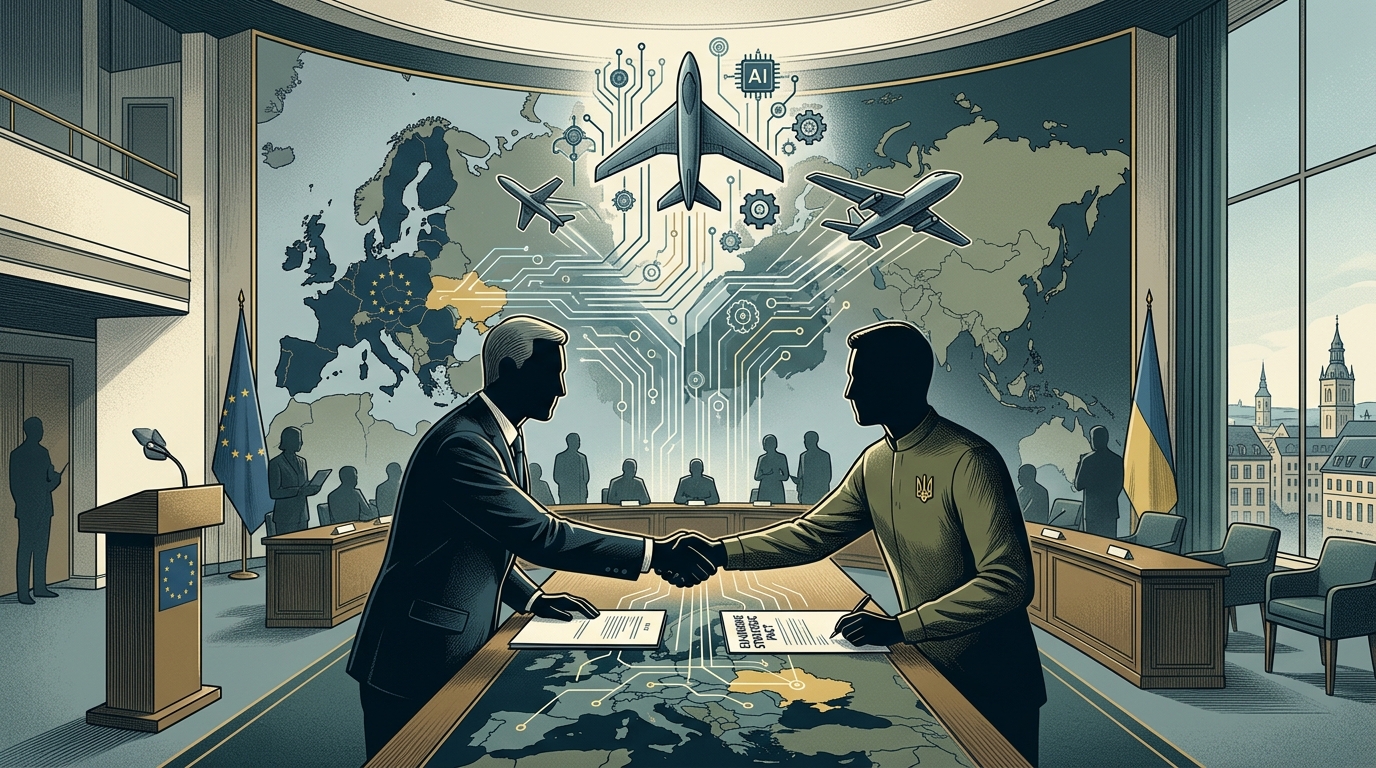
In a period where the geopolitical architecture of the Old Continent is being tested by the prolonged conflict in Ukraine, the recent statements by European Council President António Costa highlight the harsh reality of European diplomacy. The European Union, despite strict sanctions and unwavering support for Kyiv, chooses to keep communication channels open with Moscow. However, as Costa himself admitted, this effort resembles a monologue, as the Russian side shows no substantive willingness for peace negotiations based on international law.
The Strategy of "Cautious Contact"
Maintaining communication channels with an adversary in the midst of war is one of the most controversial tools of foreign policy. For Brussels, this choice is not a sign of weakness, but a necessary strategic move to avoid uncontrolled escalation. António Costa emphasized that Europe must be ready for the day after, whenever that may come, ensuring that the line of communication has not been completely severed.
This approach, however, raises internal reactions within the Union. The Baltic states and Poland often argue that any form of dialogue with the Kremlin is perceived by Vladimir Putin as weakness and gives Russia time to regroup. On the other hand, France and Germany, traditional supporters of the diplomatic route, see these channels as safety valves to prevent a nuclear accident or a generalized NATO-Russia conflict.
The Kremlin Wall and the Illusion of Negotiations
Despite diplomatic efforts, Costa's analysis is blunt: "We see no will for peace." Moscow continues to set terms that amount to Ukraine's capitulation and de facto recognition of occupied territories. In mid-2026, the Russian economy, though strained, has adapted to a "war production" regime, allowing the Kremlin to believe it can outlast Western support for Kyiv.
Analysts point out that Russia uses the rhetoric of "open doors for dialogue" only as a propaganda tool to divide European public opinion. In reality, military operations on the front and the ongoing hybrid attack against European infrastructure show that Moscow is investing in attrition rather than reconciliation. Costa made it clear that the EU is not going to fall into the trap of a "fake peace" that would merely be the prelude to the next war.
The Challenge of European Cohesion
António Costa's stance reflects the delicate balance the European Council must maintain. With the rise of populist movements in several member states calling for an end to aid to Ukraine "at any cost," the leadership in Brussels is called upon to convince citizens that freedom has a price. The EU's strategy remains focused on three pillars:
- Military and economic strengthening of Ukraine.
- Tightening and closing loopholes in sanctions.
- Diplomatic isolation of Russia at the international level, despite maintaining technical channels.
"Peace is not just the absence of war, but the presence of justice. If we accept a peace based on the might of the strongest, then we abolish the values on which Europe was built," Costa stated pointedly.
In conclusion, Europe is in a phase of "strategic patience." Maintaining channels with Moscow serves the need for information and the avoidance of misunderstandings on the ground, but the expectation for a diplomatic solution in the near future remains low. The ball is in Moscow's court, which, however, seems to be playing a completely different game, far from the rules of international diplomacy.