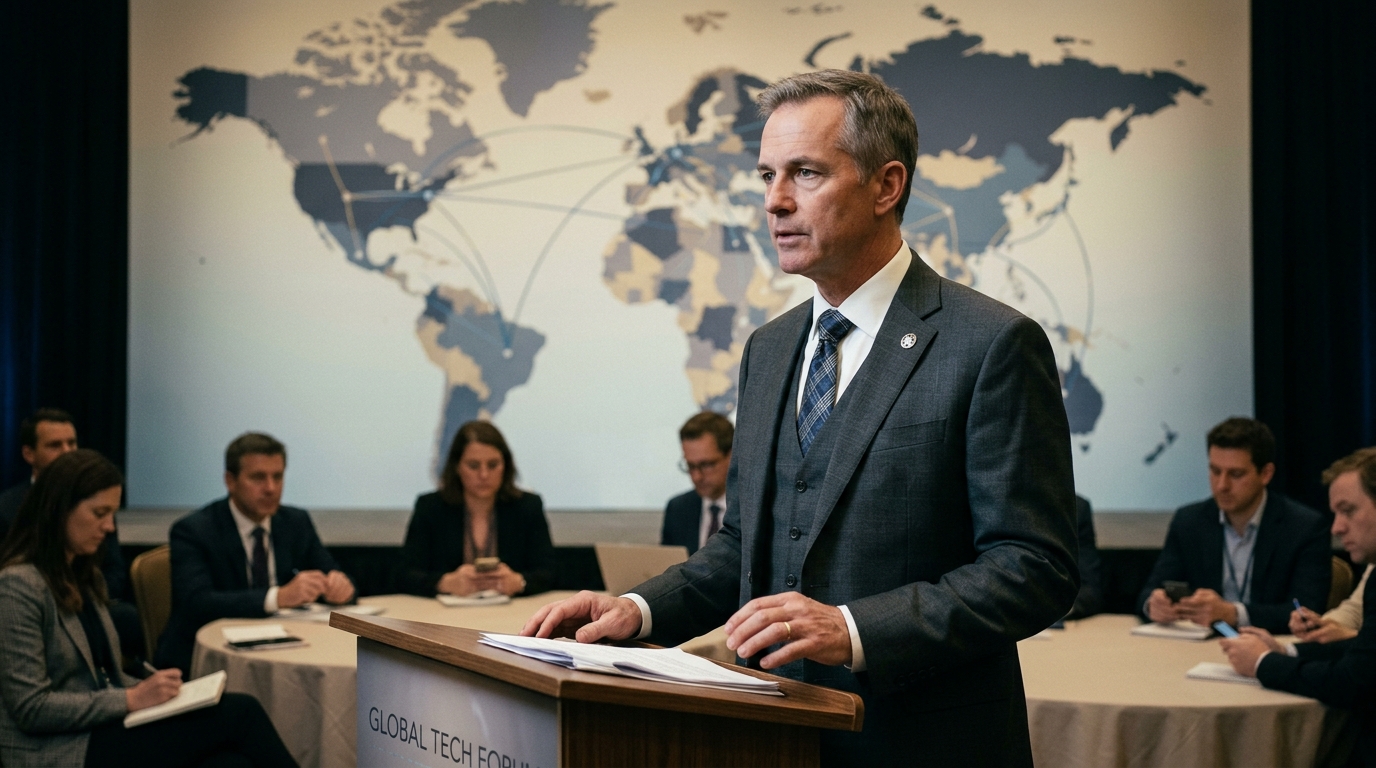
In the 21st century, the power of nations is no longer measured solely by the size of their armies or their stockpiles of natural resources, but by the lines of code and the computational power of their algorithms. As China accelerates its efforts to become the global leader in Artificial Intelligence (AI) by 2030, cybersecurity and geopolitical experts are sounding the alarm. The warning is clear: Beijing's progress is not merely an economic achievement, but a fundamental challenge to the global security architecture.
The Strategy of 'Fusion' and Digital Expansionism
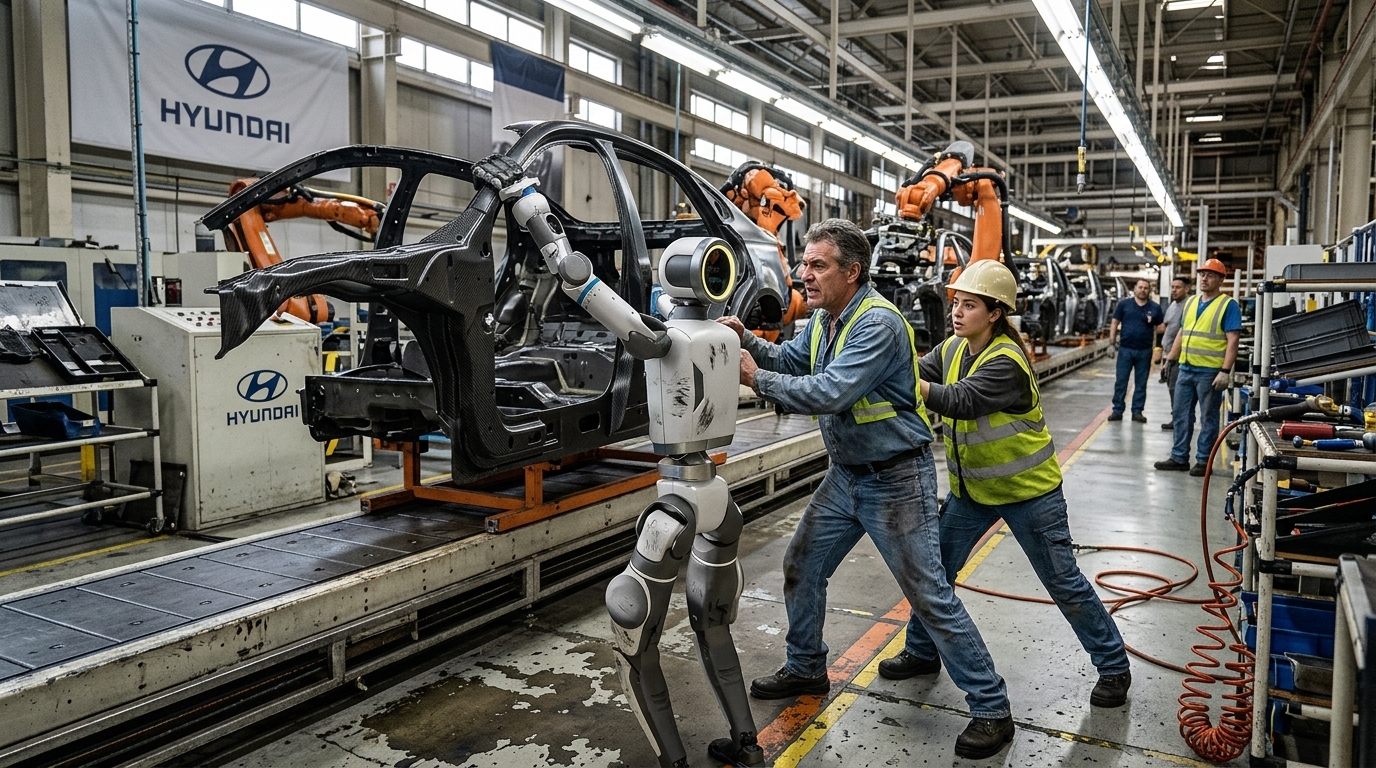
China follows a unique approach that Beijing calls "military-civil fusion." Unlike the West, where private tech companies often maintain a distance from state security agencies, the boundaries in China are blurred. This allows for the direct funneling of innovations from the commercial sector into the military and intelligence apparatus. Analysts point out that this structure gives Beijing an unfair advantage in the speed of adopting new technologies.
- Data as a Strategic Asset: With a population of over 1.4 billion and less stringent privacy regulations, China possesses an ocean of data to train AI models.
- State Subsidies: Billions of dollars are funneled into research centers and startups, creating an ecosystem that directly rivals Silicon Valley.
- Supply Chain Control: Despite Western sanctions, China remains a critical player in hardware manufacturing and rare earth mineral extraction.
Cybersecurity and the Threat of Automated Warfare
The greatest concern among experts involves the integration of AI into cyberattacks. Using algorithms to automatically discover zero-day vulnerabilities in critical Western infrastructure could be a game-changer in a potential conflict. "We are no longer talking about individual hackers, but systems that can attack at a speed and scale that humans cannot monitor," the report notes. The use of deepfakes to destabilize democratic processes and the use of AI to perfect state surveillance are already a reality.
"Artificial Intelligence is to the 21st century what nuclear weapons were to the 20th. Whoever controls it, controls the rules of the game."
The Western Response and the Risk of Decoupling
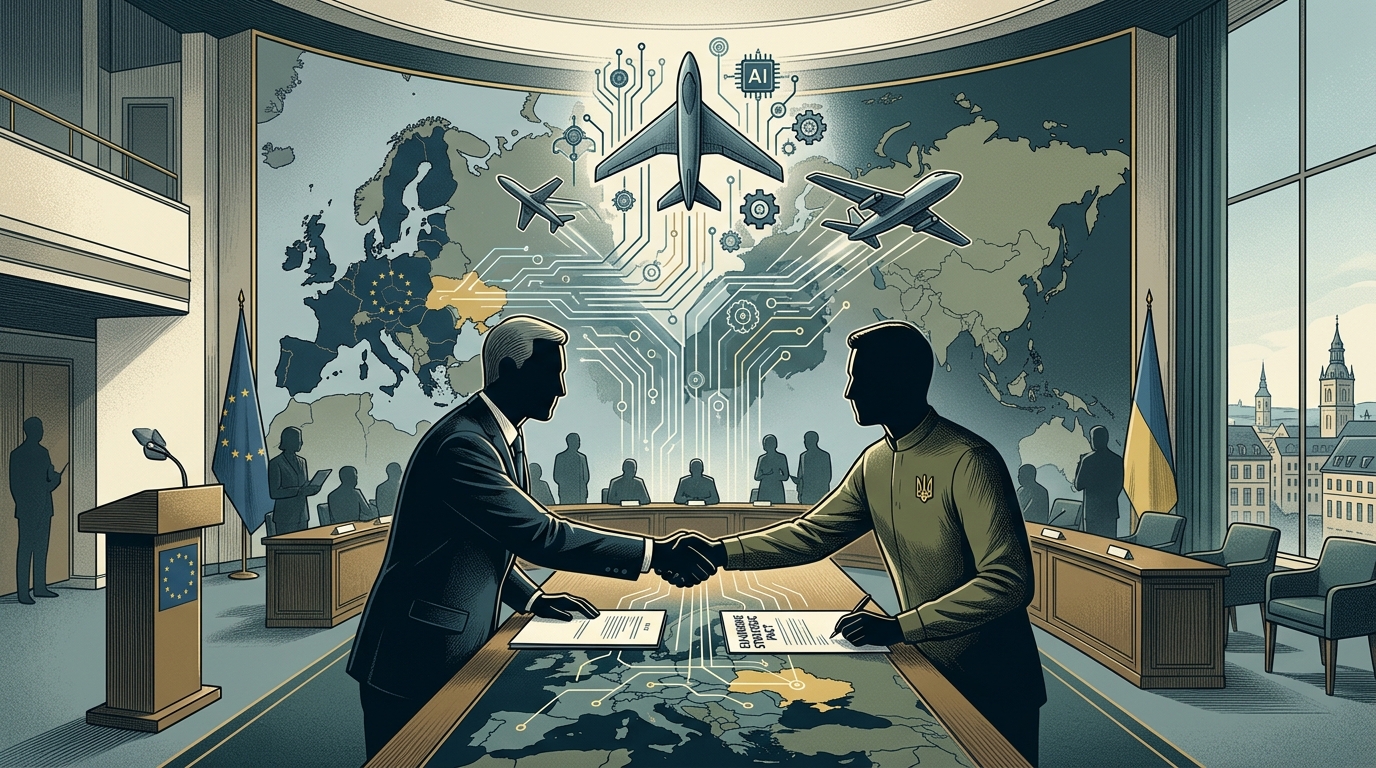
The United States and its allies have responded with strict export controls on advanced semiconductors, attempting to slow Chinese progress. However, this strategy carries risks. Pressure may drive China to achieve self-sufficiency faster and create an alternative technological ecosystem, leading to "technological bipolarity." In this scenario, the world would be split into two spheres of influence with incompatible standards, software, and hardware, further complicating global cooperation on critical issues like climate change.
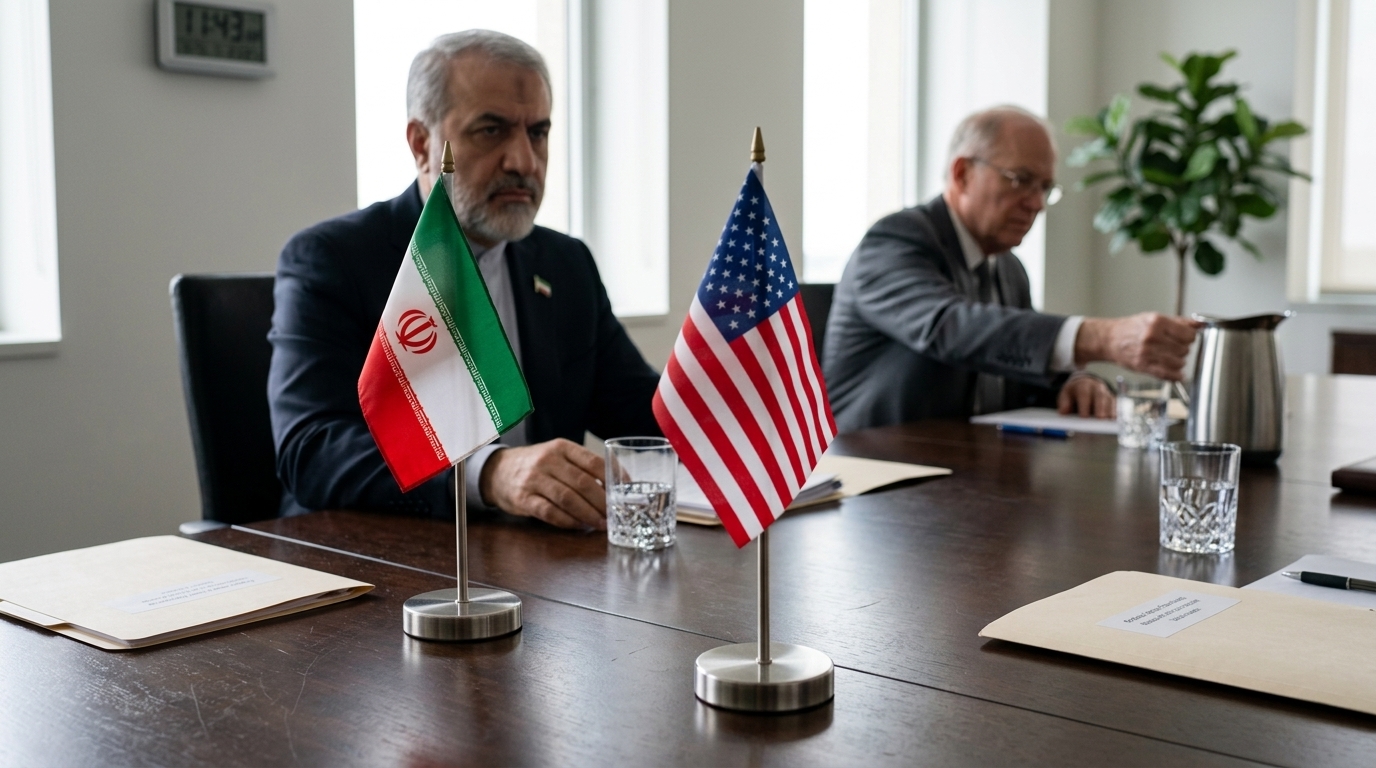
In conclusion, the competition for AI is not a simple trade war. It is a battle for the values that will govern our digital future. The need for international norms and ethical frameworks is more urgent than ever, yet achieving consensus remains an unsolved puzzle in an environment of deep-seated mistrust.