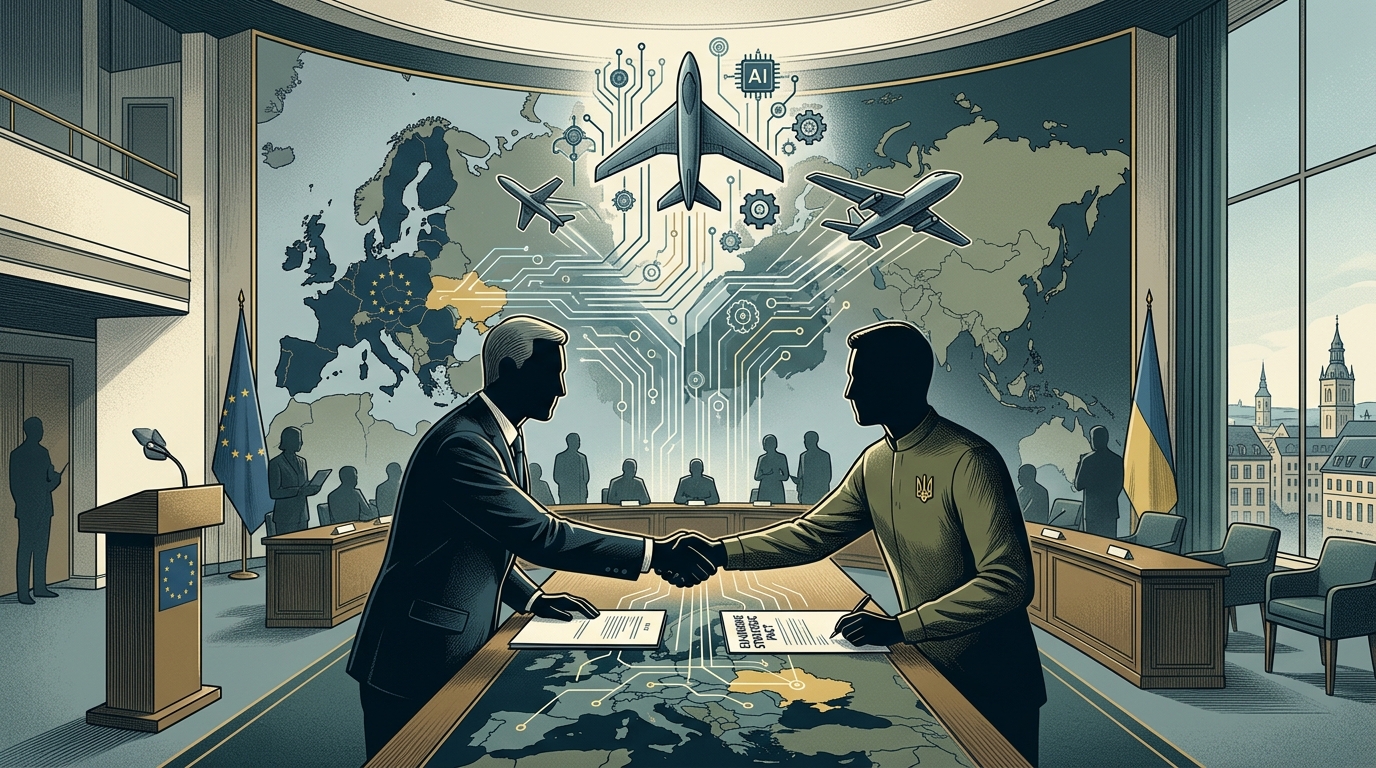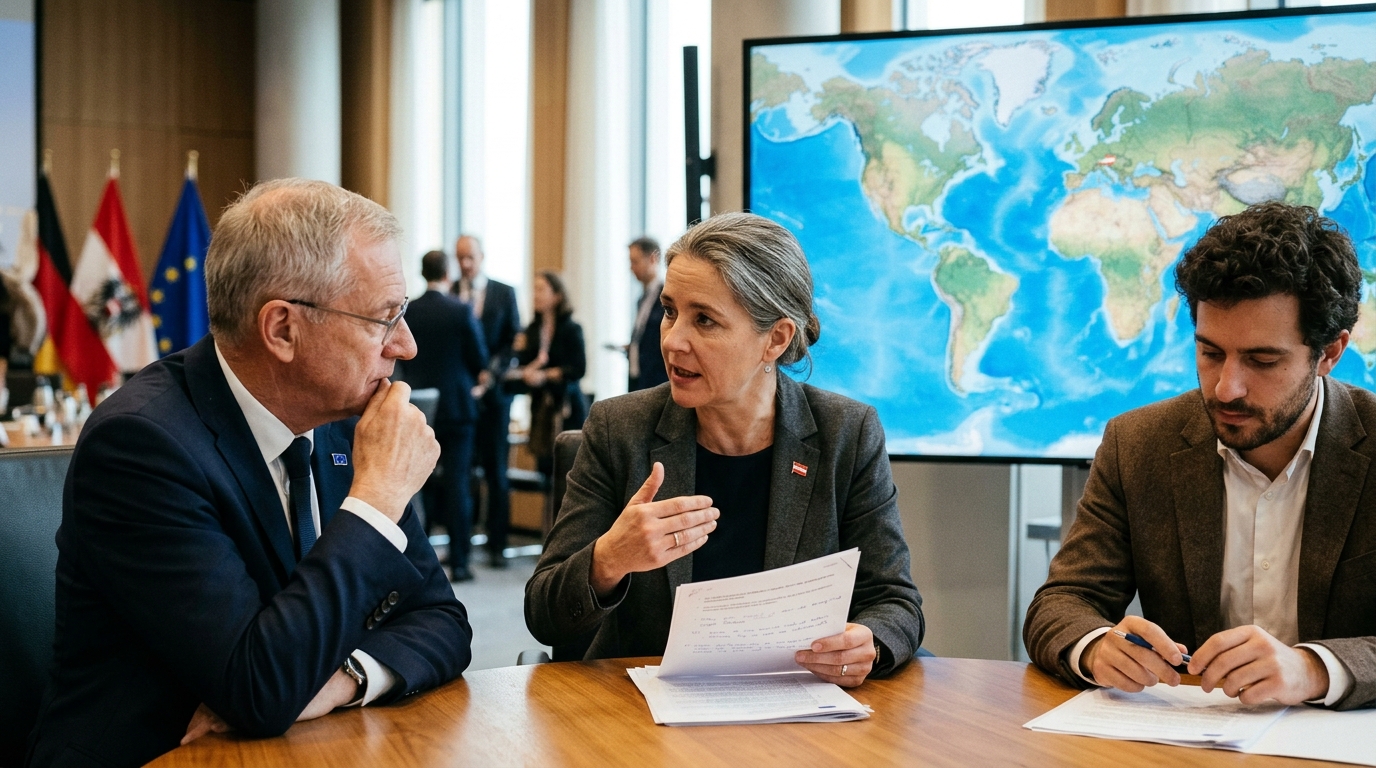
In a move that could redraw the global map of artificial intelligence, Austria is spearheading a diplomatic effort within the European Union to court Anthropic PBC, one of the world's leading AI laboratories. This initiative comes as a direct response to recent decisions by the U.S. government to restrict foreign access to its most advanced AI models, citing national security concerns. Vienna views this vacuum as a golden opportunity for Europe to establish its own "digital sovereignty."
The New "Silicon Curtain"
Washington's decision to impose export controls and access restrictions on cutting-edge AI models—such as those developed by Anthropic and OpenAI—has sent shockwaves through international relations. These restrictions no longer apply solely to hardware (chips) but now target the software itself and the critical model weights. In this climate, Austria argues that Europe must provide a "safe harbor" for companies seeking to operate in an environment with clear, predictable rules, such as those established by the EU AI Act.
According to diplomatic sources, the Austrian government has already initiated exploratory talks with Anthropic’s leadership, proposing the creation of a major European hub. This would include not just corporate offices but state-of-the-art data centers. The proposal features tax incentives and, crucially, a guarantee that the company could serve its international clientele without interference from the U.S. Department of Commerce's restrictive mandates.
Why Anthropic is the Strategic Choice
The choice of Anthropic is no coincidence. Founded by former OpenAI executives with a focus on "AI safety and alignment," the company is seen as the ideal partner for European values. Its philosophy of "Constitutional AI" aligns perfectly with the EU’s regulatory framework, which prioritizes fundamental rights and ethical technology usage. Austria contends that if Anthropic moves a significant portion of its operations to Europe, it could serve as the cornerstone for a European AI ecosystem independent of the whims of Washington or Beijing.
- Attracting top-tier global talent to European soil.
- Developing massive compute infrastructure within EU borders.
- Strengthening collaboration between academia and industry.
- Ensuring European businesses have access to AI models without geopolitical risk.
Challenges and Geopolitical Balancing
However, Austria's gambit is fraught with challenges. Relocating or significantly expanding a U.S. company of this magnitude to the EU would require gargantuan investments in energy and infrastructure—areas where Europe still struggles to match the U.S. scale. Furthermore, there is the looming risk of diplomatic retaliation. Washington may view this move as an attempt to circumvent its national security interests, potentially straining relations within NATO and transatlantic trade agreements.
"Artificial intelligence is the new oil, but with the difference that its refinement requires not just energy, but political stability. Europe can offer both," stated a high-ranking Austrian official.
The debate is expected to dominate the next summit of EU Telecommunications and Digital Policy ministers. If Austria’s proposal gains traction, we could witness a significant power shift in the tech industry, with Vienna positioning itself as a key mediator in an era where technology is the primary weapon on the geopolitical chessboard.
The Quest for Digital Sovereignty
Ultimately, Austria's push highlights the growing anxiety in Europe regarding dependence on foreign tech platforms. As AI permeates every facet of the economy and public administration, the ability to control these tools becomes a matter of national and European survival. Anthropic, backed by the EU, could become the first example of a "multinational AI" operating under a truly international and transparent regime, free from the protectionism of global superpowers.