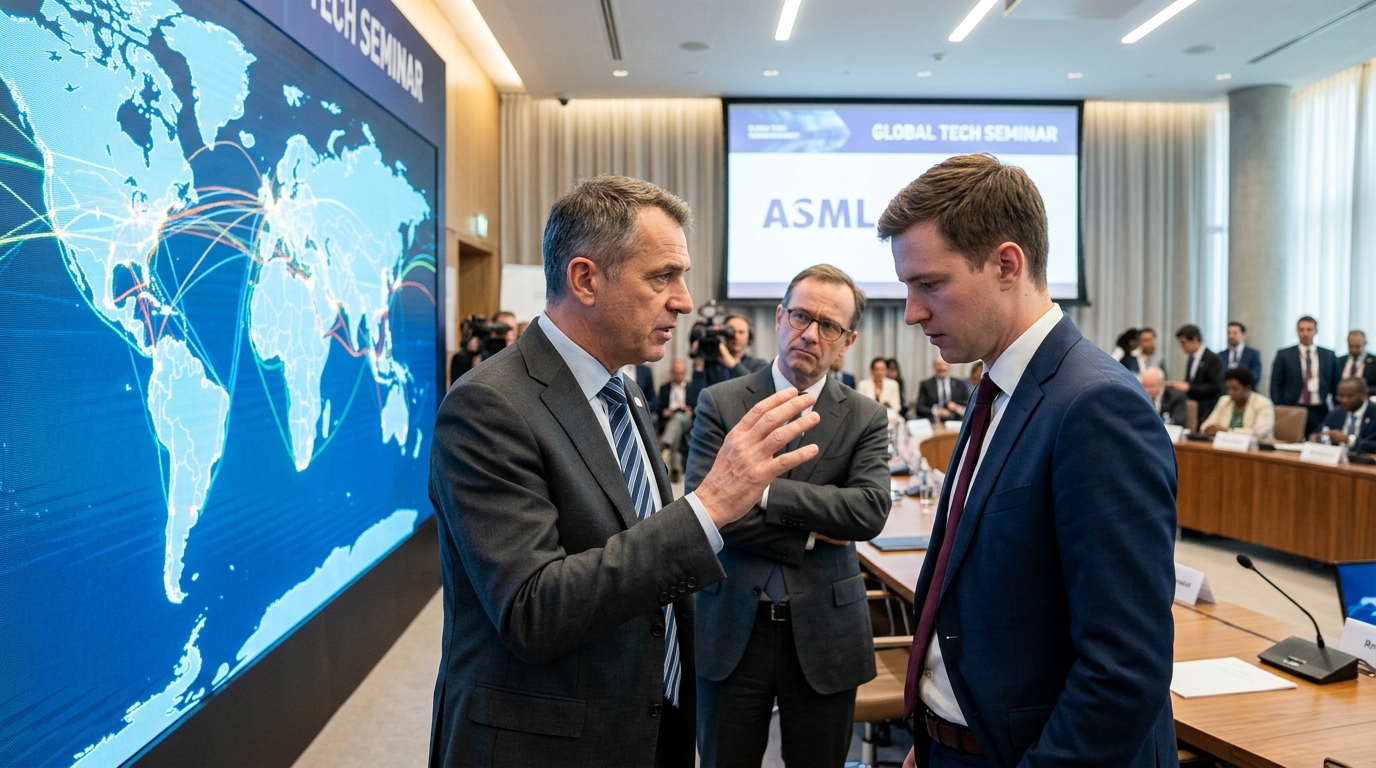
In a development that threatens to upend the foundations of the ongoing global tech war, the United States government has issued a high-level warning to the Dutch semiconductor giant ASML Holding NV. Commerce Secretary Howard Lutnick reportedly delivered a classified and deeply troubling assessment to the company’s leadership: one of its most advanced lithography machines—subject to stringent export controls—may have reached Chinese soil.
This revelation, first brought to light by Bloomberg, is not merely a bureaucratic lapse; it is a geopolitical bombshell. ASML is the world’s sole provider of Extreme Ultraviolet (EUV) and advanced Deep Ultraviolet (DUV) lithography systems, the sophisticated tools required to etch the world’s most advanced microchips. Without these machines, producing chips at nodes below 7 nanometers is practically impossible. If China has successfully bypassed the Western technological blockade, the U.S. strategy of containment faces a moment of existential crisis.
The Shadow Supply Chain and Regulatory Blind Spots
The question haunting ASML’s headquarters in Veldhoven is: how? These machines are massive, roughly the size of a double-decker bus, consisting of hundreds of thousands of components, and requiring constant maintenance by ASML’s own highly specialized engineers. The idea of smuggling such a system into China sounds like a plot from a spy thriller, yet the reality of the global supply chain is often more porous than policymakers would like to admit.
Analysts suggest that Beijing may have utilized a sophisticated network of front companies in third-party jurisdictions, such as Southeast Asia or the Middle East, to acquire refurbished equipment or divert orders intended for other markets. Furthermore, there is growing concern regarding the "cannibalization" of older systems, where Chinese firms like SMIC (Semiconductor Manufacturing International Corp) utilize spare parts and reverse-engineering to upgrade existing production lines to capabilities the West previously deemed unattainable for them.
Diplomatic Friction: Washington vs. The Hague
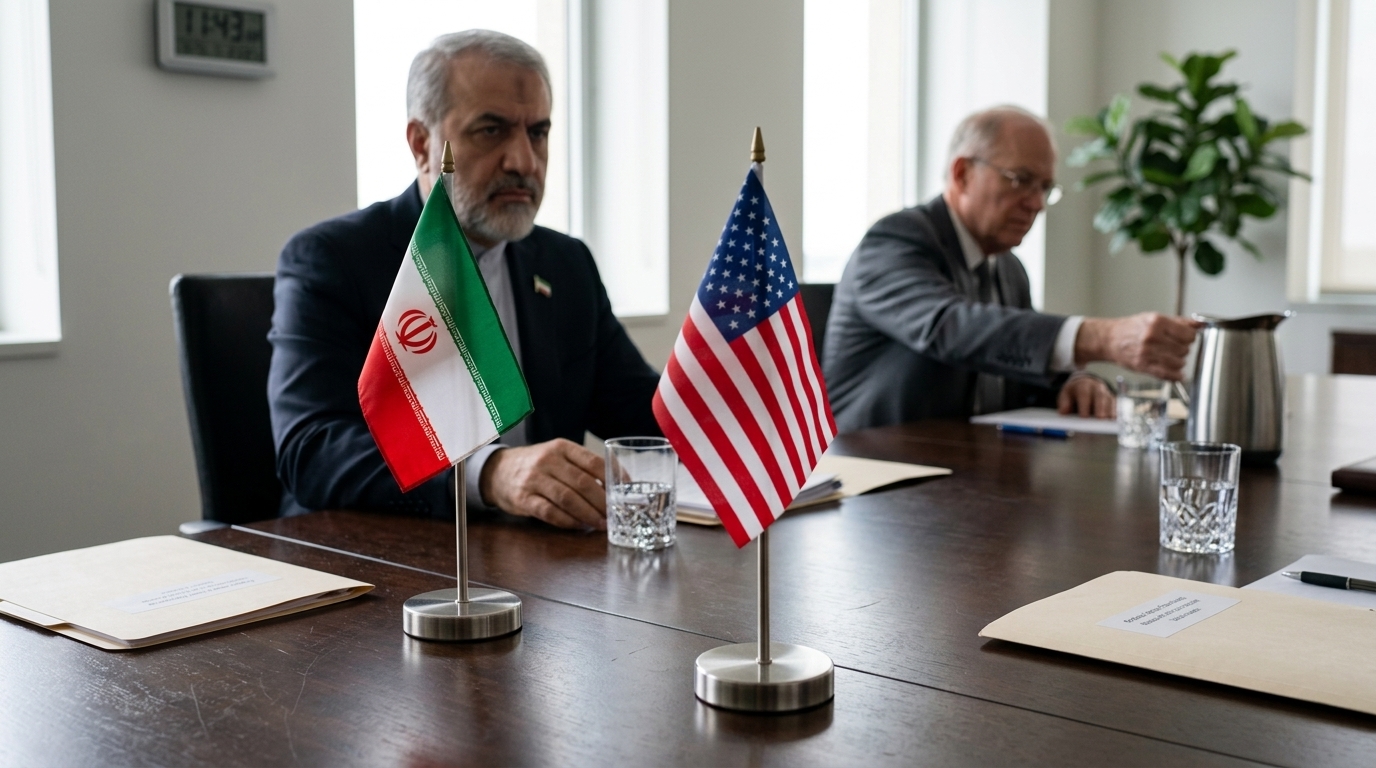
Lutnick’s intervention underscores Washington’s growing impatience with The Hague. While the Dutch government has largely aligned itself with U.S.-led export restrictions, ASML remains a private entity with massive financial stakes in the Chinese market. For years, China was one of ASML’s largest customers for legacy equipment, creating a symbiotic relationship that is difficult to sever without significant economic pain.
The U.S. is now pushing for even tighter controls, focusing not just on the sale of new hardware but on the servicing and maintenance of systems already installed in China. If ASML were to cease technical support, Chinese fabs could potentially grind to a halt within months. However, such a move would be viewed as an act of economic warfare, likely triggering retaliation from Beijing against other sectors of the European economy, from automotive to agriculture.
The Twilight of Semiconductor Globalization
This incident signals the definitive end of an era where technology knew no borders. Today, semiconductors are the "new oil," and controlling the means of their production is a matter of national sovereignty. If it is confirmed that China now possesses ASML’s top-tier tools, it would represent a catastrophic failure of the "Small Yard, High Fence" policy initiated by the Biden administration and accelerated by the current leadership.
China is not a passive actor in this drama. It is pouring billions into its domestic lithography programs, attempting to replicate or leapfrog ASML’s technology. While the technological gap remains significant, every leak of Western IP or hardware shortens Beijing’s path to self-sufficiency. The stakes are no longer just about corporate quarterly earnings; they are about the fundamental balance of power in the 21st century. The silicon curtain has fallen, and it is increasingly unclear who remains on the winning side.