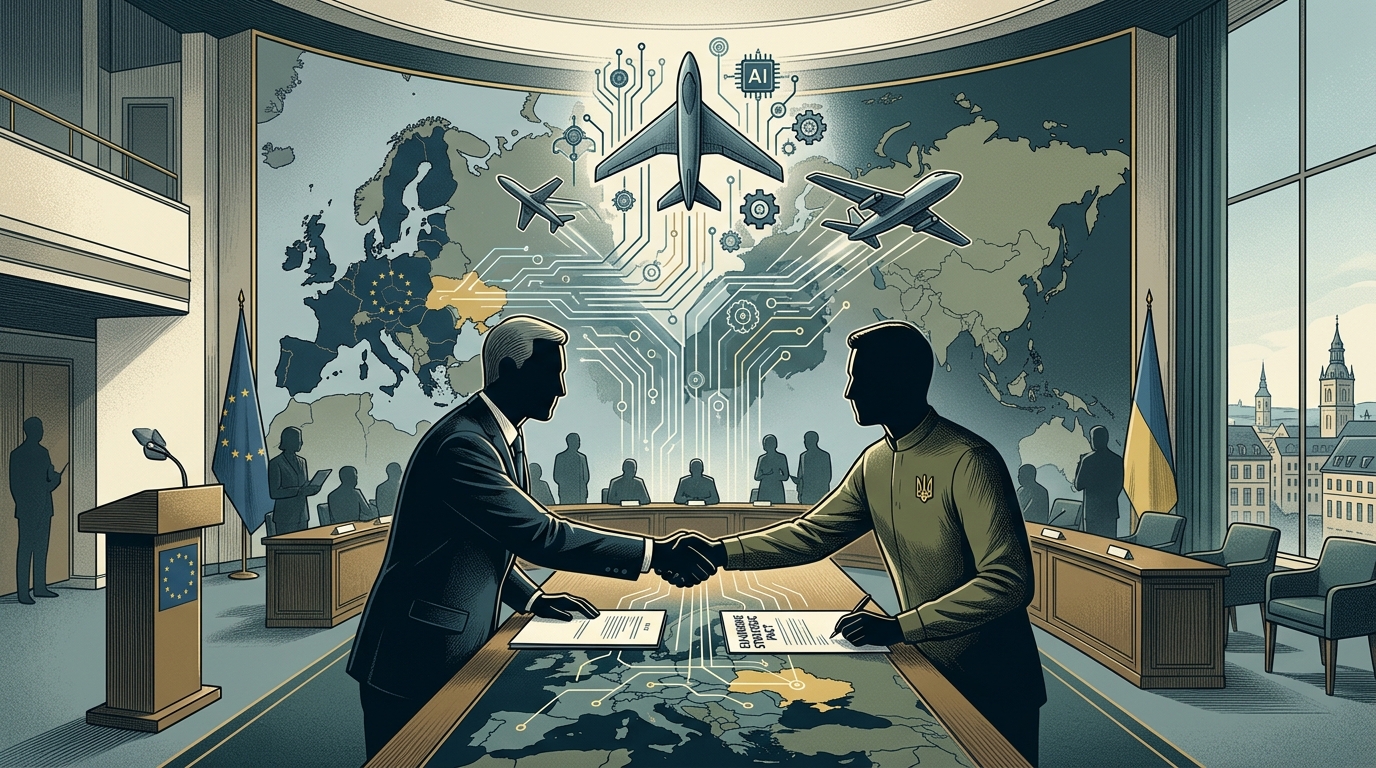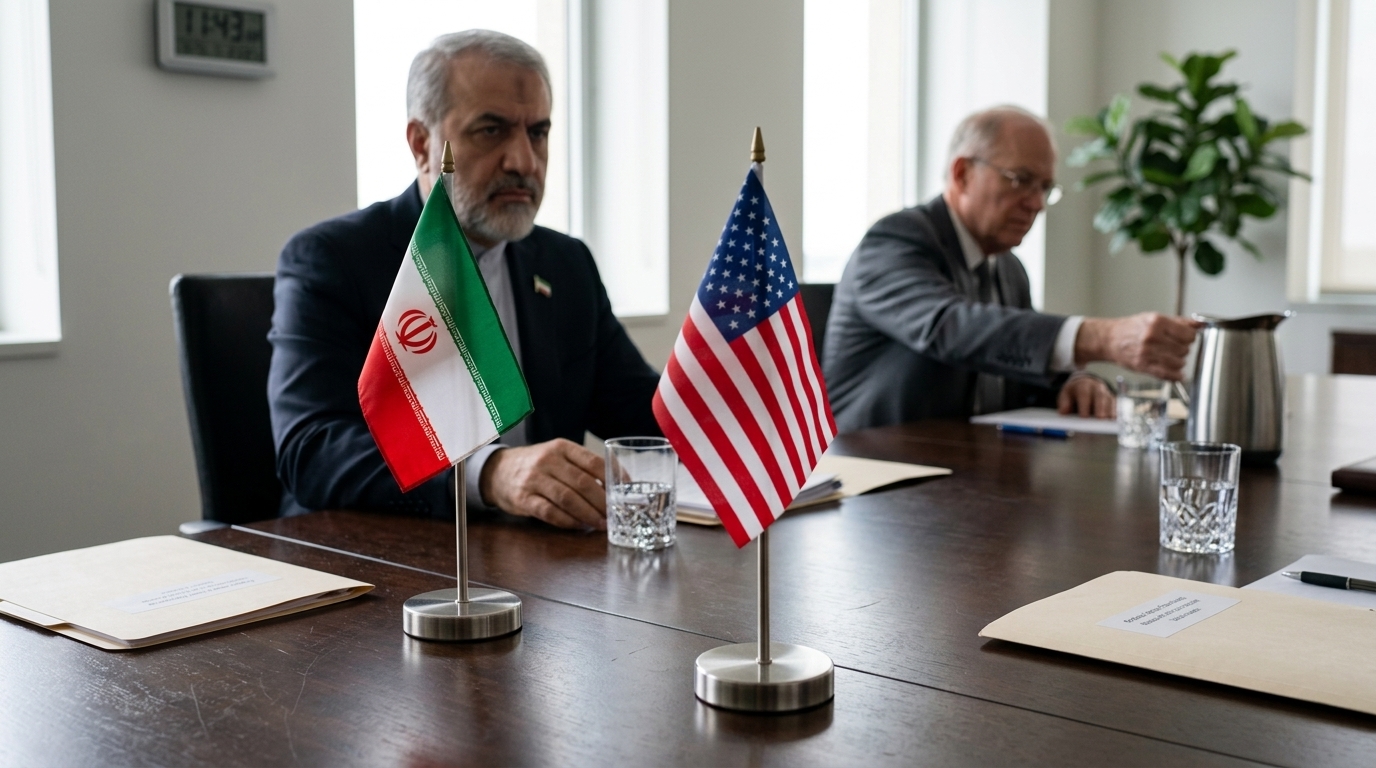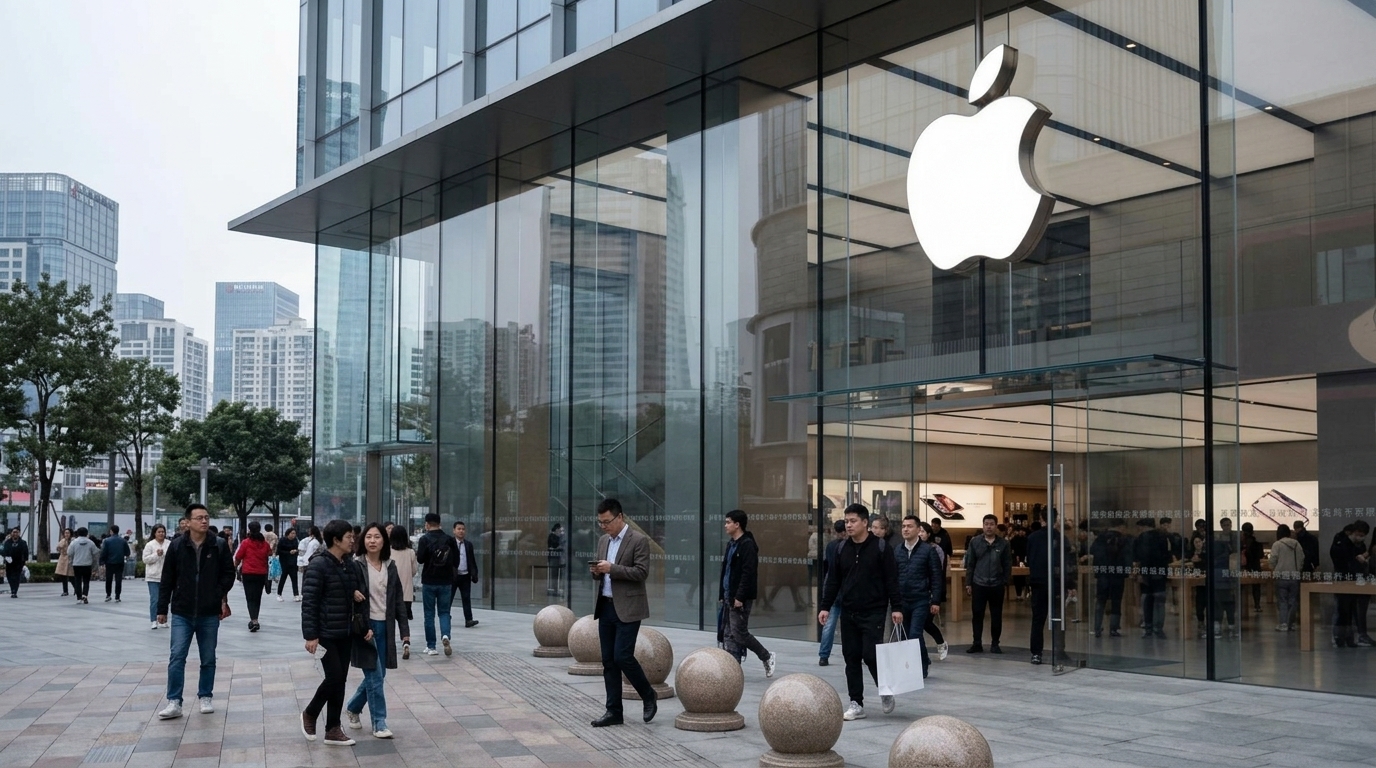
In the intricate chess match of global technological supremacy, Apple appears to be making a move that is sending shivers through the corridors of Washington. The Cupertino giant’s intent to explore the use of memory chips from China’s ChangXin Memory Technologies (CXMT) is not merely a supply chain business decision; it is an act that strikes at the very heart of the economic warfare between the US and China. As we move through 2026, the demand for processing power and memory, fueled by the ubiquity of Artificial Intelligence (AI), has turned semiconductors into the 'new oil' of the global economy.
The CXMT Factor and Apple’s Dilemma
ChangXin Memory Technologies represents the spearhead of China’s push for semiconductor self-sufficiency. Based in Hefei, the company has received billions of dollars in state subsidies, allowing it to offer competitive pricing that traditional players like the American firm Micron or South Korean giants Samsung and SK Hynix struggle to match. For Apple, which traditionally seeks to diversify its suppliers to drive down costs and mitigate risks, CXMT appears to be an attractive partner.
However, the timing of this approach is extremely sensitive. Reports from the Financial Times suggest that Apple has already initiated talks with the US government, seeking to 'gauge' the intentions of regulators before finalizing any agreements. Apple’s concern stems from the possibility of CXMT being added to the US Department of Commerce’s 'Entity List,' which would make the partnership illegal or extremely difficult, as seen previously with Huawei and YMTC.
Washington’s Reaction: National Security vs. Free Trade
In Congress, the news has been met with skepticism, if not outright hostility. Republican and Democratic lawmakers, in a rare moment of consensus, argue that strengthening the Chinese semiconductor industry through American companies undermines US efforts to maintain its technological edge. The argument is straightforward: every dollar flowing to CXMT is a dollar funding Chinese military and technological advancement.
“Apple is playing with fire. You cannot claim to protect user privacy while simultaneously funding companies controlled by the Chinese Communist Party,” stated a senior member of the House Select Committee on China.
The pressure on the Biden administration—and whoever succeeds it—is to impose stricter export and investment controls. Apple, for its part, argues that the chips it intends to use are destined exclusively for devices sold within the Chinese market, a strategy known as 'In China, for China.' However, critics counter that technological convergence makes such a distinction practically impossible in the long run.
The AI Catalyst
Why would Apple risk such a significant political confrontation? The answer lies in 'Apple Intelligence.' The new generation of AI applications integrated into iPhones and Macs requires massive amounts of high-speed DRAM. With global demand outstripping supply, Apple fears that existing suppliers (Micron, Samsung) will be unable to meet its needs or will drive prices to unsustainable levels. CXMT offers a vital pressure-release valve for the supply chain.
Furthermore, China remains Apple’s most important market outside the United States. Utilizing local suppliers is a way for Tim Cook to appease Beijing, which frequently threatens retaliation against American firms when Washington imposes sanctions. It is a perilous balancing act: Apple must satisfy Washington without infuriating Beijing, all while maintaining profit margins in a market that is becoming increasingly nationalistic.
Conclusion: The End of Globalization as We Knew It
The case of Apple and CXMT is the latest example of the 'decoupling' transforming the global economy. The era when tech giants could operate above borders, seeking only maximum efficiency, is gone. Today, every chip carries a geopolitical identity. For Apple, the decision to proceed or not with CXMT will determine not only the cost of the next iPhone but also its relationship with American political leadership for years to come. Technology is no longer neutral; it is the primary battlefield of modern diplomacy.