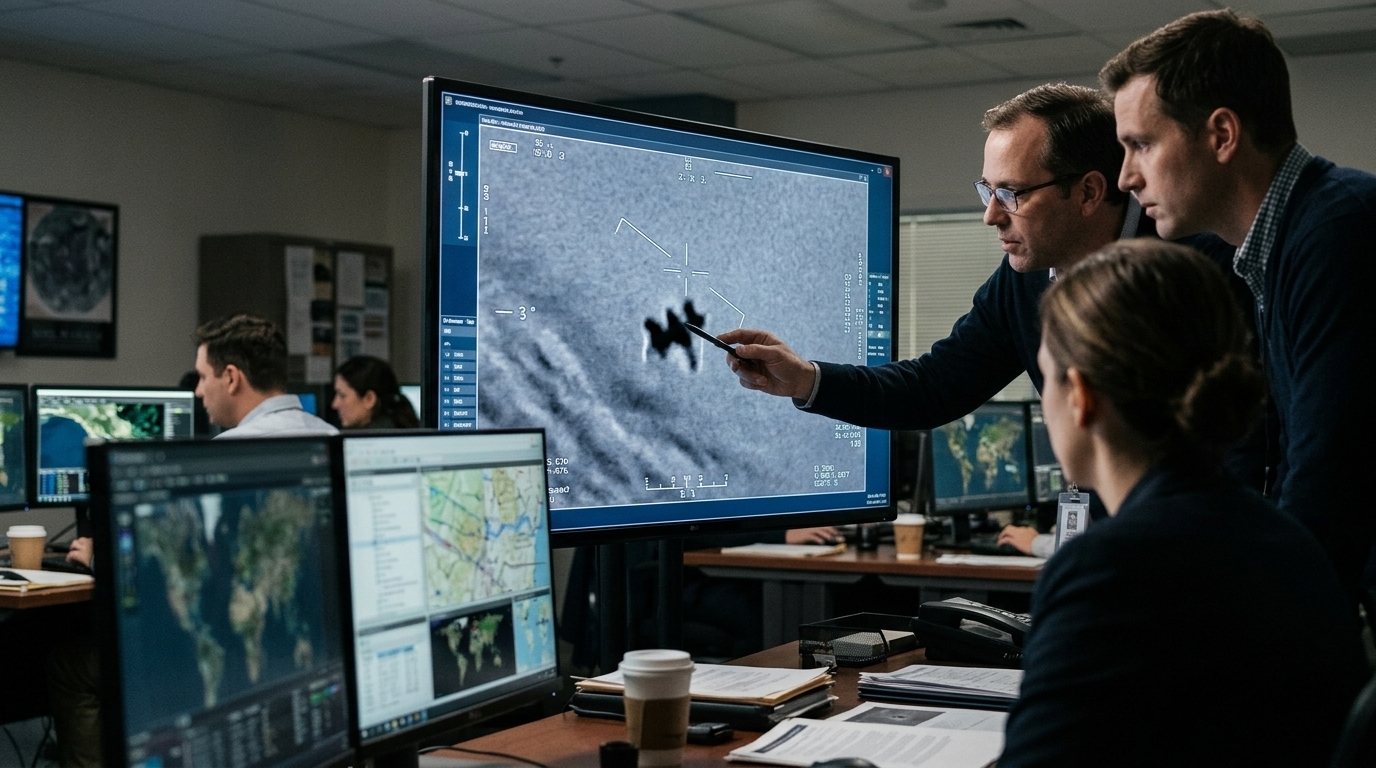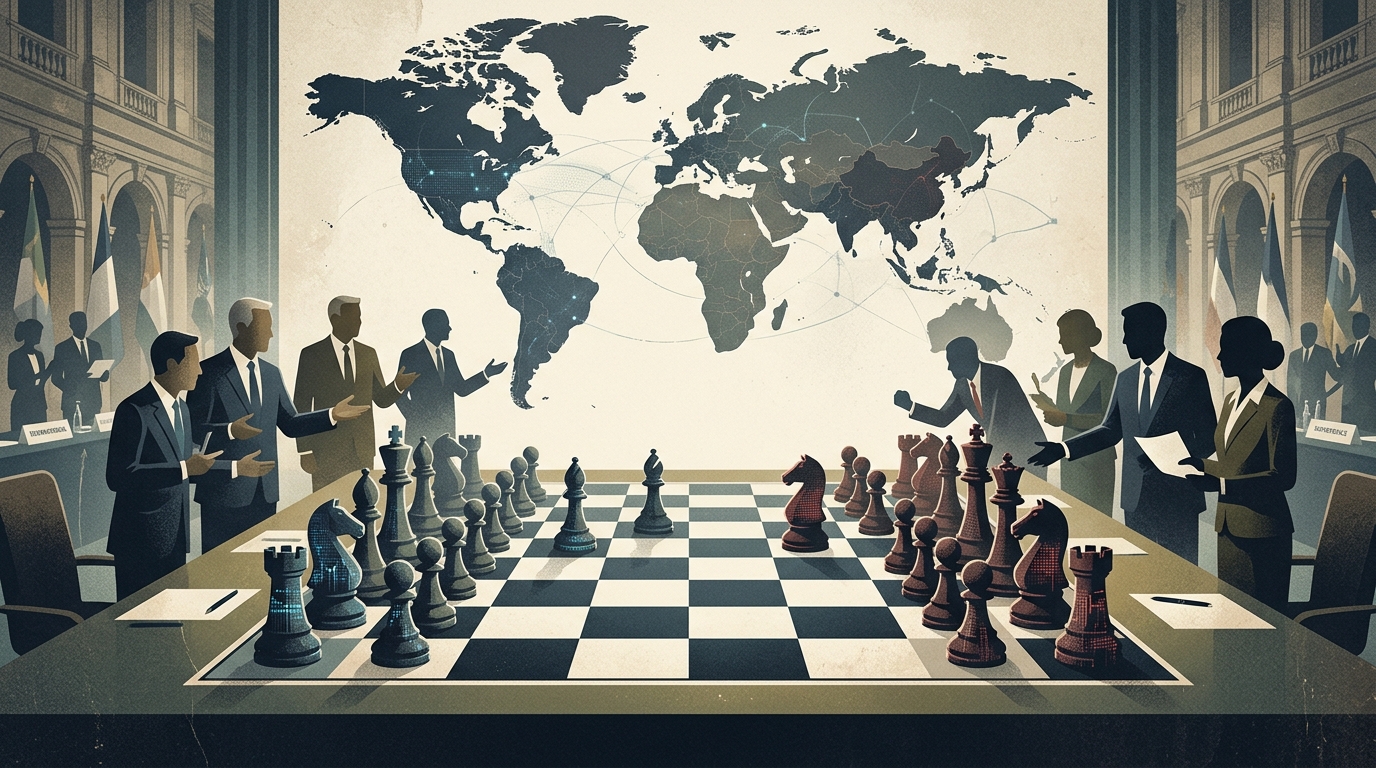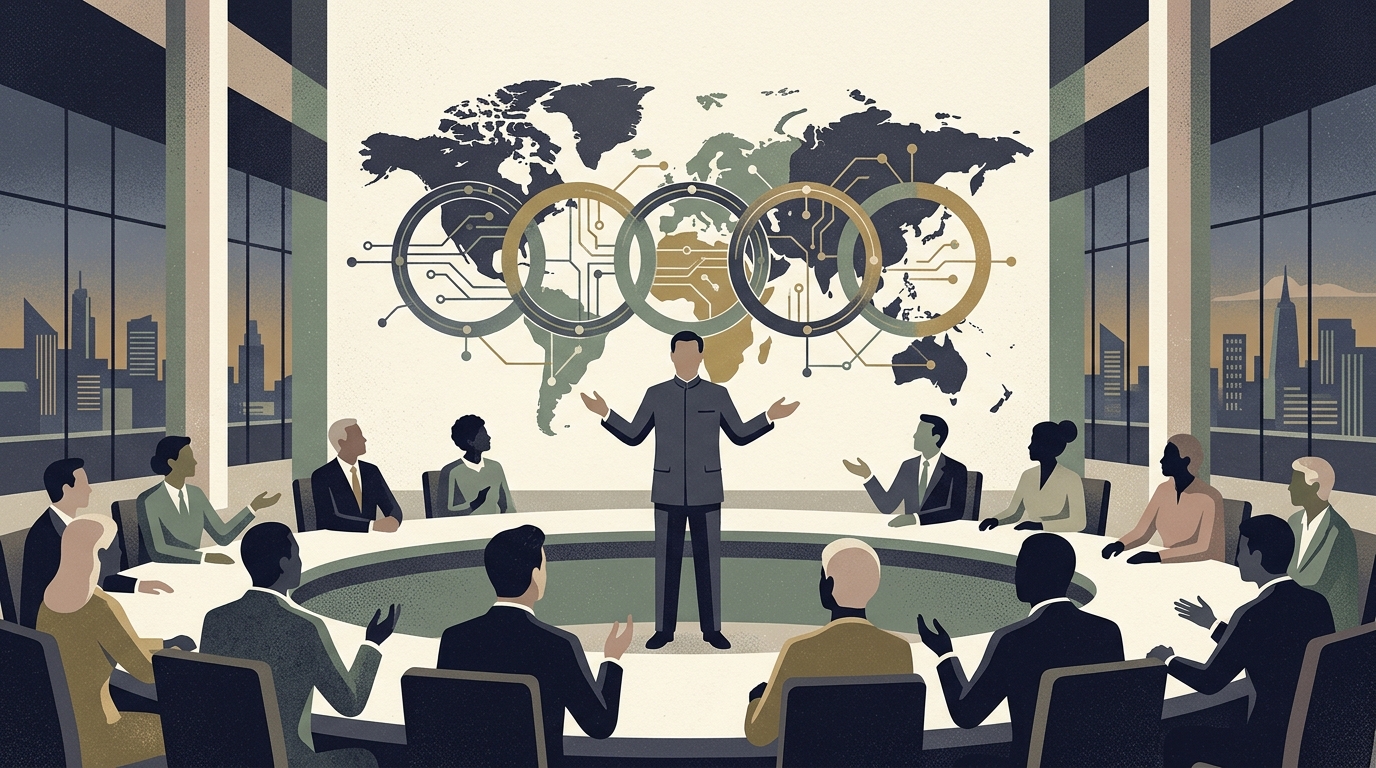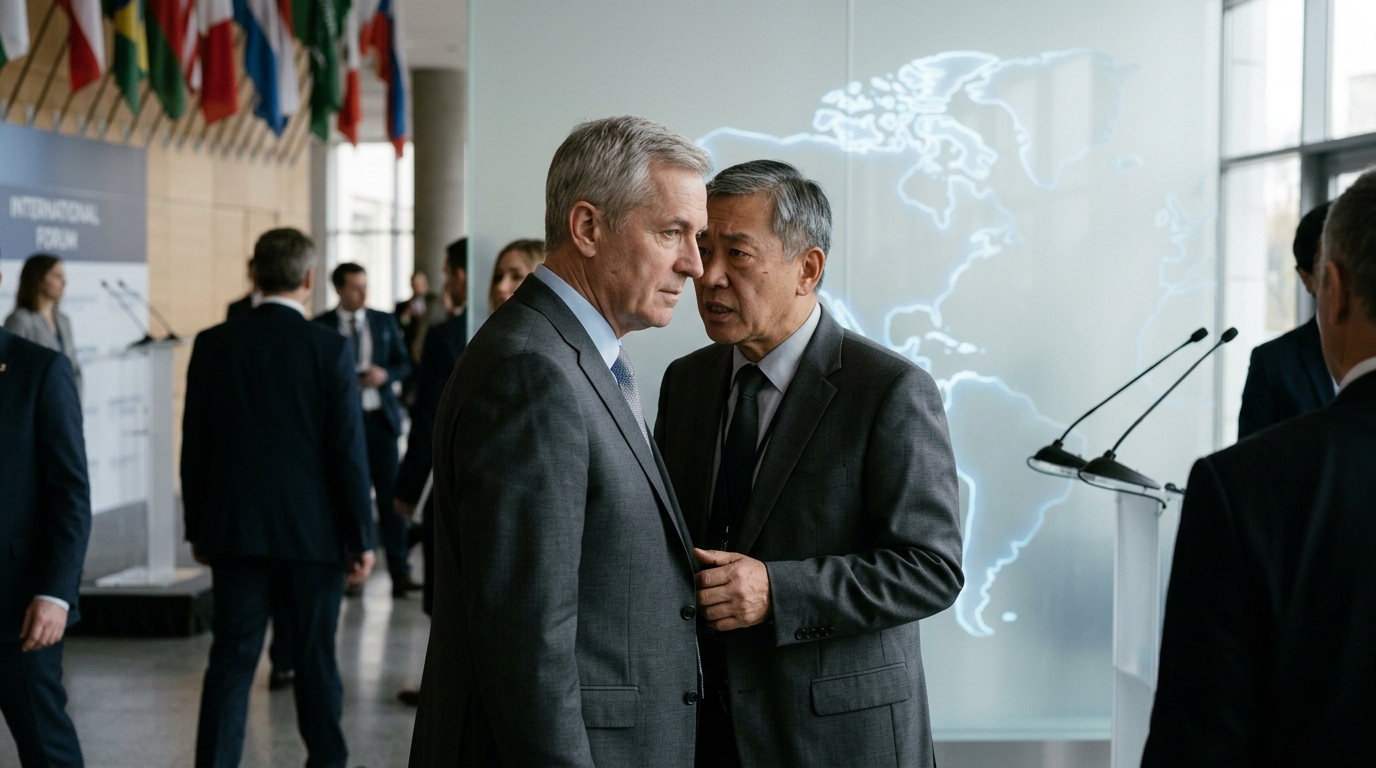
The global AI chessboard is vibrating from a new, serious allegation that brings the fragile nature of intellectual property in the age of Large Language Models (LLMs) to the forefront. Anthropic, the US-based AI safety firm backed by Amazon and Google, has officially accused Alibaba, the Chinese tech titan, of "illicitly extracting" capabilities from its flagship model, Claude. The news, initially reported by Reuters, is not merely a corporate dispute but a critical episode in the evolving technological Cold War between Washington and Beijing.
The Art of Distillation and Breach of Terms
At the heart of the allegation lies the practice of "model distillation." This is a technique where a smaller or less capable model (the "student") is trained using the outputs of a more powerful model (the "teacher"). While distillation is an established scientific method, using the outputs of a competing commercial model to improve another without a license is a flagrant violation of terms of service. Anthropic claims that Alibaba systematically used Claude to "teach" its own models, such as Qwen, how to solve complex problems and mimic Claude's reasoning structure.
This practice allows companies to bypass the massive costs of research and development, essentially "stealing" the fruits of billions of dollars in investment. In Alibaba's case, the accusation is that they used automated systems to scrape millions of data points from Claude's API, creating a training dataset that effectively transferred Anthropic's intelligence into the Chinese ecosystem.
Geopolitical Implications and the US Response
The timing of the complaint is no coincidence. The US government has already imposed strict restrictions on the export of advanced AI chips to China, attempting to stall Beijing's technological progress. If Chinese companies can "extract" the intelligence of American models via the cloud, then hardware restrictions become far less effective. Analysts expect this incident to pressure the US Department of Commerce to implement new "Know Your Customer" (KYC) rules for cloud providers, requiring companies like Microsoft and Amazon to more closely monitor how their models are being used by foreign entities.
For its part, Alibaba denies the allegations, maintaining that its Qwen series models were developed through independent research and legally acquired data. However, doubt remains, as the speed with which Chinese models are closing the gap with their American counterparts has astonished the global community.
The Future of Model Security
The Anthropic-Alibaba case highlights a new challenge: "model cybersecurity." It is no longer enough to protect the source code; the output of the model itself must be protected. AI companies are now developing "digital watermarks" and detection algorithms that can identify if a dataset has originated from their own machines. However, the battle is uneven, as techniques for masking the origin of data are becoming increasingly sophisticated.
"The unauthorized extraction of model weights or capabilities is the digital equivalent of industrial espionage in the 21st century," says an industry analyst.
As we move forward, we should expect several shifts in the industry:
- Anthropic may restrict access to Claude from regions with a high risk of IP theft.
- Alibaba faces the specter of new sanctions that could affect its international cloud operations.
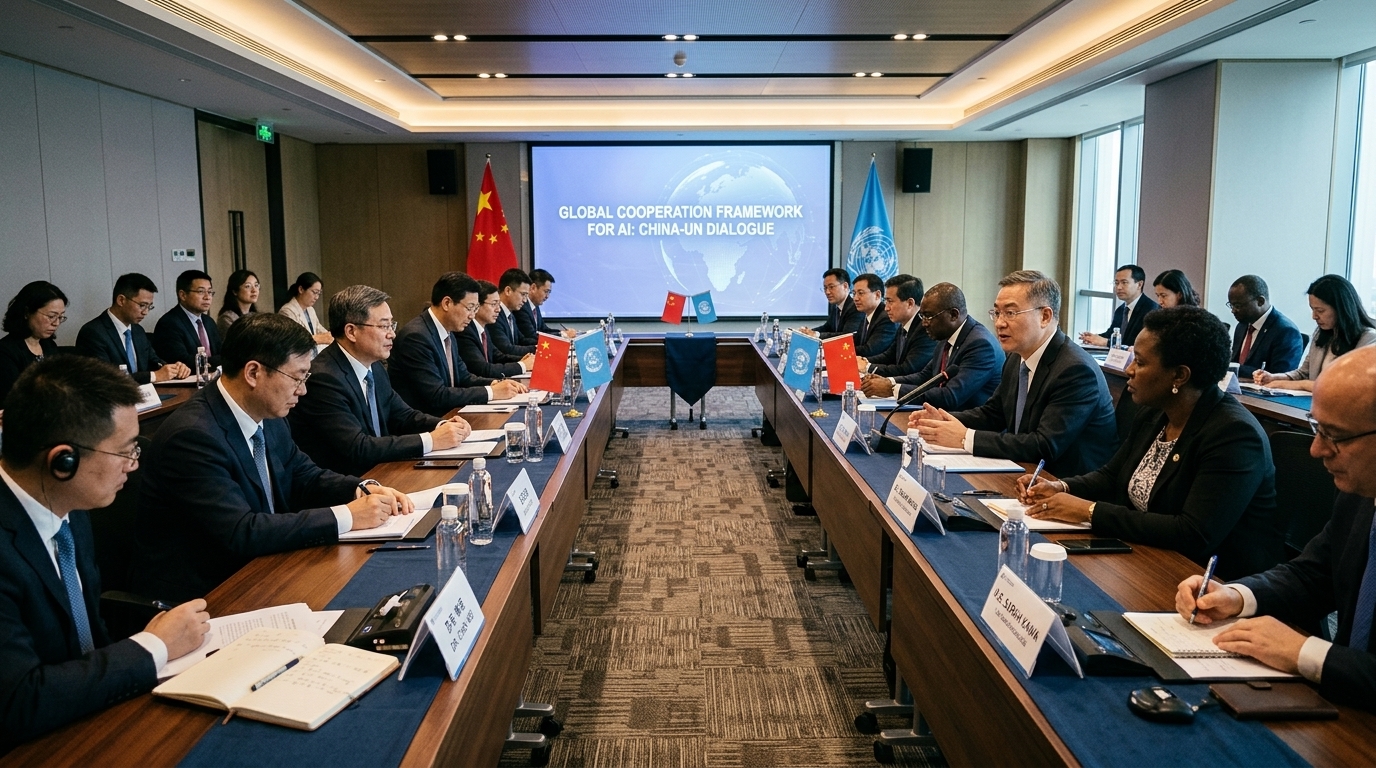
- The AI industry is being called upon to establish a global framework for the ethical use of machine-generated data.
In a world where intelligence is the new oil, the unauthorized "mining" of this intelligence will be the next great field of legal and diplomatic conflict. Anthropic, acting as a guardian of "safe AI," is sending a clear message: innovation cannot be free for those who refuse to play by the rules.