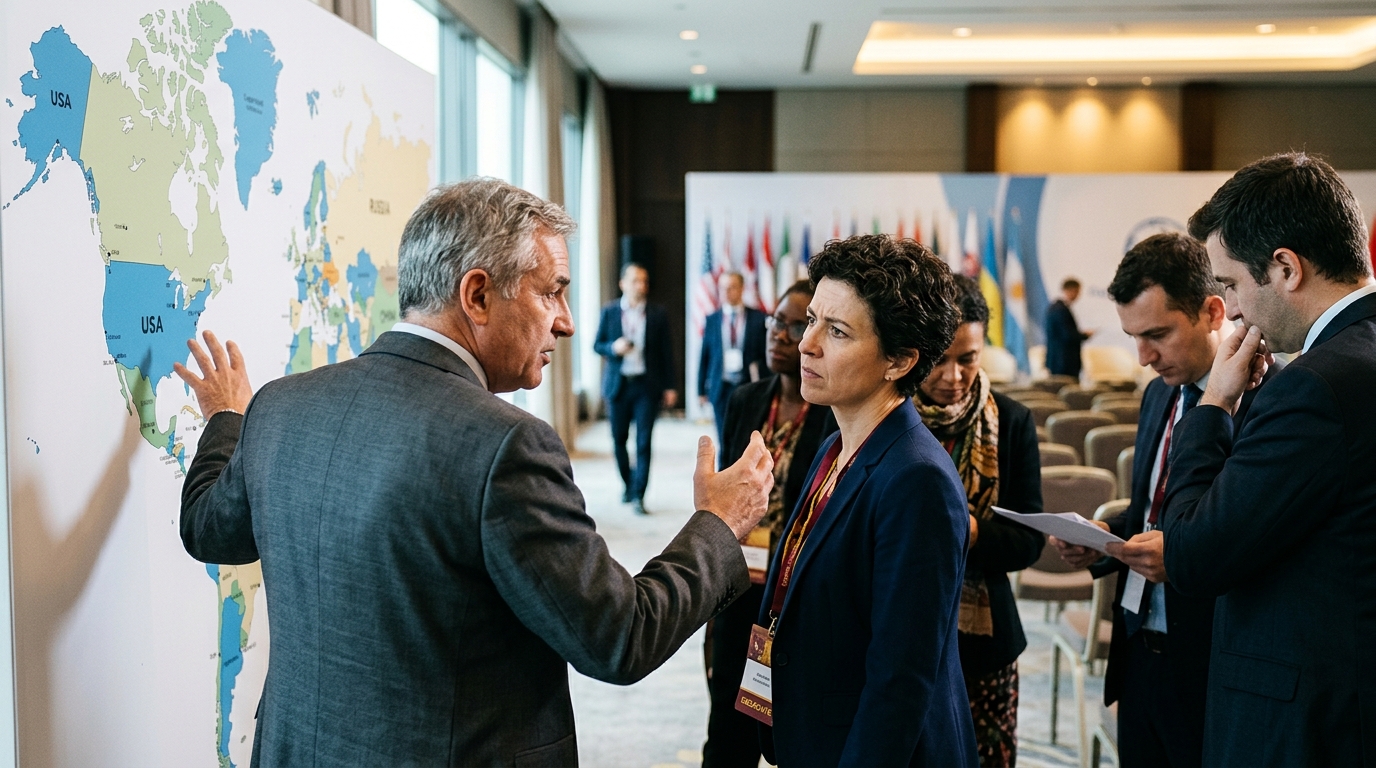
Anthropic’s announcement that it is terminating access to its newest and most powerful AI model, Claude 4, has sent shockwaves through the global tech community. This decision was not voluntary but the result of an unprecedented intervention by the U.S. Department of Commerce, which issued a sweeping directive banning the export or remote access of "frontier" AI models by nations deemed strategic adversaries.
The Shift from Hardware to Software Sanctions
Until recently, the U.S. strategy for limiting the technological rise of its rivals, primarily China, focused on hardware. Restrictions on Nvidia’s GPUs and ASML’s lithography machines were the primary weapons in this economic conflict. However, the new Biden-Harris administration directive (and its subsequent 2026 expansions) shifts the focus to the model weights themselves and inference capabilities.
Anthropic, which has always branded itself as a "safety and responsibility" company, found itself in an unsolvable dilemma. Its new model, reportedly capable of autonomous coding and advanced scientific research, was deemed "dual-use" by U.S. intelligence agencies. This means it could be used for both peaceful purposes and the development of cyberweapons or biological agents.
The Technical Deadlock of Geofencing
The core issue leading to the full shutdown was the inability to guarantee effective "geofencing." Despite Anthropic’s efforts to use advanced identity verification and VPN-blocking systems, Washington ruled that the risks of leakage through third-party countries or "ghost subsidiaries" were unacceptably high.
- Inability to control API usage by intermediate cloud providers.
- Risks from reverse engineering model responses to distill capabilities.
- The potential for training smaller, local models using data generated by Claude 4.
Rather than risking massive fines or even the revocation of its operating license, Anthropic chose the "nuclear option": shutting down the model for all users outside of close U.S. allies, effectively blinding a large portion of the global market until a new regulatory equilibrium is found.
Geopolitical Fallout and the AI Cold War
This move marks the official beginning of a period many analysts call the "Digital Iron Curtain." China, Russia, and other BRICS+ nations have already condemned the decision as "technological apartheid." Beijing’s reaction was immediate, announcing additional subsidies for its own models, such as Baidu’s Ernie Bot, aiming for total autonomy from American software.
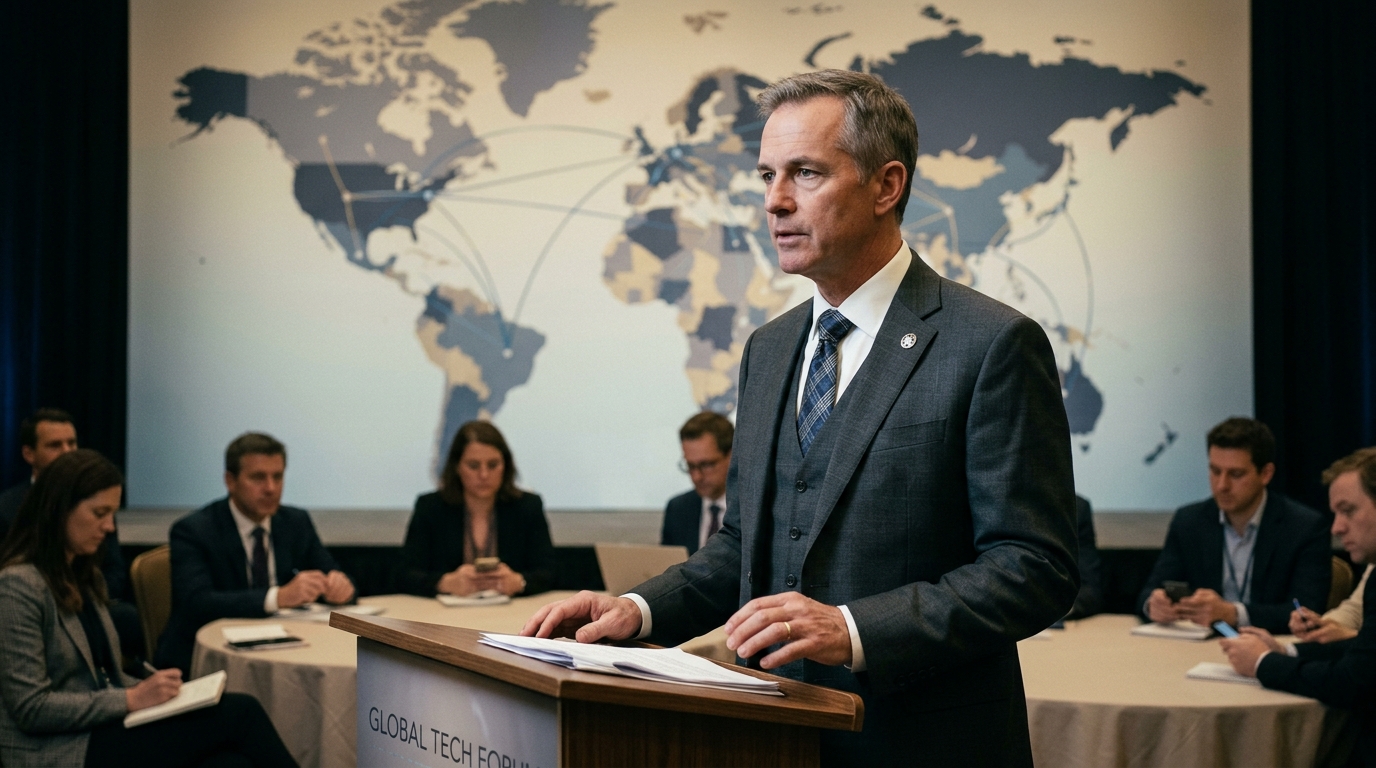
"We are no longer in an era where technology is a global public good. Artificial intelligence is now the ultimate national asset, and Washington is treating it with the same gravity it treated nuclear weapons in the 1950s," says a senior geopolitical analyst at The AI Chronicle.
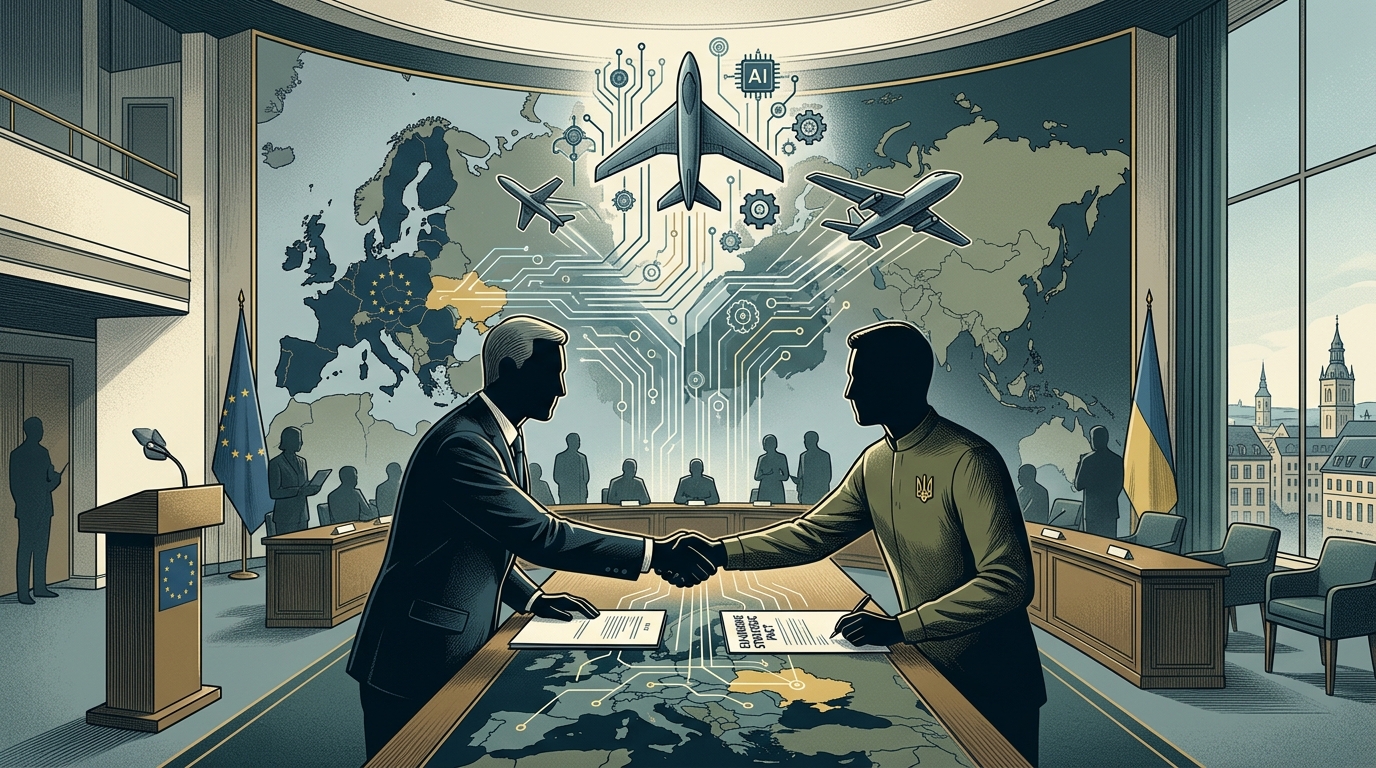
The European Union, on the other hand, finds itself in a precarious position. While a U.S. ally, European businesses that relied on Anthropic’s technology for innovation are suddenly in the dark, fearing that the next ban might touch their own operations if they do not fully comply with American monitoring standards.
The Road Ahead for Anthropic and Silicon Valley
For Anthropic, the financial consequences are immense. Losing access to Asian and Middle Eastern markets translates into billions in lost potential revenue. However, the company seems to be betting on a close partnership with the U.S. government, hoping for preferential contracts with the defense sector and security agencies.
The remaining question is: will OpenAI and Google follow suit? Reports suggest the State Department is already in talks with OpenAI regarding the upcoming GPT-5, setting similar restrictions. If this happens, the dream of a unified, global internet powered by shared intelligence will be officially over, replaced by fragmented "islands" of technology communicating only under strict surveillance.