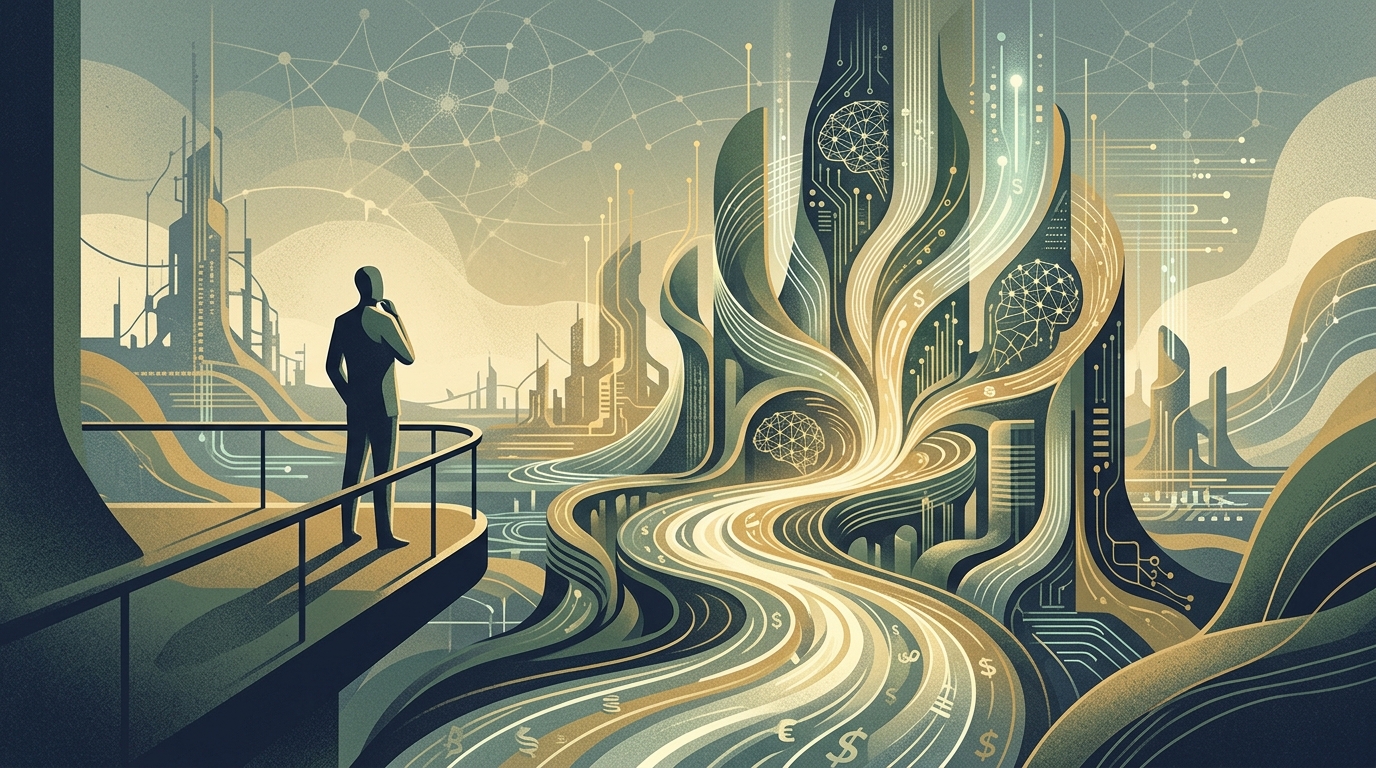
In an era where digital Artificial Intelligence has already begun to reshape intellectual labor, a new revolution is brewing in the physical world. 'Physical AI' is no longer a science fiction trope but an emerging reality that is turning our cities, factories, and homes into a vast staging ground. Tech entrepreneurs, armed with billions in venture capital, are seeking to give 'bodies' to algorithms, creating machines that can perceive, move, and interact with their environment with unprecedented autonomy.
The Convergence of Digital and Physical Realms
The fundamental difference between traditional robotics and Physical AI lies in the capacity for generalization. While industrial robots of previous decades were programmed to perform specific, repetitive motions in controlled environments, the new generation of machines relies on 'foundation models' for action. These models allow robots to learn from observation and experience, much like Large Language Models (LLMs) learned to write and code.
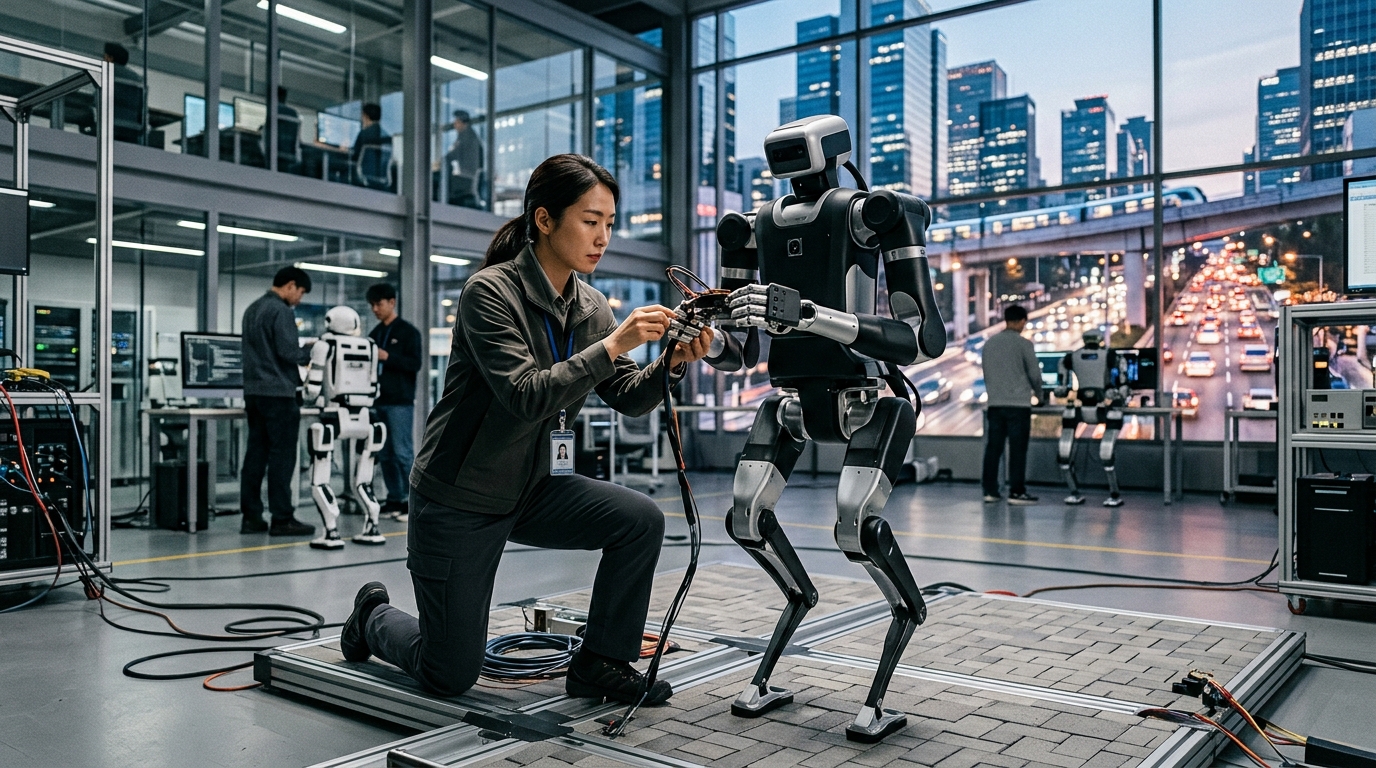
The challenge is immense. The physical world is chaotic, unpredictable, and governed by the unforgiving laws of physics. For a robot to operate safely alongside humans, it must process vast amounts of sensor data in real-time, making split-second decisions. This requires a new architecture of computing power, where processing happens not just in the cloud, but at the 'edge'—directly on the machine's hardware.
The Humanoid as the Final Frontier
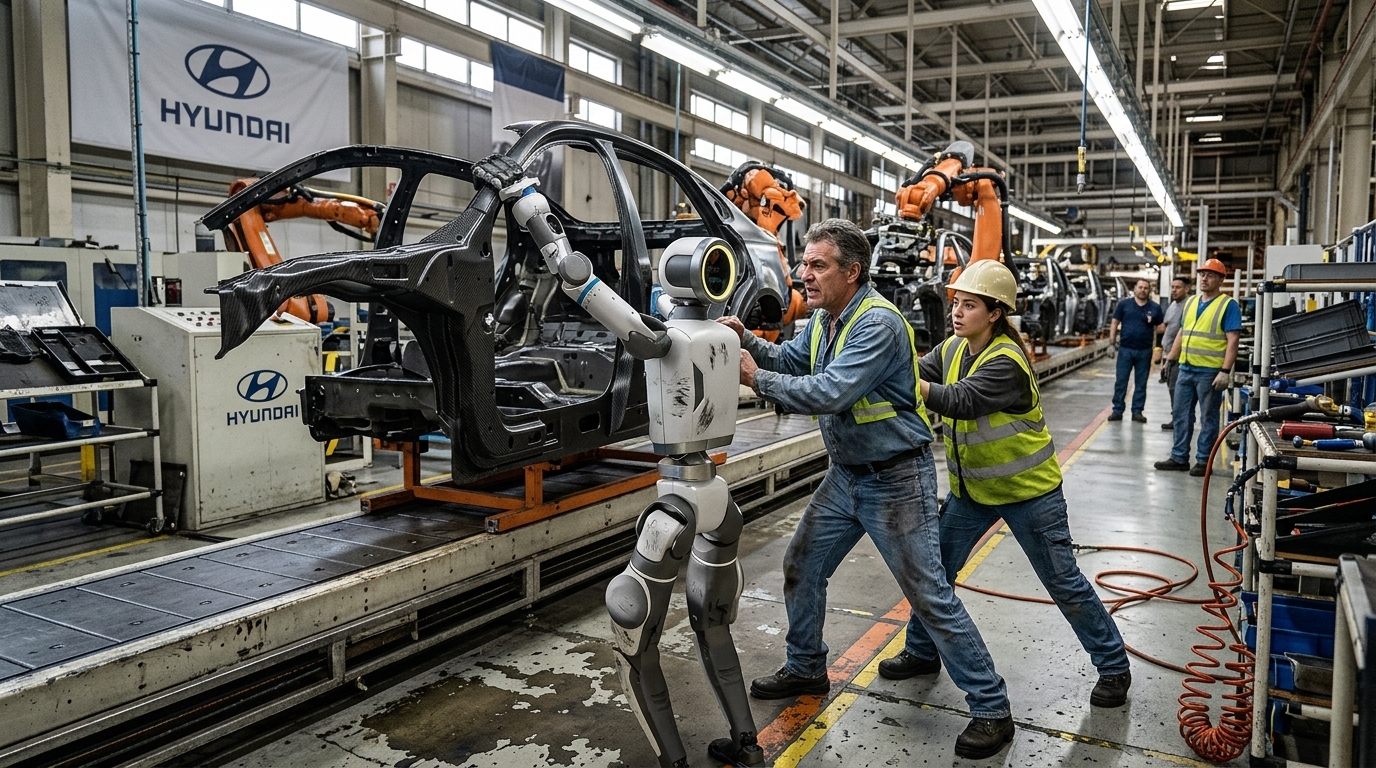
Why are we seeing an explosion in humanoid robots? The answer is simple: our world is built by humans, for humans. Stairs, doors, tools, and workbenches are all designed for the human form. Companies like Figure AI, Tesla with its Optimus program, and Boston Dynamics with the new electric Atlas, are betting that creating a machine that mimics the human form is the shortest path to integrating AI into the economy.
However, Physical AI is not limited to humanoids. It encompasses autonomous vehicles, delivery drones, and smart infrastructure. The critical element is 'embodied cognition'—the idea that intelligence is not something that happens in isolation within a processor, but emerges through the interaction of the body with its environment. This approach is changing everything from logistics to elderly care.
The Geopolitics of Robotics and the Labor Market
The race for dominance in Physical AI has taken on sharp geopolitical tones. The US and China are competing head-to-head to set the standards and control the production of these machines. China, with its massive manufacturing base, is trying to drive down the cost of components, while the US leads in software and AI chips (such as NVIDIA's Project GR00T).
Socially, concerns about job displacement are more acute than ever. If a machine can unload a truck, stock shelves, or clean a hospital, what happens to the millions of workers in these sectors? Proponents of the technology argue that Physical AI will solve the labor shortage problem in aging societies, such as Japan or Europe. However, the transition is expected to be painful and will require a radical rethink of social contracts and education.
Conclusion: Toward a New Symbiosis
Physical AI represents the next great leap in the evolution of our species. It is not just about better tools, but about a new category of entities that will share our space. The success of this endeavor will be judged not only by computing power or movement precision, but by our ability to integrate these machines into society in a way that enhances, rather than undermines, human dignity. All the world's a stage, and its new actors are made of silicon and steel.