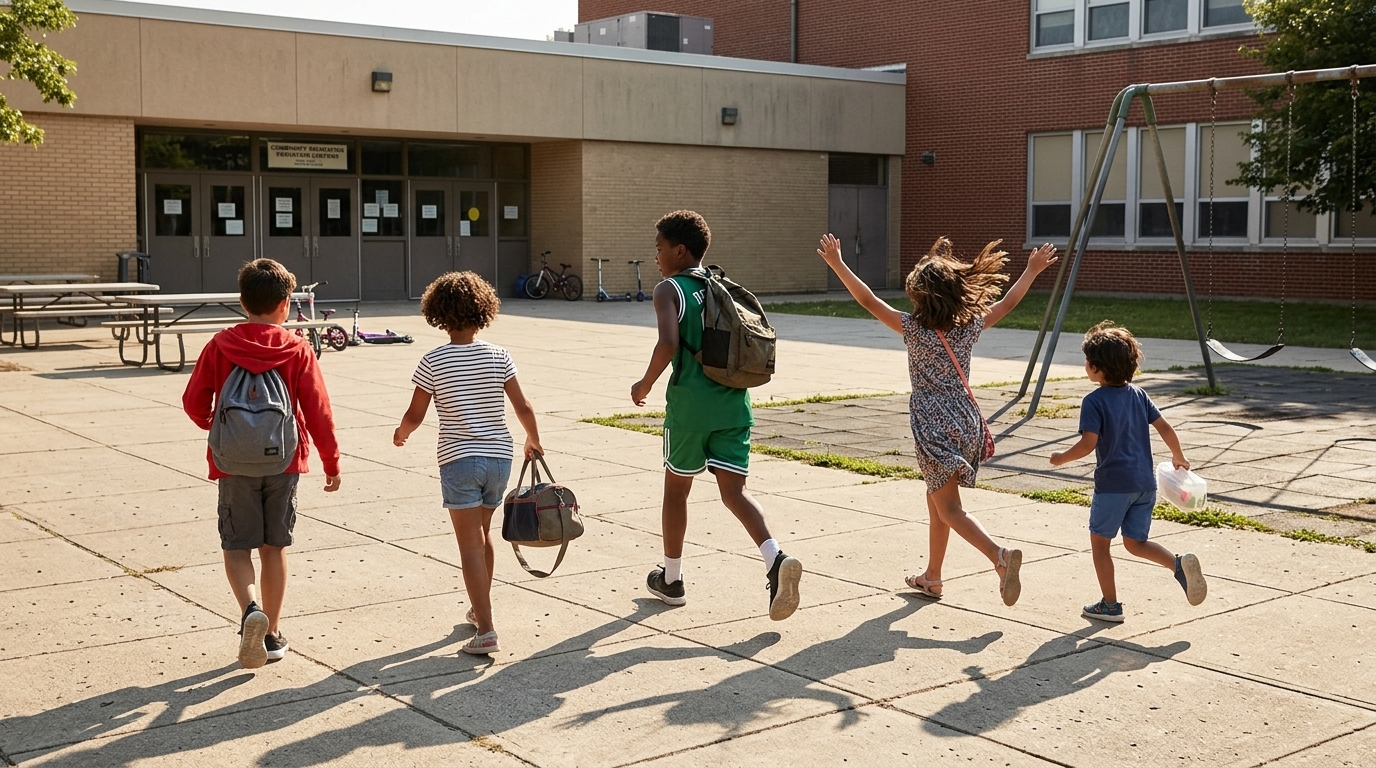
As the July sun cranks up the heat, another form of pressure is simmering within family budgets. The end of the school year in mid-June marks the beginning of an annual marathon for working parents, who must bridge the cavernous gap between school holidays and their own limited annual leave. Summer camps, once viewed as a pleasant luxury or a creative outlet, have transformed into a costly necessity—a true financial burden that consumes a significant portion of household income and dictates the terms of the family's summer break.
The Care Gap and Financial Hemorrhage
The issue is not new, but the proportions it has reached in recent years are alarming. With inflation squeezing essential goods, the cost of private summer programs has skyrocketed. In many cases, a single week at a quality summer camp in urban centers can cost anywhere from €150 to €400 per child. For a family with two children, the cost for a full month can easily exceed the average monthly salary, turning childcare into an unsustainable investment.
The situation is exacerbated by the fraying of traditional support structures. Grandparents, the historical safety net of the Mediterranean family, are not always available or physically able to meet the demands of active modern children. Furthermore, municipal camps, while significantly more affordable, often suffer from chronic underfunding and limited capacity, leading to frantic registration battles that leave thousands of families without a solution.
Lack of Flexibility as a Crisis Accelerator
According to recent analysis, the lack of workplace flexibility is the primary factor inflating this problem. Despite the lessons learned during the pandemic, many corporations are double-downing on rigid Return-to-Office (RTO) mandates, ignoring the unique needs of parents during the summer months. The inability to work remotely or utilize flexible hours forces parents to use camps not for their educational merit, but as a form of "warehousing" to maintain their employment.
This dynamic creates a vicious cycle: parents spend their entire savings on childcare in June and July, drastically reducing the time and capital available for actual family vacations in August. The result is an exhausted workforce that begins the autumn season without the necessary psychological reset, leading to burnout and decreased productivity in the long run.
Social Inequality and the Future of Work
The summer camp crisis also highlights deep-seated social inequalities. Children from affluent families enjoy access to high-end programs featuring robotics, foreign languages, and specialized sports, while children from lower-income households are often relegated to substandard solutions or spend their days isolated at home with screens. This "opportunity gap" during the summer months has long-term implications for a child's educational and social trajectory.
- The need for large-scale state subsidies for summer childcare programs.
- Encouraging businesses to adopt "summer hours" or increased remote work during peak months.
- Implementation of corporate-sponsored creative programs within large organizations.
"Summer for the working parent is not a season of leisure, but a logistical and financial nightmare requiring military-grade precision and significant sacrifice," notes a senior HR consultant.
Conclusion
Addressing the burden of summer camps requires a radical reassessment of the relationship between work and private life. Individual parental effort is no longer enough. A coordinated effort from the state and employers is necessary to ensure that summer remains a period of growth for children rather than a source of chronic stress and financial depletion for parents. While technology and AI can offer solutions in automating tasks to free up time, the ultimate decision to adopt a more human-centric approach remains a political and corporate responsibility.