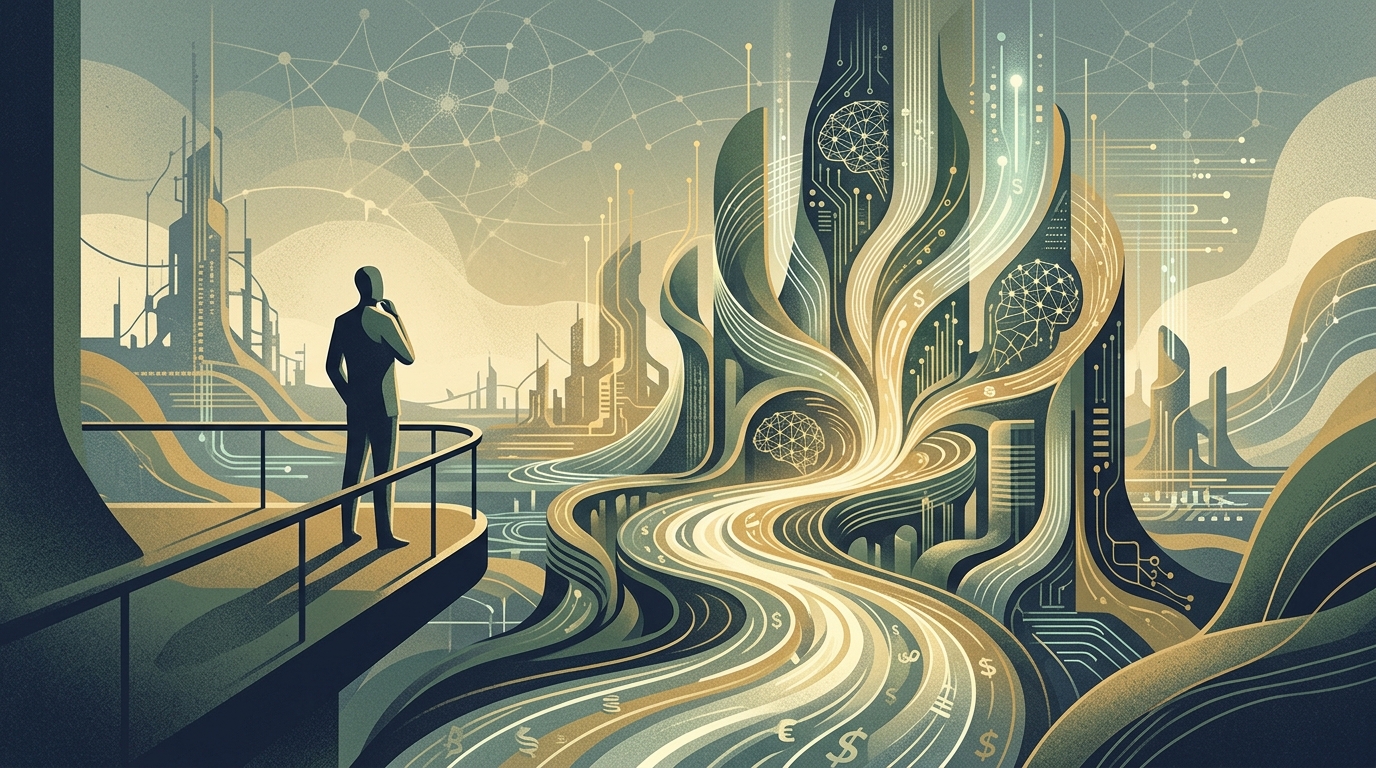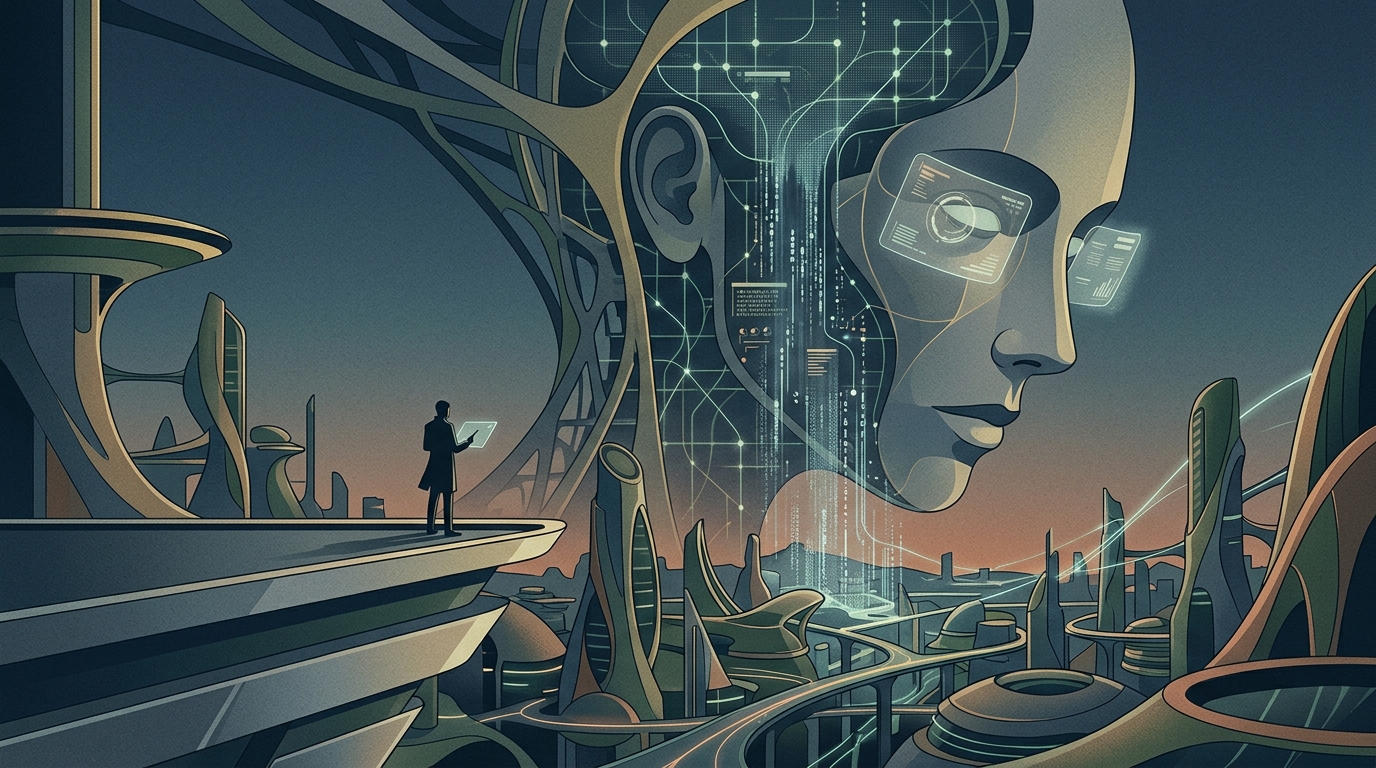
In an era where technological progress is measured by processor speeds and the parameter counts of large language models, Riccardo Pozzo, a distinguished Professor of Philosophy and member of the Pontifical Academy of Social Sciences, reminds us that the stakes are far deeper. His intervention in "Arden - Rixi" is not a mere technophobic outcry, but a sophisticated analysis of how Artificial Intelligence (AI) is redefining our civilization and our very survival.
Pozzo argues that humanity stands at a crossroads similar to that of the Enlightenment, with one crucial difference: today, the danger is not ignorance, but the delegation of our judgment to algorithms. AI, according to him, is not just about labor automation or economic efficiency. It is about the management of knowledge, memory, and ultimately, our capacity to remain sovereign subjects of our own history.
Digital Humanism as an Antidote
A central pillar of Pozzo’s thought is the concept of "Digital Humanism." Instead of treating technology as something alien to the humanities, we must integrate philosophy, history, and ethics into the heart of technological development. Pozzo emphasizes that AI feeds on human cultural heritage—our data consists of the texts, arts, and thoughts of centuries. However, there is a risk that this heritage will "dry up" if it is converted into mere statistical probabilities.
The Italian thinker proposes an approach where the human remains "in the loop," not just as a supervisor, but as the one who provides meaning to the process. Without human context, the information produced by AI lacks wisdom (phronesis). Our survival depends on whether we can maintain this distinction between data processing and true understanding.
The Politics of AI and Sovereignty
Beyond the philosophical level, Pozzo touches upon harsh geopolitical realities. The concentration of AI power within a few multinational corporations or authoritarian states poses a threat to democracy. The "survival" he refers to is not only biological but also political. If decisions regarding justice, health, and education are made by opaque algorithms (black boxes), then the very concept of the citizen collapses.
- The need for algorithmic transparency as a fundamental human right.
- The protection of cultural specificities against algorithmic homogenization.
- The restoration of the humanities as an essential complement to computer science.
Pozzo views Europe as the only global player capable of establishing an ethical framework, as attempted with the AI Act. However, he warns that legislation alone is insufficient unless accompanied by a profound education that teaches younger generations how to think critically in the face of machines.
The Existential Stake: Memory and Oblivion
Perhaps the most unsettling aspect of Pozzo’s analysis is the impact of AI on human memory. As we rely increasingly on digital assistants, we risk losing the capacity for recollection and synthesis, which are the foundations of our identity. The "survival of humanity" is inextricably linked to the preservation of our collective unconscious and historical consciousness.
"Artificial Intelligence is a mirror. If we do not like what we see, it is not the mirror's fault, but the face reflected in it. We must ensure that this face remains human," he notes poignantly.
In conclusion, Riccardo Pozzo calls for intellectual vigilance. Technology is not destiny, but a choice. Our survival will not be determined by whether we build smarter machines, but by whether we remain wise enough to guide them toward the common good.