For over two decades, the standard advice for any young person seeking a stable and lucrative career was simple: "learn to code." The dominance of STEM (Science, Technology, Engineering, and Mathematics) was viewed as the ultimate shield against economic volatility and automation. However, Peter Thiel, the controversial yet often prescient co-founder of PayPal and Palantir, is challenging this long-standing dogma. In recent remarks, Thiel argues that Artificial Intelligence (AI) poses a far greater threat to "technical" roles than to "creative" thinkers.
The Inversion of the Skill Hierarchy
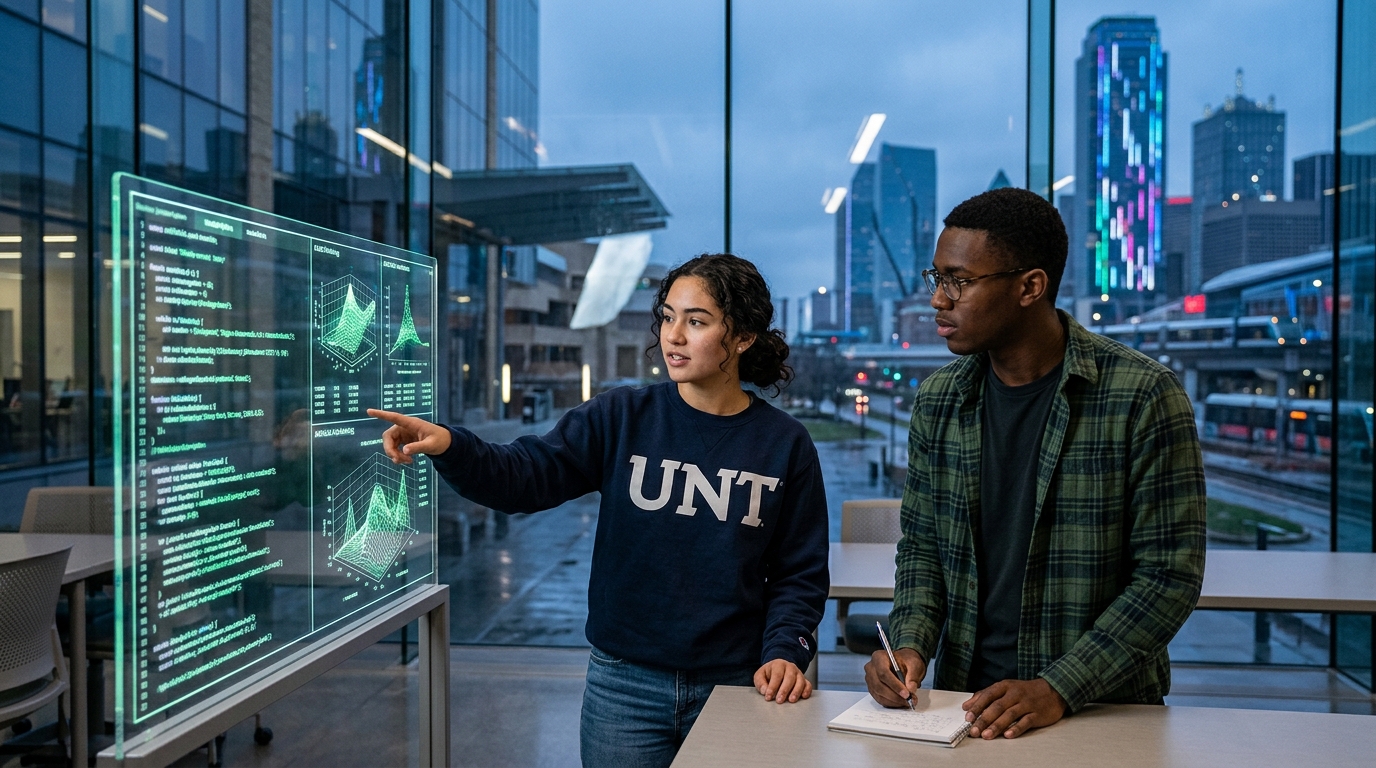
Thiel’s core thesis rests on the inherent nature of Large Language Models (LLMs). Traditionally, we assumed that creativity, literature, and philosophy were the "soft" targets for machine takeover, while mathematics and rigorous coding were the impregnable fortresses of human intellect. Reality has proven to be the exact opposite. AI is exceptionally proficient at generating code, solving complex equations, and performing data analysis—tasks that are fundamentally grounded in logic and structured rules.
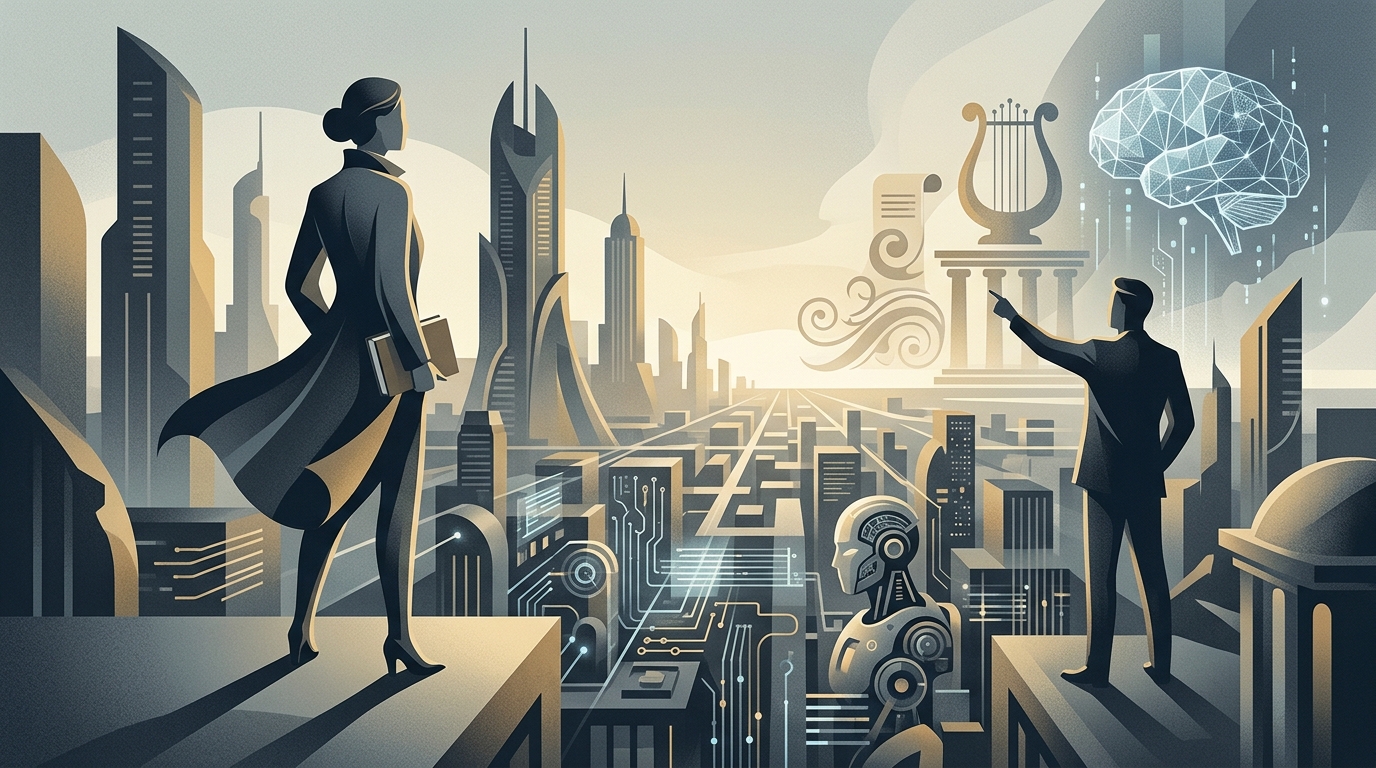
"What AI is going to do is devalue the skills we thought were the most valuable," Thiel notes. According to him, the ability to write clean code or perform statistical modeling is rapidly becoming a low-value commodity, as machines can execute these tasks faster and at near-zero marginal cost. Conversely, the capacity for synthesis, critical thinking, and storytelling—skills traditionally nurtured in the humanities—retains a uniquely human signature that AI struggles to replicate with genuine depth and intent.
The Rise of the Storyteller: LinkedIn’s Data
Thiel’s assertions are not merely theoretical musings. A recent report from LinkedIn backs this shift in the labor market. Job postings mentioning "storytelling" have doubled over the past year. Companies are no longer just looking for someone to build a database; they are seeking individuals who can explain the "why" behind the data, craft a narrative around a product, and communicate with empathy and cultural nuance.
This trend signals a resurgence of "verbal" skills. In the era of Generative AI, the interface between human and machine is language itself. The ability to articulate precise, complex, and creative instructions (prompts) requires a profound grasp of language and the structure of thought, rather than a mastery of Python or C++. As analysts point out, we are witnessing a "revenge of the liberal arts," where contextual understanding trumps technical execution.
Educational and Societal Implications
If Thiel’s prediction holds true, our educational systems face a massive reckoning. For decades, funding and prestige have flowed toward computer science and engineering departments, while the humanities were dismissed as a "luxury" or a path to underemployment. Now, the scales are tipping. Critical text analysis, historical context, and ethical philosophy are becoming essential survival tools in an economy where technical labor is automated.
However, there is a counter-argument. Many tech leaders argue that AI won't replace programmers but will instead transform them into "system architects." The danger, however, lies in the entry-level roles. If 80% of a junior developer's work can be handled by a bot, the "ladder" into the STEM workforce collapses. This creates an experience vacuum that could lead to a new labor crisis: a world where a few elite experts are indispensable, but the mass of mid-level technical staff finds itself redundant.
- AI excels at logic-based tasks, making technical roles vulnerable.
- Humanities-based skills like synthesis and storytelling are seeing a market resurgence.
- The "interface" of the future is natural language, not code.
- Education must pivot from rote technical training to high-level creative thinking.
"AI is bad at math but good at words? No, AI is great at math, which is exactly why mathematicians are at risk. Words possess an ambiguity that is the final fortress of human uniqueness."
In conclusion, Thiel’s warning serves as a wake-up call. The obsession with narrow technical specialization at the expense of a broad, classical education may prove to be the strategic blunder of our era. In a world flooded with algorithmic output, the ability to remain distinctly "human"—with all the creativity and complexity that entails—might just be the most marketable skill of all.