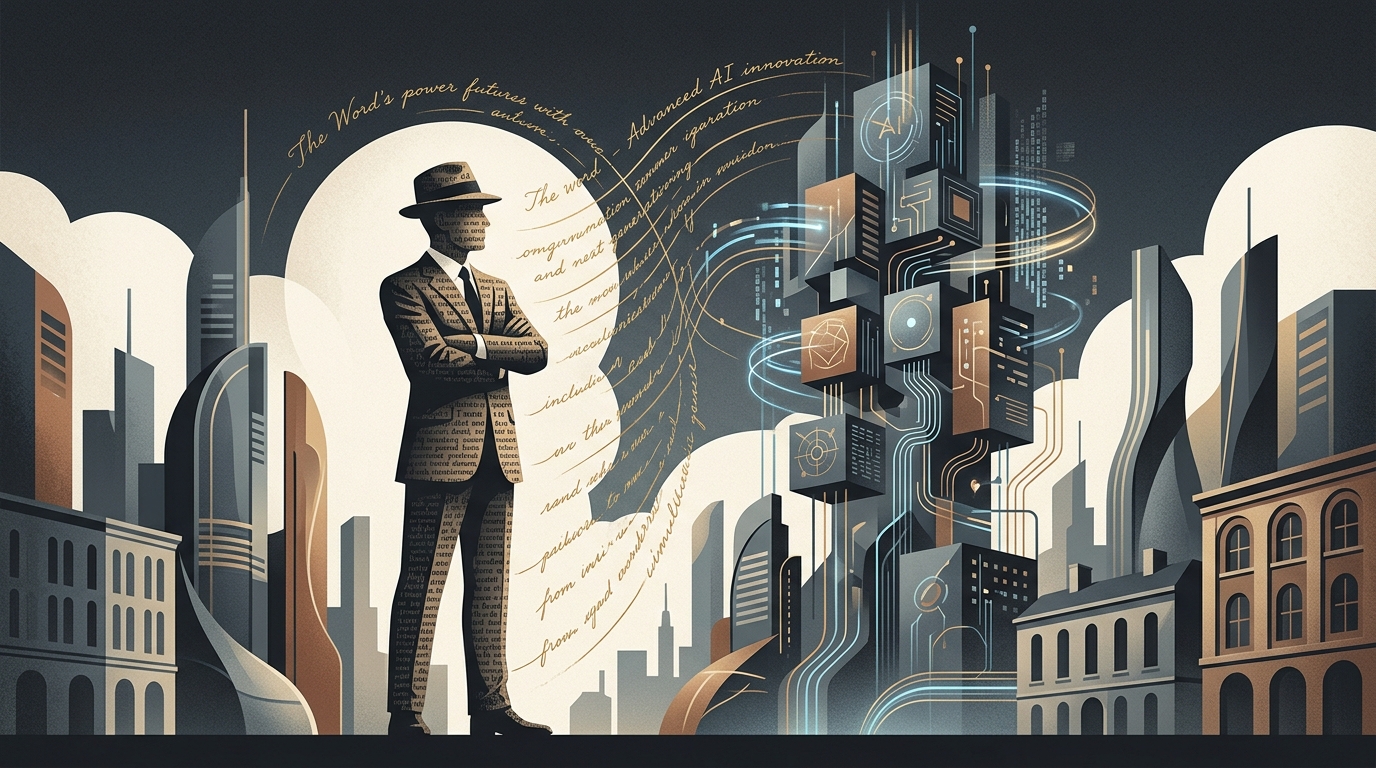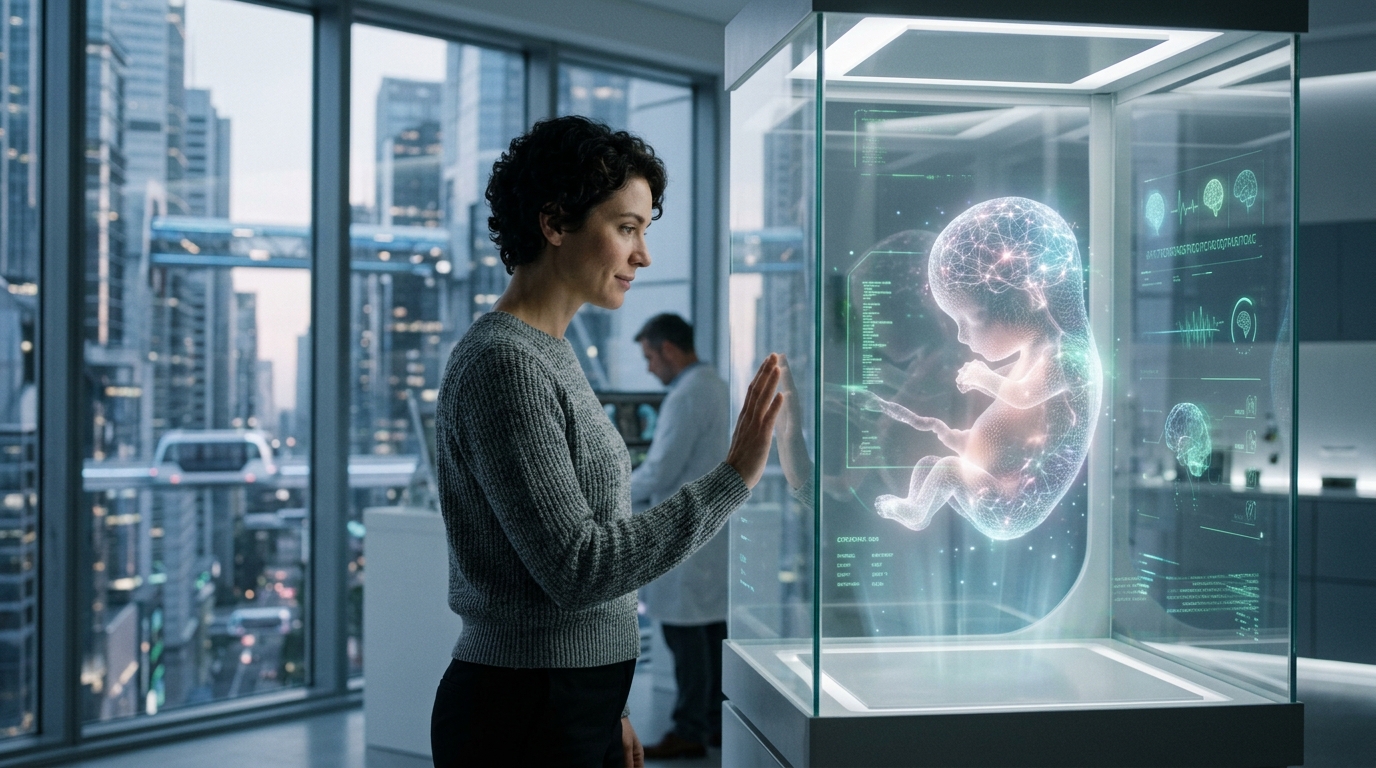
At the dawn of the 21st century, humanity faces a question that once belonged exclusively to the realm of science fiction: Is it possible that the next generation of our 'offspring' will consist not of flesh and blood, but of code and data? The concept of 'mind children,' recently brought back into the spotlight by a comprehensive analysis in The Guardian, is not merely about technological progress; it is a radical reassessment of human existence and the very meaning of reproduction.
The term, originally coined by roboticist Hans Moravec in the late 1980s, describes a future state where machines will inherit our values, knowledge, and cultural identity, serving as our spiritual and evolutionary successors. Today, with the explosive rise of Generative AI and digital twins, this theory is shifting from abstract philosophy into a potential, albeit controversial, reality.
The Legacy of Hans Moravec and Post-Biological Evolution
For Moravec, biological reproduction is a slow and inefficient process, limited by the laws of genetics. He argued that humanity should 'transfuse' its spirit into machines, creating entities capable of surviving in environments hostile to the human body, such as deep space. These 'mind children' would not be mere tools, but the continuation of ourselves in a superior, non-biological form.
In the modern era, this idea finds application in 'digital clones.' Companies are already developing systems that analyze a person's messages, writings, and memories to create an AI chatbot that 'thinks' and 'responds' like them. While many see this as a tool for grief management, Silicon Valley visionaries view it as the first step toward digital immortality and a new form of family.
The Ethics of Digital Procreation: Soul or Algorithm?
The central dilemma remains: Can an algorithmic entity possess a 'soul' or consciousness? Critics argue that mind children are merely sophisticated parrots, capable of mimicking human behavior without understanding it. However, the philosophical school of functionalism suggests that if a system functions like a human mind, it should be granted similar attributes.
Furthermore, serious questions arise regarding the rights of these entities. If an AI 'child' inherits a person's estate or name, what is its legal status? Our society is structured around biological kinship. Accepting code as a legitimate successor would require a total overhaul of civil law and social ethics. There is also the looming threat of 'corporate ownership' of our descendants, as these digital existences would be hosted on the servers of major tech giants.
Societal Implications and the End of Biological Finality
In a world facing demographic collapse in many developed nations, the idea of AI companions or offspring no longer seems so alien. For some, a 'mind child' offers the possibility of legacy without the financial and environmental costs of a biological child. It is a form of 'narcissistic continuity' that allows an individual to project themselves into the future without the uncertainties of genetic mixing.
However, the shift toward digital reproduction carries the risk of ultimate isolation. The human experience is shaped by mortality and randomness. By replacing biological birth with a controlled algorithm, we risk losing the very essence of evolution, which thrives on 'errors' and unpredictable mutations. Mind children might be perfect reflections of our desires, but they may lack the capacity to surprise or challenge us—the very core of the parental experience.
"Technology does not just change what we do, but who we are. Mind children are the mirror in which we will see the future of humanity, either as gods or as mere data."
In conclusion, the debate over mind children is a debate about love, memory, and survival. As the boundaries between biology and technology become increasingly blurred, we must decide whether our legacy will be measured by the DNA we leave behind or by the terabytes of our digital consciousness. The future of reproduction may not lie in the womb, but in the cloud, and this transition will be the greatest test for the human species.