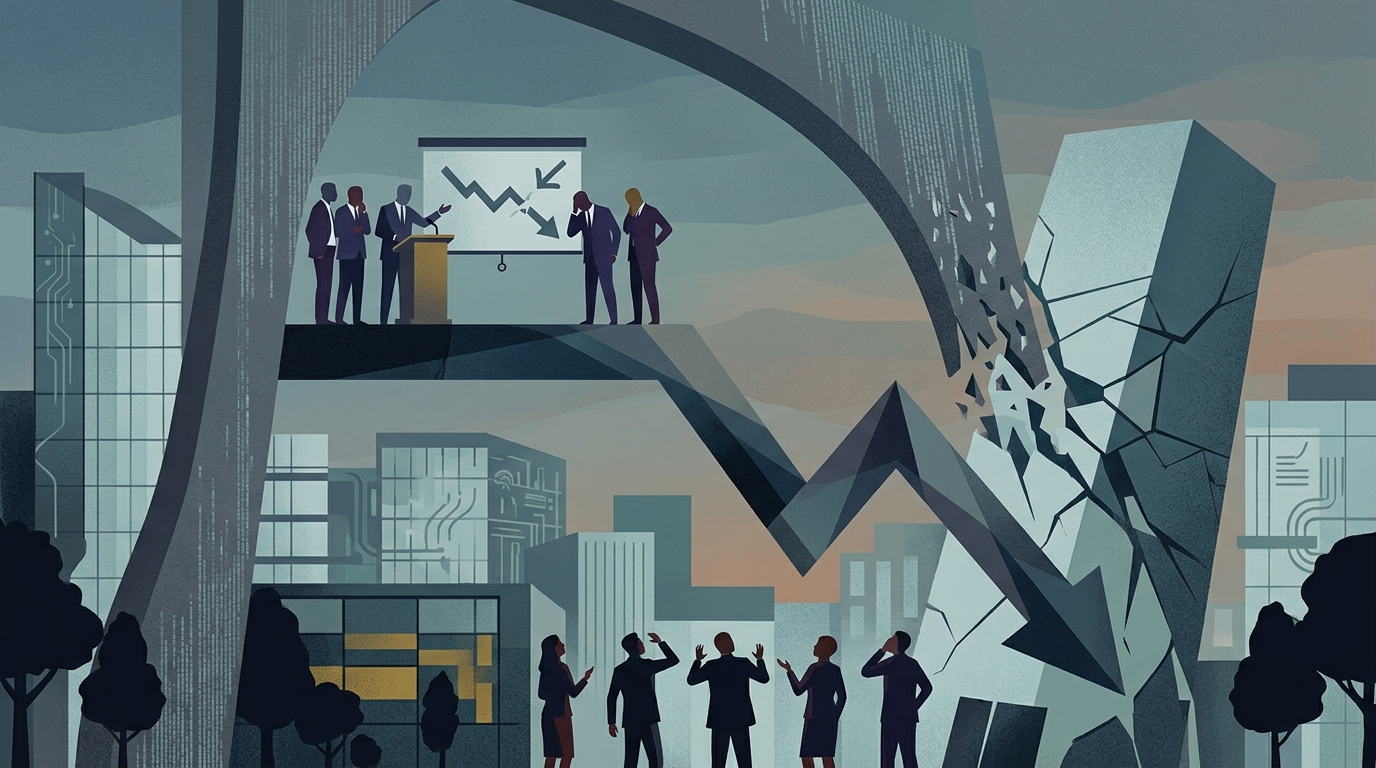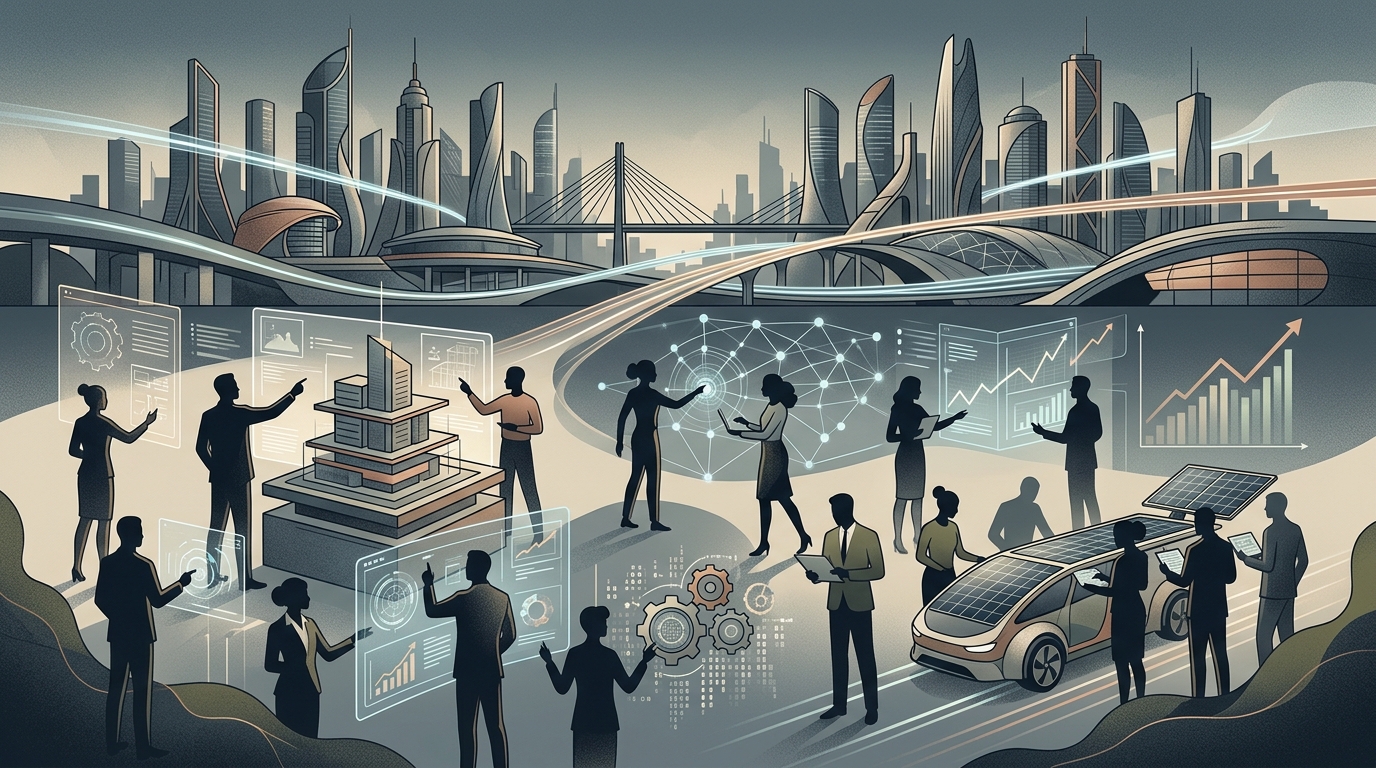
In an era where global public opinion watches the rise of Artificial Intelligence (AI) with bated breath, fearing an imminent labor market apocalypse, Jeff Bezos offers a radically different and provocatively optimistic perspective. The founder of Amazon and one of the architects of the modern digital economy argues that AI will not lead to the disappearance of jobs; instead, it will exacerbate the labor shortage already plaguing developed economies.
Productivity as a Demand Multiplier
Bezos's argument is rooted in a classic economic principle often overlooked during periods of technological transition: productivity gains reduce the cost of services and products, which in turn skyrockets demand. According to Bezos, AI acts as an "amplifier" of human capability. When a worker can produce ten times more output in the same amount of time, the market is not simply satisfied with the existing level of production; rather, businesses and consumers seek even more services, creating new needs that require additional human oversight and creativity.
"Every time we make something more efficient, we end up using more of it," Bezos has stated in recent appearances. This phenomenon, known in economics as Jevons Paradox, suggests that technological progress that increases the efficiency with which a resource is used tends to increase the rate of consumption of that resource. In this case, the "resource" is human labor, which will become more valuable as it combines with AI tools.
The Demographic Issue and the Technological Solution
A critical factor reinforcing Bezos's position is the demographic crisis hitting the West and East Asia. With aging populations and declining birth rates, the pool of available workers is shrinking. In this context, AI is not coming to "steal" jobs but to fill the void left by demographic contraction. For Amazon, this is not theory but daily reality. The company employs hundreds of thousands of robots in its warehouses, yet it continues to hire hundreds of thousands of people worldwide.
- Automation takes over repetitive and physically taxing tasks.
- Humans move into management, maintenance, and decision-making roles.
- Reduced operating costs allow the company to expand into new markets, creating new job categories.
Bezos argues that history is repeating itself. From the mechanization of agriculture to the advent of personal computers, every major technological wave initially caused fear of mass unemployment, only to eventually lead to the creation of professions that were previously unimaginable. Who could have envisioned the job of a data analyst or a social media manager in the 1950s?
The Challenge of Transition
Despite his optimism, Bezos does not ignore the difficulties. The transition to an AI-enhanced economy will require a radical retraining of the workforce. The problem will not be a lack of work, but a skills gap. Workers who do not have access to learning tools risk being left behind, not because AI replaced them, but because they cannot collaborate with it.
"Artificial Intelligence is not going to replace humans. But humans who use Artificial Intelligence will replace those who do not."
In conclusion, Bezos's perspective invites us to see AI not as a competitor, but as the necessary crutch for an aging humanity that constantly seeks a higher standard of living. If his prediction holds true, the great challenge of the coming decades will not be fighting unemployment, but finding ways to produce enough "smart" hands and minds to feed the relentless engine of global demand.