Greece stands at a critical crossroads. While demographic indicators sound the alarm for a shrinking active population, a new economic reality is emerging from the ashes of traditional models. The so-called "Silver Economy" is no longer a theoretical term in European Commission papers, but a vibrant market promising to transform longevity into a national asset. With Greece ranking among the most aged countries in the EU, the need for innovation in serving people over 50 and 65 has become imperative.
The Demographic Challenge as a Business Opportunity
For decades, population aging was treated exclusively as a fiscal burden: increased spending on pensions and healthcare. However, in 2026, the perspective is shifting radically. People in their third and fourth ages are no longer a passive social group, but a dynamic consumer base with disposable income, time, and needs that demand specialized solutions. According to recent studies, the Silver Economy in Europe is expected to contribute over €5.7 trillion to the continent's GDP by 2025-2026.
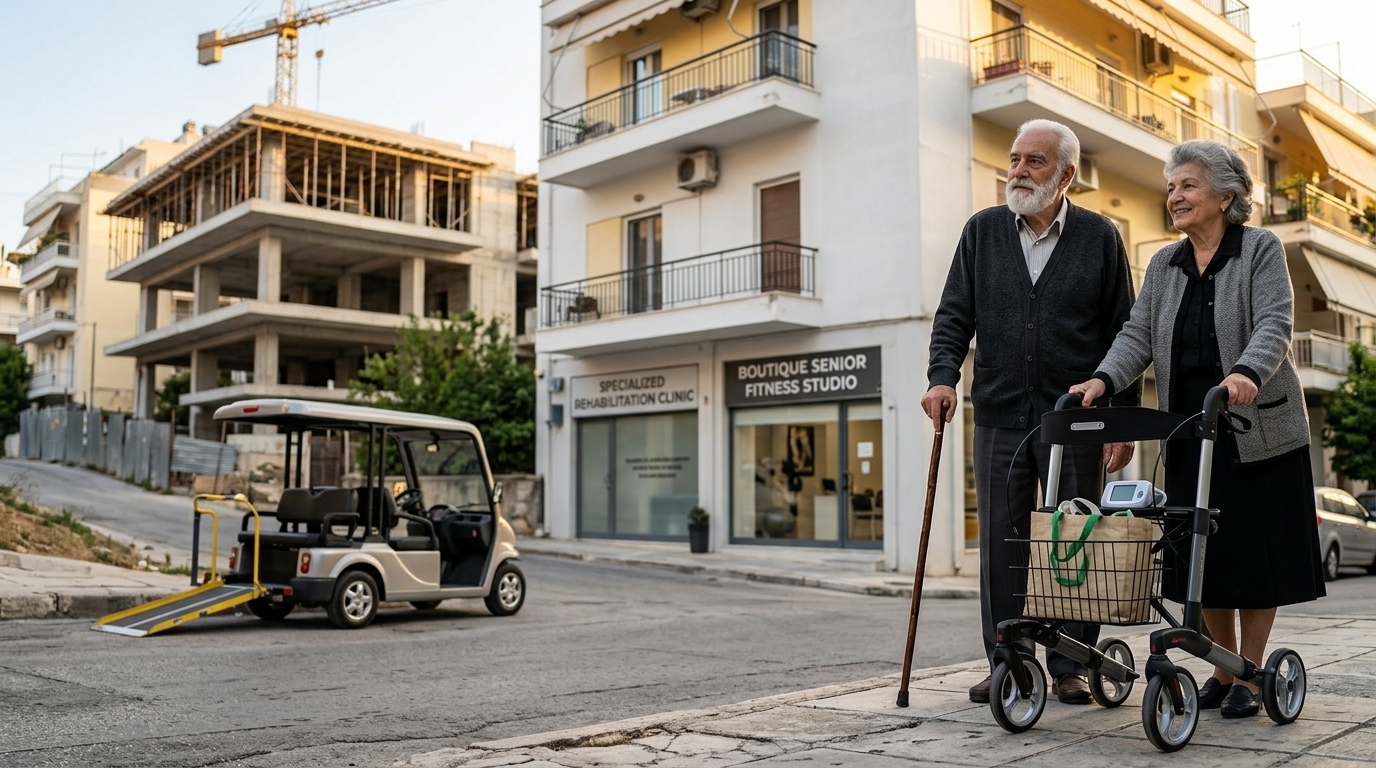
In Greece, the sectors directly affected are tourism, healthcare, technology, and real estate. Our country possesses the ideal climate and geographical position to become the "Florida of Europe." This is not just about attracting retirees from Northern Europe, but also about developing domestic infrastructure that allows Greek seniors to live with dignity and autonomy.
Technology and AI at the Service of Longevity
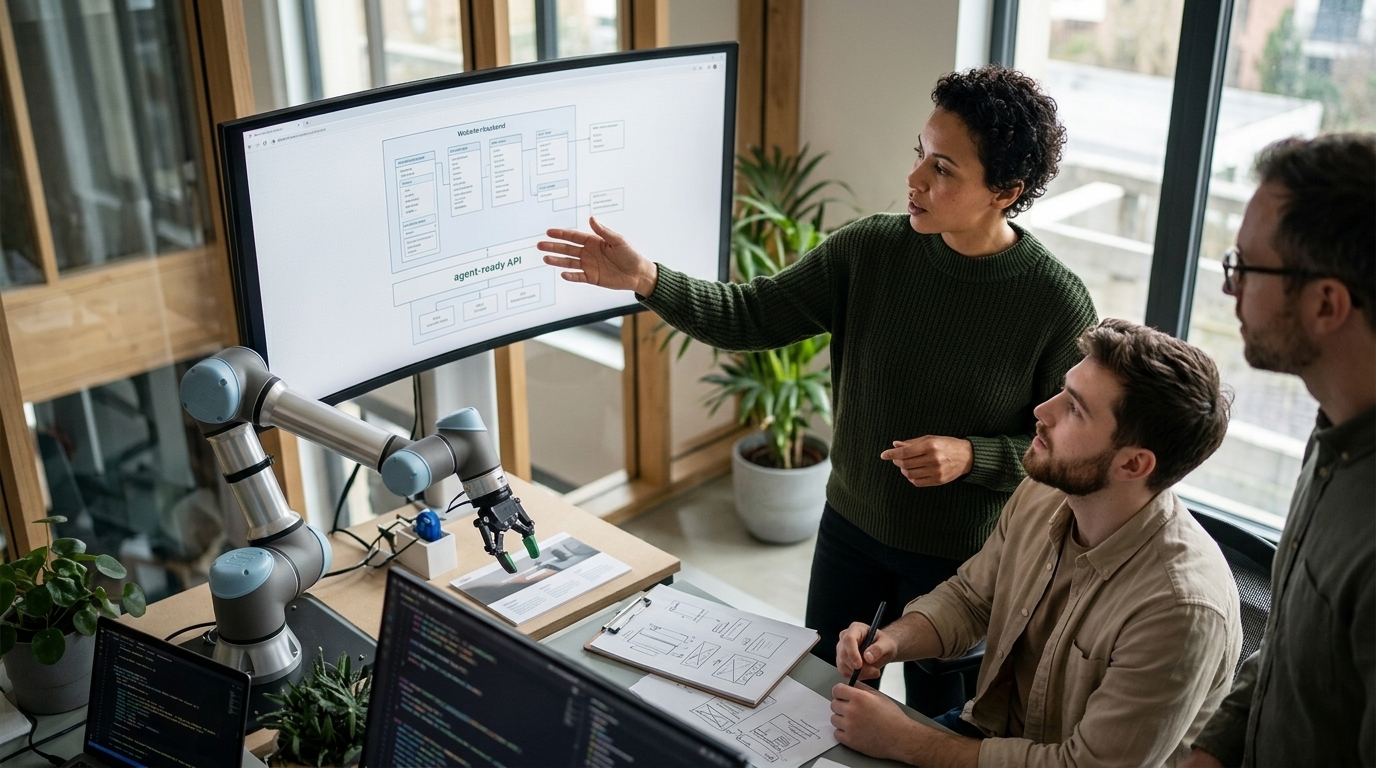
This is where technology plays a decisive role. Artificial Intelligence (AI) and the Internet of Things (IoT) are transforming the daily lives of the elderly. From smart homes that detect falls and automatically alert authorities, to wearables that monitor vital signs in real-time and adjust medication via telemedicine. Greece, with an ecosystem of startups focusing on HealthTech, has the opportunity to export expertise.
- Telemedicine: Greece's geographical peculiarity with hundreds of islands makes telemedicine not a luxury, but a necessity.
- Ambient Assisted Living (AAL): Systems that allow independent living at home, reducing pressure on public hospitals.
- Personalized Nutrition: Using AI to create dietary plans that prevent degenerative diseases.
Innovation isn't just about software. It's also about hardware, such as robotic exoskeletons for mobility or social robots that combat loneliness—one of the greatest scourges of modern times for the elderly.
Senior Tourism and the Real Estate Market
Medical tourism and wellness tourism are the next big bets. Greece can offer comprehensive long-stay packages during the winter months to European retirees seeking a mild climate and quality health services. This requires the creation of "Silver Villages"—model settlements with integrated medical services, cultural activities, and accessibility.
"The Silver Economy is not a market for the elderly; it is a market for the future of us all. Investing in longevity is an investment in social cohesion and economic resilience," market analysts state.
The development of this market also requires a shift in the financial sector. New insurance products, reverse mortgage programs, and investment schemes focusing on long-term care are beginning to appear in the Greek market, offering tools for managing the wealth of the elderly.
Challenges and the Future
Despite the prospects, challenges remain. The digital divide is the most significant. If the elderly are not trained in using new technologies, the Silver Economy will remain a privilege of the few. Furthermore, a state strategy is required to link entrepreneurship with social welfare. Greece has the potential to lead, provided it realizes that aging is not the end of the road, but the beginning of a new, silver era of growth.